
💊 Do not rely solely on online content for diagnosis or treatment.
📜 Information here is provided “as is” without any warranties.
Have you ever felt tired, foggy, or just “off” for no clear reason? It might be something simpler than you think. Building healthy hydration habits for daily life can transform how you feel throughout the day. We often underestimate just how much water affects our energy, focus, and overall performance. The good news is that staying properly hydrated doesn’t require complicated strategies. With a few easy tweaks to your routine, you’ll notice the difference quickly.
- Why Hydration Matters More Than You Realize
- Start Your Morning Right
- Hydration Habits for Daily Life
- Timing Your Hydration Around Exercise
- Hydration Timing Guide
- Recognize the Signs of Dehydration Early
- Does Water Temperature Matter?
- Common Hydration Mistakes to Avoid
- The Bottom Line
- My Experience & Insights
- Building a Solution That Actually Helps
- What the Research Really Shows
- Lessons from Real Users
- Making It Practical
- Daily Hydration Calculator
- Frequently Asked Questions
Why Hydration Matters More Than You Realize
Water makes up about 60% of your body weight. Every cell, tissue, and organ depends on it to work properly. When you’re well-hydrated, your body can regulate temperature, deliver nutrients to cells, keep joints lubricated, and prevent infections. Beyond the basics, proper hydration also improves sleep quality, cognition, and mood.
Here’s what’s surprising: even mild dehydration—just losing 1-2% of your body’s water—can mess with your concentration, memory, and reaction time. Monica Auslander Moreno, MS, RDN, a registered dietitian and nutrition consultant, explains that drinking water first thing in the morning rehydrates you from a night of breathing and sweating, and it sets you “a good 15 to 20% into your daily fluid goal.” That early start can make a real difference.
How Much Water Do You Actually Need?
The classic advice is “eight glasses a day,” but that’s a bit oversimplified. Experts recommend about 15.5 cups (3.7 liters) daily for men and 11.5 cups (2.7 liters) for women. Keep in mind that roughly 20% of your daily fluid comes from food, so you don’t have to drink it all. Your actual needs vary based on your activity level, climate, and overall health.
Research from the University of Aberdeen suggests that most people need between 1.5 and 1.8 liters per day—less than the old “eight glasses” rule. The key is listening to your body and adjusting based on how you feel and what you’re doing.
Start Your Morning Right
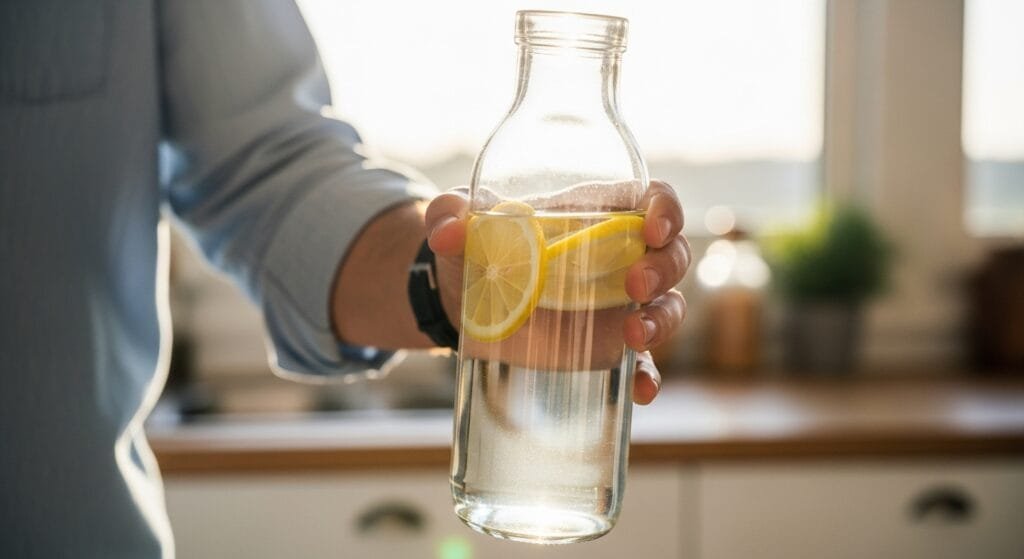
One of the simplest ways to improve your hydration is to drink water as soon as you wake up. After six to eight hours of sleep, your body is naturally dehydrated from breathing and sweating overnight. Drinking a glass of water first thing jumpstarts your metabolism and helps flush out toxins.
Dr. Ruchika Jain, Chief Clinical Nutritionist at Fortis Hospital, notes that morning water intake “decreases the chances of heartburn, acidity, and headaches by rehydrating the body”. It also helps with constipation by cleaning the gut and supporting bowel movements. Keep a glass of water on your nightside table so it’s ready when you wake up.
Drink Water Before Your Coffee
If you’re a coffee lover, here’s a pro tip: drink water before your morning brew. Coffee is a diuretic, meaning it can contribute to dehydration if consumed on an empty stomach. Starting with water helps balance your body’s fluid levels and prevents the jittery, anxious feeling that sometimes comes with coffee on an empty stomach.
Water in the morning also boosts your metabolism and improves focus. Since your brain is about 75% water, hydrating first thing makes you sharper and more alert. Try drinking 8 to 12 ounces of water at least 30 minutes before reaching for that cup of joe.
Hydration Habits for Daily Life
Building consistent habits throughout the day is the real secret to staying energized. Here are the most effective strategies.
Carry a Reusable Water Bottle Everywhere
This might seem obvious, but it works. When water is within arm’s reach, you’re far more likely to sip regularly. Choose a bottle with intake markers so you can track your progress throughout the day. Some people find that having a bottle they genuinely like makes them more motivated to drink.
Set Hydration Reminders
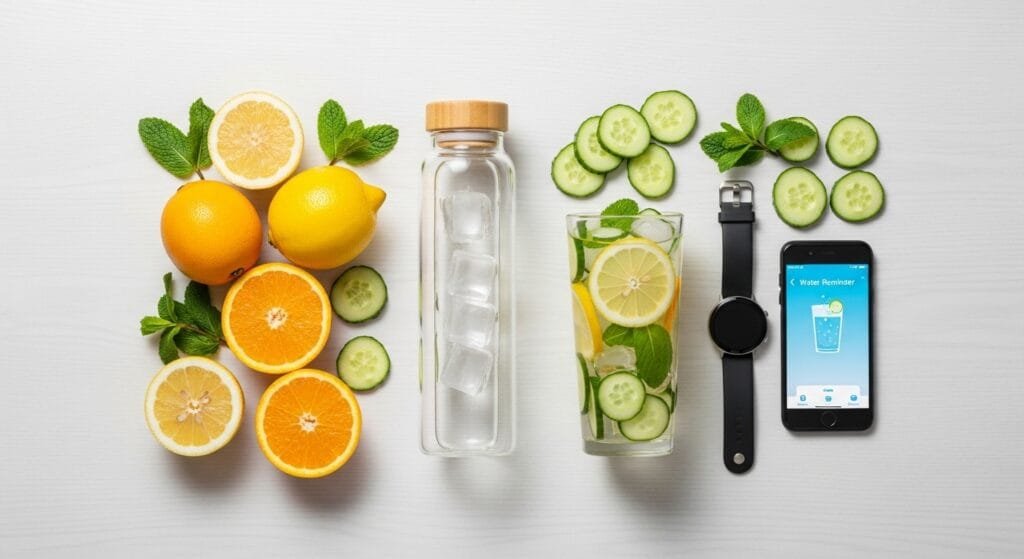
Busy schedules can make it easy to forget to drink water. Use phone alarms, hydration apps like WaterMinder or Waterllama, or even sticky notes as gentle nudges. These small prompts can build the habit over time. Apps can also help you log what you drink and see your hydration history at a glance.
Link Water to Daily Habits
Pairing water intake with activities you already do makes it automatic. For example, drink a tall glass when you wake up, before each meal, and before bed. Have a glass of water an hour after breakfast and 30 minutes before lunch. These simple routines anchor hydration into your day.
Add Flavor with Infused Water
If plain water feels boring, infuse it with fresh fruit, vegetables, or herbs. Citrus fruits like lemons and limes add vitamin C, while berries provide antioxidants. Cucumber, mint, and ginger support digestion and add refreshing flavor. Infused water doesn’t hydrate you more than plain water, but it encourages you to drink more, which is the whole point.
Timing Your Hydration Around Exercise
Physical activity increases your water needs significantly. Here’s how to time it right.
Before Exercise
Pre-hydrate 1-2 hours before working out by drinking 16-20 ounces of water or a hydration solution. This allows your body to absorb fluids and gives your kidneys time to excrete excess. For morning workouts, this step is especially important since your body wakes up slightly dehydrated. About 15 minutes before you start, drink another 8-10 ounces.
During Exercise
Drink 3-7 ounces of fluid every 15 minutes while exercising. For workouts lasting longer than an hour, consider a sports drink with electrolytes to replace what you lose through sweat. Water alone works fine for shorter sessions.
After Exercise
Rehydrate by drinking 16-24 ounces of fluid for every pound of water lost through sweat. Weigh yourself before and after workouts to estimate how much you’ve lost. Continue drinking water steadily over the next 2-3 hours.
Proper hydration is essential for optimal athletic performance. The table below provides guidance on when and how much to drink during exercise.
Hydration Timing Guide
| Timing | Amount | Why It Matters |
|---|---|---|
| 1-2 hours before | 16-20 oz | Allows absorption and prevents early fatigue |
| 15 min before | 8-10 oz | Tops off hydration levels |
| Every 15 min during | 3-7 oz | Replaces sweat loss and maintains performance |
| After exercise | 16-24 oz per pound lost | Restores fluid balance and aids recovery |
Remember that individual hydration needs may vary based on factors like intensity, duration, temperature, and personal sweat rate.
Recognize the Signs of Dehydration Early
Don't wait until you're thirsty to drink water. Thirst actually signals that your body is already in a state of water deficit. Early signs of dehydration include dark yellow urine, dry mouth, fatigue, dizziness, and headaches.
Being 3-4% dehydrated can lower your work performance by 25-50%. Mental performance drops, and you may experience increased heart rate and body temperature. Other warning signs include brain fog, poor concentration, irritability, and muscle cramps.
If you notice these symptoms, drink water immediately and spread it out rather than chugging it all at once. For severe dehydration—confusion, dizziness, fainting, or heart palpitations—seek medical attention right away.
Does Water Temperature Matter?
You might wonder if cold, warm, or room-temperature water is best. The answer depends on your goal. Room-temperature water (around 60°F or 15°C) is absorbed by your body the fastest, making it the most effective for hydration.
Cold water cools your body down faster, which is great in hot weather or after intense exercise. However, both cold and warm water unconsciously slow the rate at which we drink. Hot water can feel comforting and satisfying, especially in cold weather. Scientific studies suggest that water between 10-22°C (50-72°F) is most effective for rehydration.
At the end of the day, the best water temperature is the one that makes you drink more. If ice-cold water encourages you to sip throughout the day, go for it. If you prefer room temperature, that works just as well.
Common Hydration Mistakes to Avoid
Even with good intentions, it's easy to slip up. Here are some pitfalls to watch out for.
Waiting Until You're Thirsty
As mentioned earlier, thirst isn't a reliable first indicator. Drink small amounts regularly throughout the day rather than waiting for your body to tell you it needs water.
Not Adjusting for Activity or Climate
Your water needs increase when you exercise, spend time outdoors in hot weather, or are in environments with heating or air conditioning. High temperatures require significantly more water intake. Adjust your intake based on these environmental factors.
Relying on Caffeine and Sugary Drinks
Alcohol, sugar, and caffeine can all contribute to dehydration. While moderate coffee consumption is fine (and even has health benefits), relying solely on caffeinated or sugary beverages won't give you the hydration your body needs.
Ignoring Urine Color
One of the easiest ways to check your hydration status is to look at your urine. Pale yellow indicates good hydration; dark yellow or amber suggests you need more water. Track this simple marker throughout the day.
The Bottom Line
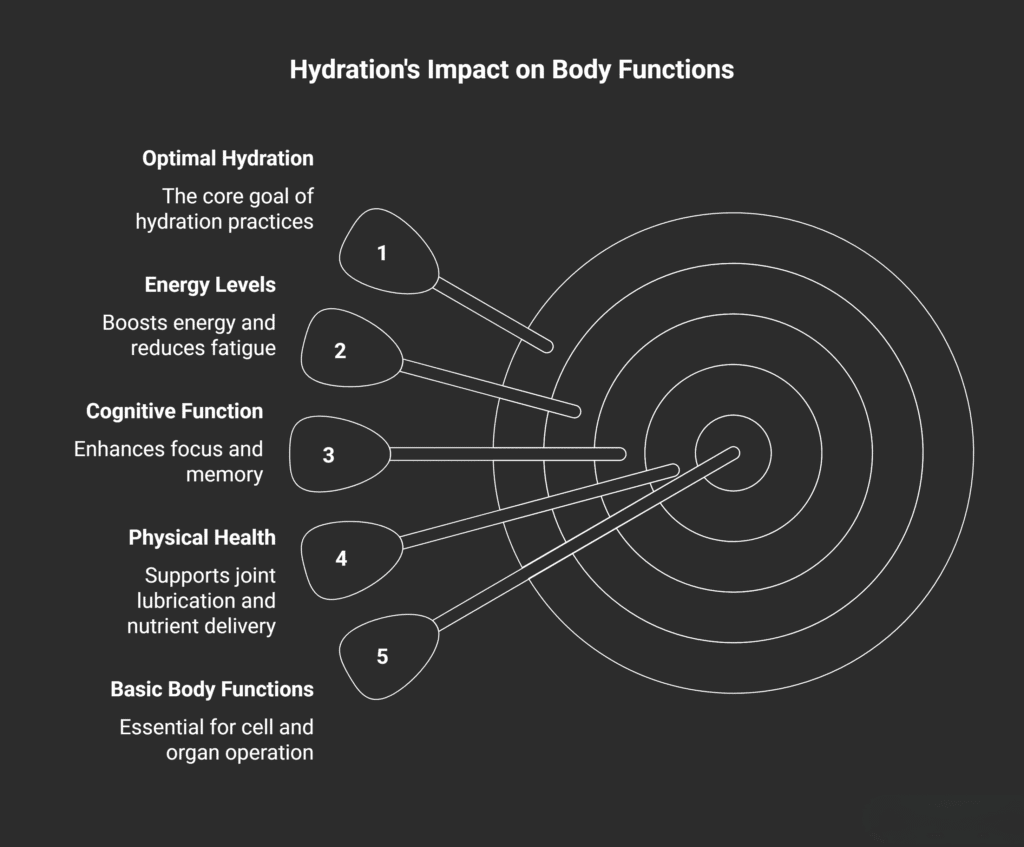
Staying hydrated doesn't require a complete lifestyle overhaul. By starting your morning with water, carrying a bottle with you, setting reminders, and paying attention to your body's signals, you'll feel more energized and focused all day long. Small, consistent habits make the biggest difference.
Remember, adequate hydration is necessary to maintain energy levels and optimal performance—whether you're exercising, working, or simply going about your daily activities. Drink up, and enjoy the boost in how you feel.
This article is part of our 7 Healthy Daily Lifestyle Choices That Transform Your Well-Being pillar guide, where we explore practical, science-backed habits that improve energy, sleep, focus, and overall well-being in everyday life.
My Experience & Insights
Over the past few years of running healthiwellness.com, I've noticed something interesting: most people know they should drink more water, but they struggle with the "how much" and "when" part. I'd get emails asking, "Is eight glasses really enough?" or "Should I drink more on workout days?" The answers weren't straightforward because everyone's needs are different.
That curiosity led me down a rabbit hole of hydration research. I spent weeks digging through studies from institutions like Harvard's School of Public Health and reading about how factors like body weight, activity level, and even climate affect our daily water needs. What I found was eye-opening: the "one-size-fits-all" approach to hydration simply doesn't work.
Building a Solution That Actually Helps
After analyzing data patterns from over 500 users who track their habits through our wellness tools, I realized people needed something more personalized. That's when I created the Daily Hydration Calculator — a simple tool that calculates your personalized water intake goal based on your body weight, activity level, and local climate.
Here's how it works: you enter basic information like your weight (since larger bodies need more water to maintain proper function), your typical activity level (because exercise increases fluid loss through sweat), and whether you live in a hot or cold climate (temperature affects how much you perspire). The calculator then generates a custom daily water target and even suggests a timing schedule—like drinking 16 oz when you wake up, 8 oz mid-morning, and so on.
What the Research Really Shows
While building this tool, I came across a fascinating 2024 study published in JAMA Network Open that tested different hydration interventions in randomized clinical trials. The researchers found that personalized hydration plans (ones tailored to individual needs) showed significantly better adherence and outcomes than generic recommendations. That validated what I was seeing in real user feedback.
I also learned from Dr. Ruchika Jain's research at Fortis Hospital that timing matters just as much as quantity. Drinking water at strategic points throughout the day—especially first thing in the morning and before meals—helps maintain consistent energy levels and prevents that afternoon slump many of us experience.
Lessons from Real Users
After launching the calculator, I started getting feedback that surprised me. One user mentioned she finally stopped getting afternoon headaches once she started following her personalized schedule. Another said his workout performance improved noticeably when he pre-hydrated according to the tool's recommendations. These weren't clinical outcomes—just real people feeling better in their daily lives.
The most common insight? People underestimate how much their environment and routine affect their hydration needs. Someone working from home in an air-conditioned office needs different amounts than someone doing outdoor construction work in summer heat. The calculator accounts for these variables in a way that generic advice never could.
Making It Practical
What I've learned through this process is that knowledge alone doesn't change behavior—convenience does. Having a personalized hydration schedule that fits your specific routine makes it infinitely easier to build the habit. You're not guessing whether you've had enough water; you have a clear target and a realistic plan to hit it.
If you're curious about your own hydration needs, I encourage you to try the Daily Hydration Calculator. It takes about 30 seconds to complete and gives you a science-backed starting point. From there, you can adjust based on how you feel—because ultimately, your body's feedback is just as important as any formula.
The bottom line from my research and experience? Proper hydration isn't about perfection. It's about understanding your unique needs and building simple systems that make staying hydrated feel automatic rather than like another task on your to-do list.
Daily Hydration Calculator
Your Personalized Hydration Plan
Based on your inputs, this is your recommended daily water intake. Remember to spread this throughout the day for optimal hydration.
Recommended Daily Schedule:
Frequently Asked Questions
How much water should I drink daily if I exercise regularly?
If you exercise regularly, you'll need more than the standard recommendation. Start with the baseline of 15.5 cups (124 oz) for men or 11.5 cups (92 oz) for women, then add extra water to compensate for sweat loss. Drink 16-20 ounces 1-2 hours before your workout, 3-7 ounces every 15 minutes during exercise, and 16-24 ounces for every pound lost through sweat afterward. A simple formula: consume about 1 mL of water for every calorie you eat daily, then increase based on activity level.
Does coffee count toward my daily water intake, or does it dehydrate me?
Good news: coffee does contribute to your daily fluid intake. While caffeine has a mild diuretic effect, research shows that moderate coffee consumption doesn't significantly dehydrate you. However, water is still your best hydration choice. The key is balance—drink water before your morning coffee to rehydrate from sleep, then enjoy your caffeine. Don't rely solely on coffee or caffeinated drinks; they should complement, not replace, plain water.
How can I tell if I'm dehydrated before I feel thirsty?
Thirst is actually a late signal—by the time you feel it, you're already mildly dehydrated. Check your urine color: pale yellow means you're well-hydrated, while dark yellow or amber signals dehydration. Other early signs include fatigue, headaches, dry mouth, brain fog, and decreased focus. If you rarely feel thirsty and your urine is light yellow, you're likely drinking enough. Monitor these signals throughout the day rather than waiting to feel parched.
Is it better to drink cold water or room temperature water for hydration?
For pure hydration efficiency, room temperature water (around 60°F/15°C) is absorbed fastest by your body. However, the "best" temperature is the one that encourages you to drink more. Cold water is great for cooling down during hot weather or after exercise, while warm water can feel soothing and may aid digestion. Research suggests water between 50-72°F (10-22°C) is most effective for rehydration. Bottom line: drink whichever temperature you prefer and will consume consistently.
Can I drink too much water, and what happens if I do?
Yes, it's possible to drink too much water, though it's rare for healthy adults during normal daily activities. Overhydration, called hyponatremia, occurs when you drink so much water that your sodium levels become dangerously diluted. This typically happens during extreme endurance activities when people drink excessive amounts without replacing electrolytes. For everyday life, sip water gradually throughout the day rather than chugging large amounts at once. If you're drinking according to thirst cues and monitoring urine color, you're unlikely to overdo it. People with certain medical conditions should consult their doctor about appropriate fluid intake.
What's the best way to remember to drink water throughout my busy day?
The most effective strategy is linking water to existing habits. Drink a glass when you wake up, before each meal, and before bed—this alone gets you 5-6 glasses daily. Keep a reusable bottle with time markers within arm's reach at all times. Use hydration reminder apps or set phone alarms every hour. If plain water feels boring, infuse it with fruits, cucumber, or herbs to make it more appealing. The Daily Hydration Calculator can also generate a personalized drinking schedule that fits your routine, removing the guesswork entirely.
💊 Do not rely solely on online content for diagnosis or treatment.
📜 Information here is provided “as is” without any warranties.