
💊 Do not rely solely on online content for diagnosis or treatment.
📜 Information here is provided “as is” without any warranties.
Nutrition habits for energy & longevity aren’t about extreme diets or complicated meal plans—they’re simple, science-backed changes anyone can make. If you’ve ever wondered why some people seem to have endless energy while aging gracefully, the answer often lies in what they eat daily. We’ll explore practical habits that help you feel stronger, sharper, and more vibrant, no matter your age.
- Why Your Food Choices Matter More Than You Think
- Nutrition Habits for Energy & Longevity
- 7 Nutrition Habits for Energy & Longevity That Actually Work
- Comparing Popular Longevity Diets
- Diet Patterns Comparison
- Small Changes, Big Results
- My Experience & Insights
- Healthy Aging Nutrient Calculator
- Frequently Asked Questions
Why Your Food Choices Matter More Than You Think
The foods you eat don’t just fill your stomach—they power every cell in your body. Dr. Walter Willett, Professor of Epidemiology and Nutrition at Harvard T.H. Chan School of Public Health, has spent over 40 years studying how diet affects major diseases. His research with nearly 300,000 people shows that your daily food decisions can add years to your life or take them away.
Think of your body like a car. Put low-quality fuel in, and it sputters and breaks down fast. Feed it premium nutrients, and it runs smoothly for decades. A 2023 study found that women who switched to healthier eating could add up to 8.6 years to their lives. That’s not magic—it’s the power of nutrition working at a cellular level.
Nutrition Habits for Energy & Longevity
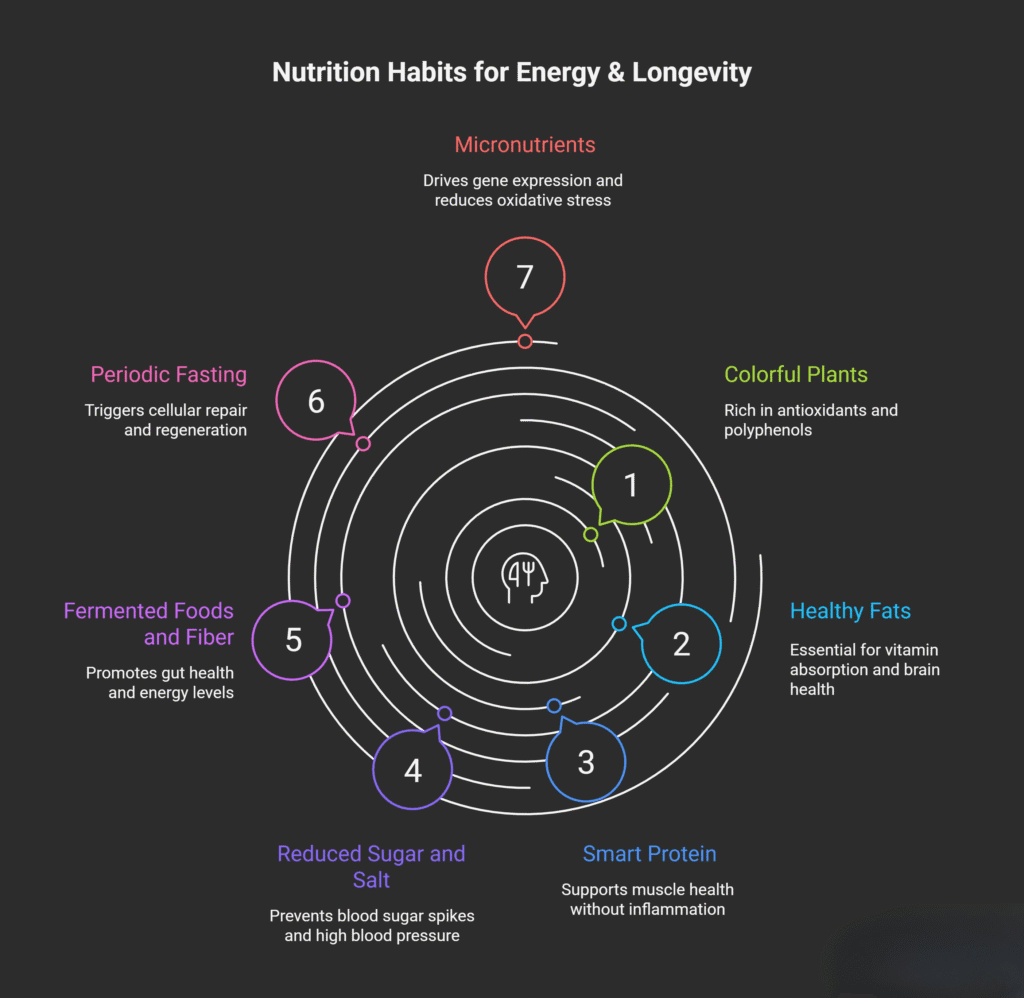
7 Nutrition Habits for Energy & Longevity That Actually Work
Load Up on Colorful Plants
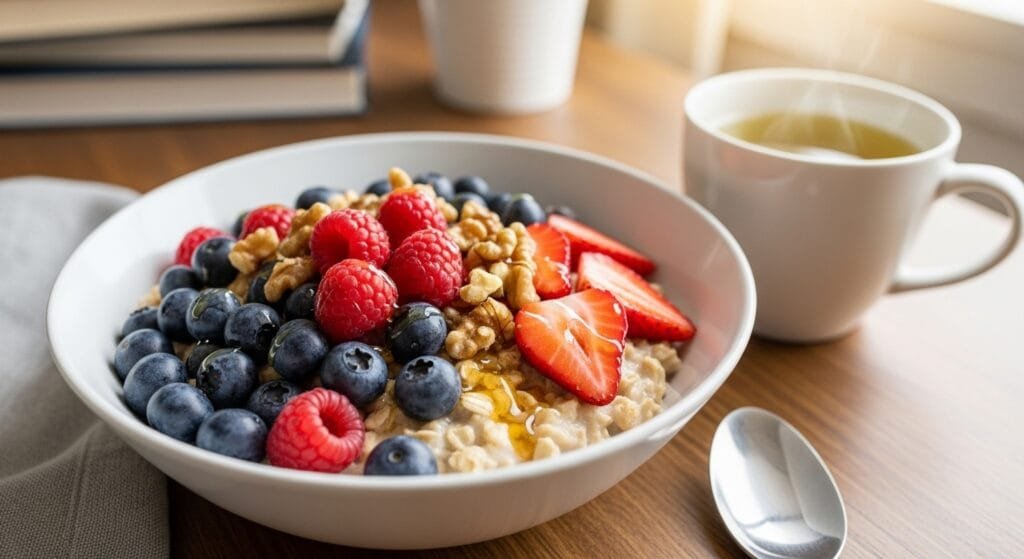
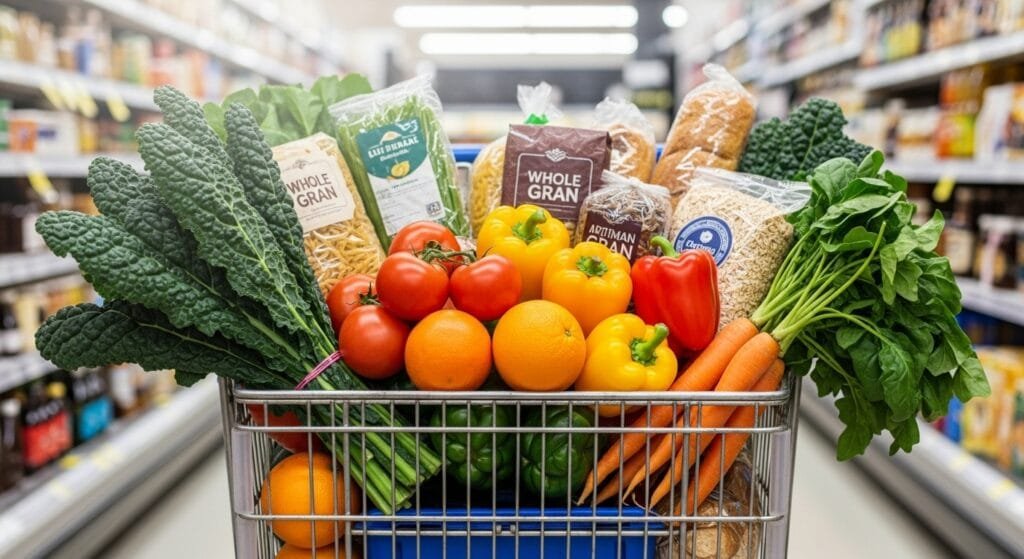
Vegetables, fruits, whole grains, nuts, and legumes should be the stars of your plate. These foods are packed with polyphenols and antioxidants that fight inflammation and support your cells as they age. Dietary polyphenols have the capability to negate reactive oxygen species and suppress cellular oxidative stress, enabling them to prevent damage to biomolecules like lipids, proteins, and DNA. Berries are especially powerful—blueberries, cranberries, and raspberries have been shown to extend lifespan in multiple studies.
Dr. Willett’s research consistently shows that people who eat the most plant foods have lower rates of heart disease, cancer, and early death. You don’t need to go fully vegetarian, but filling half your plate with veggies at each meal is a great start.
Choose Healthy Fats Over Harmful Ones
Not all fats are created equal. Your body needs fats to absorb vitamins, build cell membranes, and keep your brain sharp. The trick is picking the right ones.
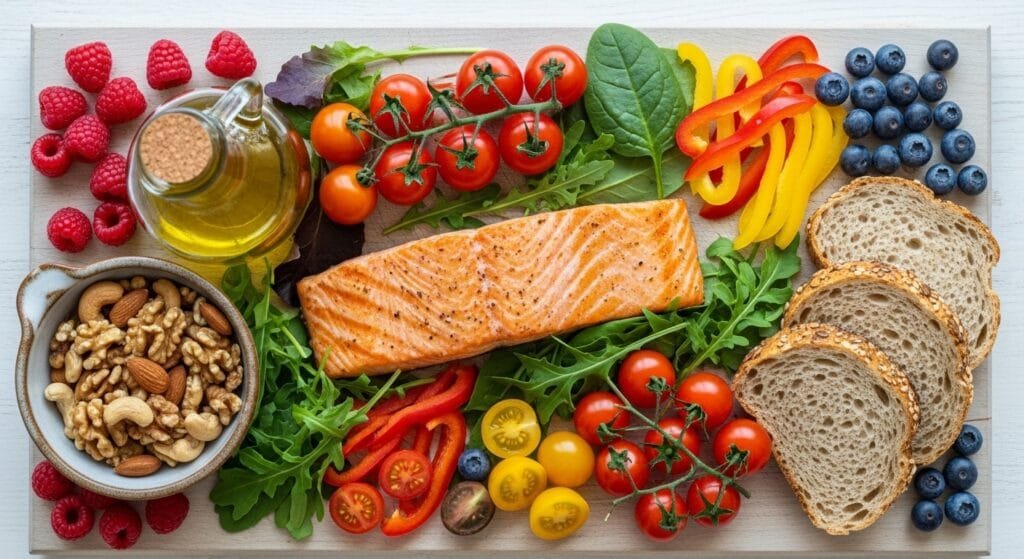
Olive oil, avocados, nuts, seeds, and fatty fish like salmon provide unsaturated fats that protect your heart and reduce inflammation. Studies published in Nature Medicine found these fats were particularly linked to better physical and cognitive function in people over 70. On the flip side, trans fats found in processed snacks and baked goods speed up aging and increase disease risk.
Eat Protein the Smart Way
Dr. Valter Longo, Director of the Longevity Institute at USC, has discovered that protein timing and type matter a lot. His research shows that moderate protein intake—especially from plant sources like beans, lentils, and tofu—supports longevity better than high-protein diets heavy in red meat.
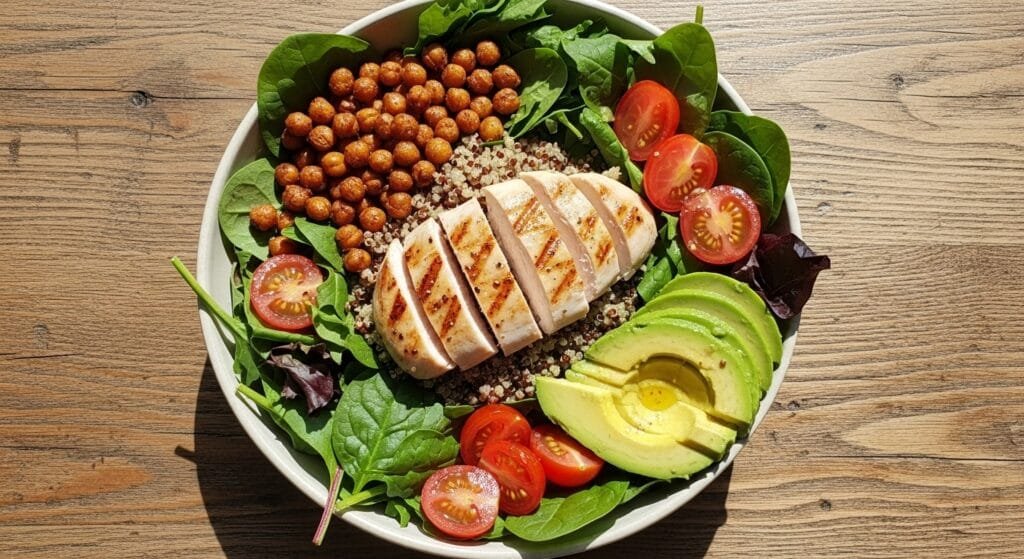
Fish, eggs, and poultry are solid choices for lean protein. They give your muscles what they need without the inflammation that comes from eating too much processed or red meat. A balanced approach means getting protein at most meals but not overdoing it.
Cut Back on Sugar and Salt
Added sugar and excess sodium quietly damage your body over time. Sugar spikes your blood sugar, leading to energy crashes and increasing your risk of diabetes. Too much salt raises blood pressure and strains your heart.
The fix is simpler than you think. Swap sugary drinks for water, unsweetened tea, or coffee. Choose whole fruits instead of juice. Season food with herbs and spices like turmeric, garlic, and ginger instead of reaching for the salt shaker. These small swaps add up fast.
Include Fermented Foods and Fiber
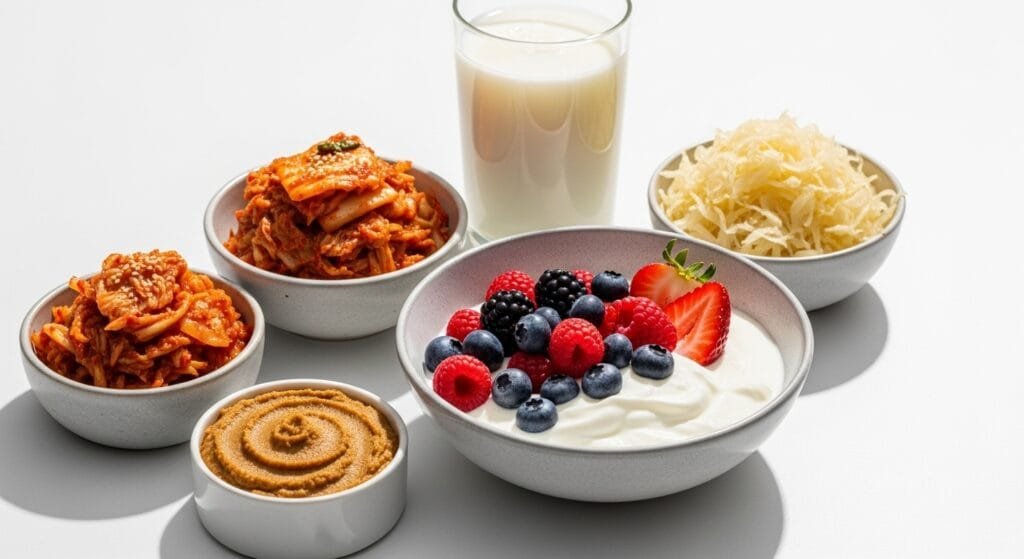
Your gut is home to trillions of bacteria that affect your mood, immunity, and energy levels. Fermented foods affect the gut microbiome in both the short and long term and should be considered an important element of human diet. Yogurt, kimchi, miso, and sauerkraut feed the good bacteria. Fiber from oats, beans, vegetables, and whole grains acts as prebiotics, helping beneficial microbes thrive.
Research shows polyphenols in the Mediterranean diet reduce inflammation and oxidative stress pathways associated with cellular senescence. A healthy gut microbiome reduces inflammation throughout your body, which is one of the main drivers of aging. If your digestion feels sluggish or your energy dips in the afternoon, boosting fiber and fermented foods might be the answer.
Try Periodic Fasting or Time-Restricted Eating
Dr. Longo’s work on fasting mimicking diets shows that giving your body breaks from constant eating can trigger cellular repair and regeneration. This doesn’t mean starving yourself—it means creating eating windows.
For example, you might eat all your meals within a 10-hour window each day, fasting for the other 14 hours. A clinical trial on time-restricted eating found that participants who followed a 14-hour metabolic fast combined with a weight management program experienced statistically significant weight loss and improvements in fasting blood glucose. UC San Diego researchers found that limiting food consumption within a 10-hour window each day improved key markers of heart health. These patterns help reverse insulin resistance, reduce biological age markers, and promote stem cell activation.
Focus on Micronutrients
We often obsess over calories and macros but forget about the tiny nutrients running the show behind the scenes. Dr. Rhonda Patrick, who earned her Ph.D. in biomedical science from St. Jude Children’s Research Hospital, is a leading public health educator on nutrition and longevity. Her research highlights how micronutrients drive gene expression, reduce oxidative stress, and regulate inflammation.
Vitamin D, omega-3 fatty acids, magnesium, zinc, B vitamins, and vitamin C are critical for energy production, immune function, and slowing aging. Studies on diet and omega-3 and vitamin D supplementation found that high-quality diet combined with omega-3 and vitamin D supplement use predicted better fatigue and disability trajectories. Most people don’t get enough of these essentials from food alone. Fatty fish, eggs, and fortified dairy provide vitamin D; nuts, seeds, and leafy greens supply magnesium; and citrus fruits, berries, and bell peppers deliver vitamin C. If you’re low on energy or often get sick, micronutrient gaps might be the culprit.
Comparing Popular Longevity Diets
Different eating patterns can all support energy and longevity—the key is finding one that fits your lifestyle and preferences. Here’s how some of the most researched approaches stack up:
Diet Patterns Comparison
Explore different dietary approaches and their benefits
| Diet Pattern | Key Foods | Main Benefits | Best For |
|---|---|---|---|
| Mediterranean |
Olive oil
Vegetables
Fish
Whole grains
Nuts
|
32% lower death risk; 60% lower cardiovascular mortality | People who love flavorful, varied meals |
| DASH |
Fruits
Vegetables
Low-fat dairy
Whole grains
|
Lowers blood pressure; Reduces heart disease risk | Those managing blood pressure or heart health |
| Plant-Based (hPDI) |
Vegetables
Fruits
Legumes
Nuts
Whole grains
|
Lower inflammation; Supports healthy aging | Vegetarians or anyone wanting more plants |
| Traditional Okinawan |
Sweet potatoes
Soy
Vegetables
Seafood
Green tea
|
Linked to exceptional longevity; Calorie restriction benefits | People interested in calorie control and longevity |
| Anti-Inflammatory |
Leafy greens
Berries
Olive oil
Fatty fish
Green tea
|
Reduces chronic disease; Supports brain health | Anyone dealing with inflammation or joint issues |
Each pattern emphasizes whole foods, limits processed junk, and includes plenty of plants. Research shows that people who stick to any of these eating styles consistently have 18-20% lower risk of early death compared to those who don’t.
Small Changes, Big Results
You don’t have to overhaul your entire diet overnight. Start with one or two habits from this list and build from there. Maybe swap white rice for brown rice this week, or add a handful of berries to your breakfast. Next week, try cooking with olive oil instead of butter, or eat fish twice instead of red meat.
The goal isn’t perfection—it’s progress. Your body responds to consistent, small improvements over time. When you prioritize nutrient-dense foods and mindful eating patterns, you’ll likely notice more energy, better sleep, clearer thinking, and a greater sense of wellbeing within just a few weeks.
Remember, the best diet for longevity is one you can actually stick with for years. Choose foods you enjoy, eat with people you love, and pay attention to how your body feels. That’s the real secret to eating for a long, vibrant life.
My Experience & Insights
While researching nutrition for energy and longevity over the past few years, I kept noticing the same pattern: people struggled to figure out which nutrients they were actually missing. Harvard research shows more than half of the global population consumes inadequate levels of micronutrients critical to health, including calcium, iron, and vitamins C and E. What struck me most was that deficiencies in older adults contribute to muscle weakness, cognitive decline, and reduced quality of life—yet most people had no clear way to identify their own gaps.
That’s when I decided to build something practical. I developed a Healthy Aging Nutrient Calculator that helps you identify your micronutrient gaps based on your age, diet type, and specific health concerns. Instead of giving generic advice, the tool analyzes your profile and recommends priority nutrients along with the best food sources to get them naturally.
For instance, recent studies show vitamin D deficiency affects over 40% of European older adults, and nursing home residents face even higher risks. The calculator flags vitamin D as a priority if you’re over 60 or have limited sun exposure, then suggests practical food options like fatty fish, fortified dairy, or egg yolks—foods you can actually find at your local grocery store.
What really surprised me during this research was learning that 90% of institutionalized older adults have deficiencies in three or more micronutrients. Even among people taking supplements, suboptimal status remained common. A 2024 study found 63% of nursing home residents used supplements, but most non-supplementers still had insufficient vitamin D levels year-round, showing that diet and sun exposure alone weren’t enough.
This insight reinforced something Dr. Willett and Dr. Patrick emphasize: it’s not just about eating healthy—it’s about eating the right nutrients for your specific stage of life and circumstances. Research on nutritional management of aging confirms that older adults are especially prone to insufficient intake of vitamin B12, iron, vitamin D, and calcium, often driven by factors like dental health, digestive issues, or social isolation.
The calculator I built addresses this by giving you personalized recommendations rather than one-size-fits-all advice. If you mention concerns about low energy, it prioritizes B vitamins, iron, and magnesium—nutrients directly involved in energy production at the cellular level. If bone health is your worry, it highlights calcium, vitamin D, and vitamin K2 from food sources like leafy greens, dairy, and fermented foods.
Creating this tool taught me that the path to longevity isn’t complicated—it’s about making informed, targeted choices based on real data about your body’s needs. When you know exactly which nutrients you’re missing and which foods provide them, eating for energy and a longer life becomes surprisingly simple.
Healthy Aging Nutrient Calculator
Discover your potential nutrient gaps and get personalized food recommendations to support healthy aging.
Your Profile
Your Nutrient Analysis
Based on your profile, here are the nutrients that may need more attention in your diet:
Frequently Asked Questions
What foods give you the most energy throughout the day?
Foods that provide sustained energy include whole grains like oats and quinoa, fatty fish rich in omega-3s, nuts and seeds, leafy greens, and berries. These foods stabilize blood sugar and provide B vitamins, magnesium, and iron—nutrients your body needs to convert food into usable energy. Avoid sugary snacks that cause energy crashes; instead, pair complex carbs with healthy fats or protein for longer-lasting fuel.
How can I change my diet to live longer?
Start by building meals around vegetables, fruits, whole grains, nuts, and legumes while limiting processed foods, added sugars, and red meat. Research shows that following a Mediterranean or plant-based diet can add up to 8 years to your life. Focus on eating more colorful plants, choosing olive oil over butter, including fatty fish twice weekly, and adding fermented foods like yogurt or kimchi for gut health. Small, consistent changes work better than dramatic overhauls.
What are the best vitamins for energy and aging?
Vitamin D, B vitamins (especially B12), magnesium, omega-3 fatty acids, and vitamin C are critical for energy production and healthy aging. Vitamin D and omega-3s reduce inflammation and support brain function, while B vitamins help your cells convert food into energy. Magnesium regulates over 300 biochemical reactions in your body. Get these from fatty fish, eggs, leafy greens, nuts, seeds, and citrus fruits before considering supplements.
Is fasting good for longevity?
Research by Dr. Valter Longo shows that periodic fasting and time-restricted eating (eating within a 10-hour window) can trigger cellular repair, improve insulin sensitivity, and reduce biological age markers. Studies found that limiting food consumption to specific hours improves heart health markers and blood sugar control. However, fasting isn’t for everyone—pregnant women, people with certain medical conditions, and those with a history of eating disorders should avoid it.
What is the healthiest diet for longevity?
The Mediterranean diet has the strongest evidence for longevity, reducing death risk by up to 32% and cardiovascular mortality by 60% in recent studies. It emphasizes olive oil, vegetables, fish, whole grains, nuts, and moderate amounts of dairy while limiting red meat and processed foods. Other effective patterns include plant-based diets (hPDI), DASH diet, and traditional Okinawan diet—all share common features: plenty of plants, healthy fats, minimal processing, and limited added sugars.
How do I know if I have micronutrient deficiencies?
Common signs of micronutrient deficiencies include persistent fatigue, frequent infections, brain fog, muscle weakness, slow wound healing, and brittle hair or nails. Harvard research shows over half the global population doesn’t get adequate calcium, iron, and vitamins C and E. Older adults are especially prone to vitamin D, B12, and magnesium deficiencies. A blood test from your doctor can identify specific gaps, or you can assess your diet and lifestyle factors (age, diet type, sun exposure) to identify likely deficiencies and address them through targeted food choices.
💊 Do not rely solely on online content for diagnosis or treatment.
📜 Information here is provided “as is” without any warranties.