

💊 Do not rely solely on online content for diagnosis or treatment.
📜 Information here is provided “as is” without any warranties.
If you’ve ever wondered how hydration affects nutrition, you’re in good company. I used to think drinking water was just about quenching thirst. But, as it turns out, the way you hydrate can actually transform how your body uses food and energy day-to-day, according to top nutrition experts. So, how does something as simple as water have such a big impact? Let’s dive in and find out—no pun intended.
- Why Hydration Matters More Than You Think
- How Hydration Affects Nutrition
- The Energy Effect: Water, Metabolism, and Fatigue
- Table: Hydration vs. Nutrition—What Changes When You’re Dehydrated?
- Effects of Hydration on Body Functions
- Small Sips, Big Results: Simple Science and Practical Tips
- The Mind–Body Link: Hydration, Mood, and Brainpower
- Eating for Hydration: More Than Just Water
- What About Electrolytes and “Better” Hydration Drinks?
- What Happens If You Don’t Hydrate Enough?
- My Experience & Insights
- Hydration Impact Calculator
- Frequently Asked Questions
Why Hydration Matters More Than You Think
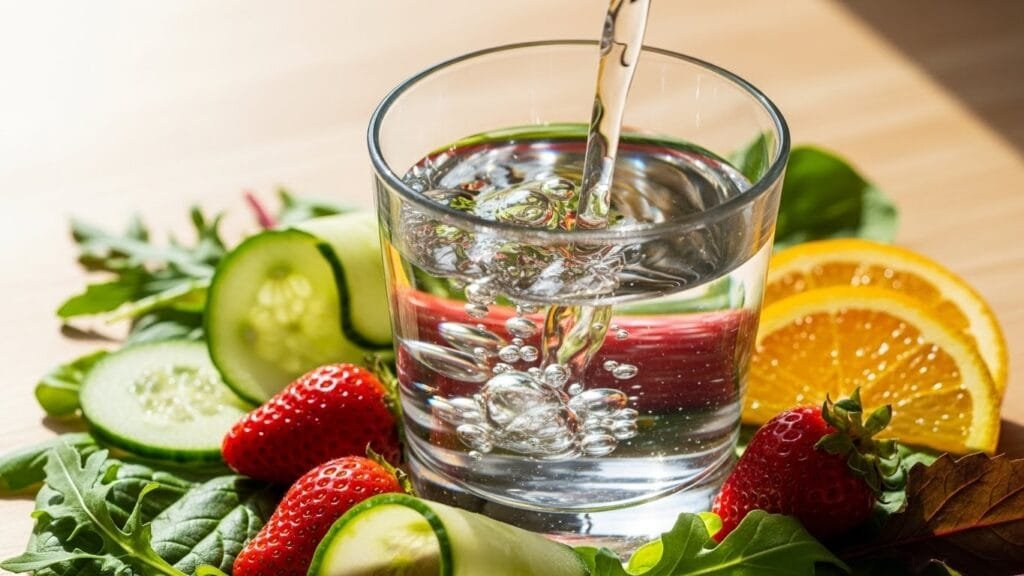
You know that dry, heavy feeling when you haven’t had enough to drink? It’s not just in your head. According to Dr. Lawrence E. Armstrong, a Professor of Physiology renowned for his hydration research at the University of Connecticut, even mild dehydration—losing just 1–2% of your body water—can slow your thinking, sap your energy, and make digestion sluggish. Water is more than just a transporter; it helps every cell and system in your body do its job.
Research published in the journal Nutrition Reviews adds that water is a critical nutrient—meaning your body can’t function without it for more than a few days. It keeps everything moving, from the way your body absorbs vitamins and minerals to how your muscles fire and your brain makes decisions. Skimp on water, and your nutrition—and your energy—take a bigger hit than you might expect.
How Hydration Affects Nutrition
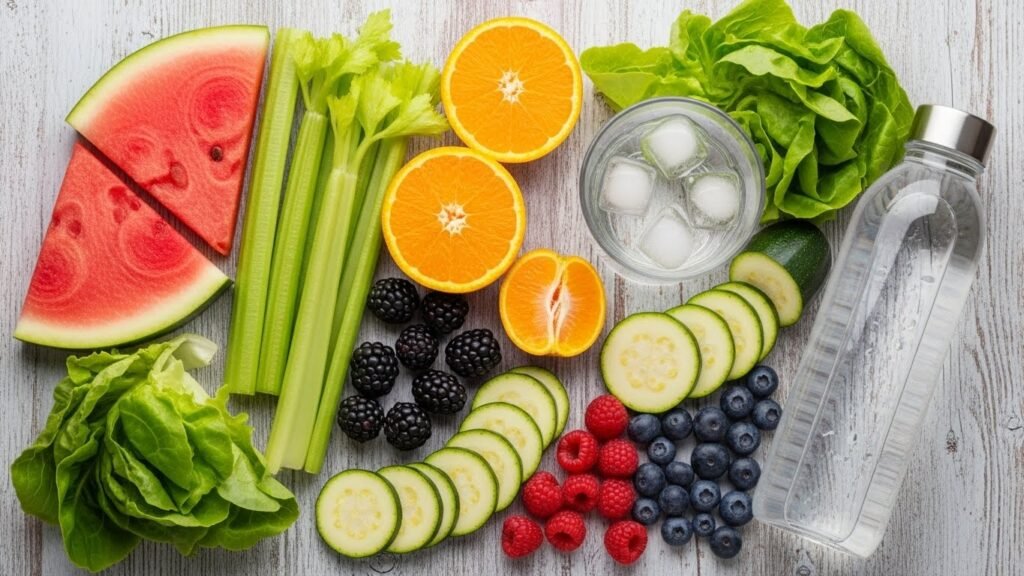
Let’s break down how hydration impacts nutrition in plain English. Water transforms the way your body uses the nutrients you eat. Without enough water, even the healthiest meal can leave you feeling “off.”
Some key ways hydration boosts nutrition:
- Helps break down food: Water mixes with digestive juices (including stomach acid and enzymes) to turn food into nutrients your body can absorb
- Carries nutrients and removes waste: Getting enough fluids lets your bloodstream pick up nutrients and deliver them to your cells while whisking away what your body doesn’t need
- Supports vitamin and mineral absorption: Certain nutrients—like B-vitamins and vitamin C—are water-soluble, so if you’re under-hydrated, you absorb less
Ever had a heavy, sluggish feeling after a meal? It could be a sign you’re dehydrated and your digestion is out of sync. “Mild dehydration impairs digestion and nutrient uptake,” explains Dr. Tom Sanders, Emeritus Professor of Nutrition at King’s College London. “You may feel tired even after eating well.”
The Energy Effect: Water, Metabolism, and Fatigue
Here’s the thing: Nutrition and energy don’t exist in separate worlds. Your cells need water to convert food into fuel—what scientists call metabolism (the process that gives you energy and helps burn calories). Without enough water, this process slows down, and you get tired faster.
According to the National Institute of Nutrition, adequate hydration is required for proper breakdown of fats (lipolysis), digestion, and metabolism. Skipping water means your body will struggle to make energy from food, and you’ll likely feel the effects with more fatigue and poor focus.
Dr. Stephanie K. Nishi, a nutrition scientist at Universitat Rovira i Virgili, reinforces that hydration aids in efficient digestion, toxin removal, and energy production, and even supports a balanced mood and clear thinking.
Table: Hydration vs. Nutrition—What Changes When You’re Dehydrated?
Effects of Hydration on Body Functions
| Function | Hydrated Body | Dehydrated Body |
|---|---|---|
| Digestion | Smooth: nutrients absorbed efficiently | Slow: risk of indigestion, poor nutrient uptake |
| Metabolism/Energy | Steady: fat and carbs burned for energy | Sluggish: fatigue, less calorie burn |
| Cognitive Function | Sharp: alert and focused | Foggy: confusion, forgetfulness |
| Muscle Performance | Strong: less cramping, better recovery | Weaker: risk of cramps, slower recovery |
| Vitamin/Mineral Absorption | Optimal (especially water-soluble vitamins) | Suboptimal: missed nutrients |
Small Sips, Big Results: Simple Science and Practical Tips
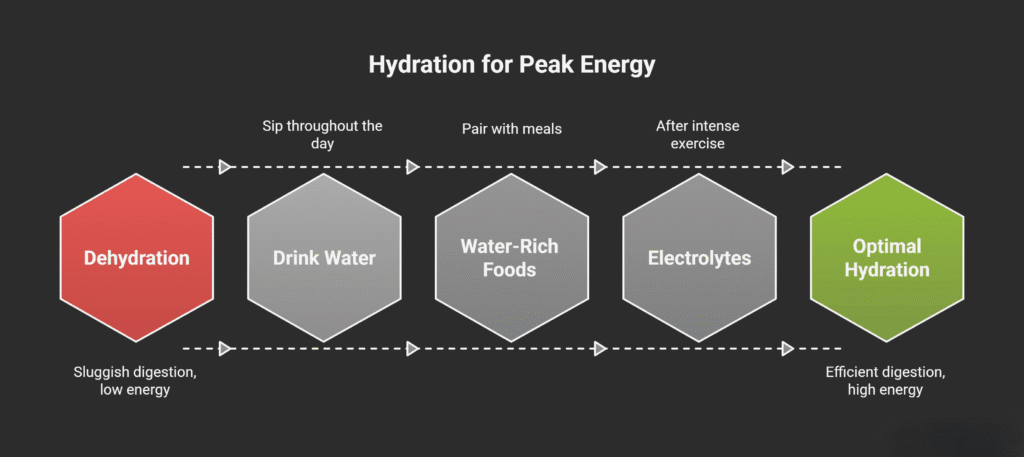
Let’s get real for a second. You don’t need to chug gallons or follow fancy rules. The U.S. National Academies of Sciences, Engineering, and Medicine recommends about 11.5 cups (2.7 liters) daily for women and 15.5 cups (3.7 liters) for men—total fluids, including food. If you eat lots of fruits and veggies, you’re already getting some water!
Melissa Majumdar, a registered dietitian and former spokesperson for the Academy of Nutrition and Dietetics, suggests simple cues for hydration: “If you feel thirsty, you’re already a bit behind. Aim to drink throughout the day rather than all at once.” Pay attention to the color of your urine—pale yellow usually means you’re well hydrated.
Here are a few more tricks that work for me and many nutritionists:
- Keep a water bottle handy and take small sips often
- Pair water-rich foods like watermelon and cucumbers with meals
- Add a slice of lemon or splash of juice for taste if plain water bores you
The Mind–Body Link: Hydration, Mood, and Brainpower
Ever notice your mood dip or your attention wander when you’re thirsty? Research led by Dr. Nishi found that people with lower hydration levels had bigger drops in mental sharpness and overall mood over two years—especially as they aged. In short, water literally helps keep your brain’s lights on.
Eating for Hydration: More Than Just Water
Turns out, you don’t have to drink all your hydration. Foods like yogurt, melon, citrus fruit, plain soups, and veggies (like celery and tomatoes) make a surprisingly big dent in your daily fluid needs. “Almost 20–30% of your fluid intake can come from food,” notes Dr. Sanders, and adding fluid-rich foods is an easy, flavorful way to boost hydration.
What About Electrolytes and “Better” Hydration Drinks?
Here’s where choices matter. Electrolytes—minerals like sodium, potassium, and magnesium—keep fluid balanced in your body. You get them from both water and food. For most healthy people, plain water and a varied diet do the trick. If you’re sweating hard or sick, drinks with some electrolytes (like sports drinks or coconut water) may be helpful—just watch out for added sugars.
Research from ProSource™ shows that milk and oral rehydration solutions hydrate even better (and longer) than water after intense exercise, thanks to their electrolyte and protein content.
What Happens If You Don’t Hydrate Enough?
When you fall short, it’s not just “thirst” you’ll notice. Dr. Armstrong says you might experience:
- Brain fog and trouble focusing
- Headaches, fatigue, and low mood
- Constipation and sluggish digestion
- More muscle soreness after exercise
Over time, chronic dehydration can even mess with your metabolism and contribute to health issues—especially for kids, older adults, and athletes.
This article is part of our 7 Nutrition Habits for Energy & Longevity That Actually Work pillar guide, where we break down simple, science-backed eating habits that support sustained energy, metabolic health, and long-term longevity.
My Experience & Insights
Over the past few years of running a health and wellness platform, I’ve talked to hundreds of readers who struggle with the same complaint: “I eat healthy, but I still feel tired.” When I dug into the research, one pattern kept showing up—most people drastically underestimate how much their hydration habits (or lack thereof) affect their energy and nutrition.
While researching hydration’s role in metabolism, I came across several fascinating studies from Dr. Armstrong’s lab at UConn showing that even a 1–2% drop in body water can measurably reduce cognitive performance and physical stamina. That’s less than missing two glasses of water on a busy day. It made me realize: we focus so much on what we eat, but we often forget about the foundation—proper fluid balance.
To help readers see the real-world impact of their own habits, I built a simple Hydration Impact Calculator where you can input your current water intake, body weight, and activity level. The tool calculates your personalized hydration target and shows you—in plain numbers—how your current habits might be affecting daily energy and nutrient absorption. It’s not clinical advice; it’s a research-backed snapshot that helps you connect the dots between how you hydrate and how you feel.
What I’ve learned from building this tool (and testing it myself) is eye-opening. On days when I hit my hydration target—especially before and during meals—I notice sharper focus, steadier energy, and way less of that mid-afternoon slump. On the flip side, when I’m running on just coffee and a glass of water at lunch? My body reminds me pretty quickly with brain fog and fatigue.
The science backs this up, too. Research published in Nutrition Reviews highlights that water is essential for dissolving and transporting nutrients, regulating body temperature, and supporting cellular metabolism. Studies on cognitive hydration show that people who maintain better fluid intake over time tend to preserve mental sharpness and mood stability—especially as they age.
One practical lesson I’ve taken from all this research: hydration isn’t just about chugging eight glasses of water. It’s about timing and consistency. Sipping water throughout the day, pairing it with hydrating foods like cucumbers and melons, and paying attention to your body’s cues (like urine color and thirst) makes a bigger difference than trying to “catch up” at the end of the day.
If you’re curious about your own hydration habits, I encourage you to try tracking your intake for a week—either with the calculator I built or just with a simple notebook. You might be surprised at how much (or how little) you’re actually drinking, and how quickly small adjustments can boost how you feel day-to-day.
Hydration Impact Calculator
Discover how your hydration level affects energy, nutrition & performance
Energy & Metabolism
Your hydration supports steady energy production and efficient metabolism.
Nutrient Absorption
Your body can effectively absorb water-soluble vitamins and minerals.
Cognitive Function
Hydration supports good mental clarity and focus throughout the day.
Physical Performance
Your muscles receive adequate hydration for optimal performance.
Personalized Recommendations
- Drink 1-2 cups of water upon waking
- Include water-rich foods like watermelon and cucumber
- Set hourly hydration reminders during work hours
Frequently Asked Questions
How much water should I drink daily for better nutrition absorption?
Most adults need about 11.5 cups (2.7 liters) for women and 15.5 cups (3.7 liters) for men of total fluids daily, including water from food, according to the U.S. National Academies of Sciences. Your individual needs depend on your activity level, climate, and overall health. A simple way to check: if your urine is pale yellow and you’re not feeling thirsty, you’re likely well-hydrated. Drinking water consistently throughout the day—especially with meals—helps your body break down food and absorb nutrients more efficiently.
Can dehydration really make me feel tired even if I’m eating healthy?
Yes, absolutely. Even mild dehydration (losing just 1–2% of your body water) can cause fatigue, brain fog, and reduced energy, according to hydration research from Dr. Lawrence Armstrong at the University of Connecticut. Water is essential for your metabolism—the process that converts food into energy. When you’re dehydrated, your body struggles to break down fats and carbs efficiently, which means you get less energy from the food you eat, even if it’s nutritious.
What are the best foods to eat for hydration besides drinking water?
Water-rich foods can provide 20–30% of your daily fluid needs. The best options include watermelon (92% water), cucumbers (95% water), strawberries, oranges, celery, lettuce, zucchini, plain yogurt, and broths or soups. These foods not only hydrate you but also deliver vitamins, minerals, and fiber. Pairing these with regular water intake throughout the day gives you the best hydration results.
Does drinking water before meals help with digestion and nutrient absorption?
Yes, drinking water before and during meals supports healthy digestion. Water helps your body produce digestive enzymes and stomach acid needed to break down food into absorbable nutrients, as explained by the British Dietetic Association. However, you don’t need to overthink it—sipping water naturally with meals is fine. The key is staying consistently hydrated throughout the day rather than chugging large amounts all at once.
How does hydration affect my brain and focus during the day?
Water directly impacts cognitive function, mood, and mental clarity. Research published in the NIH shows that people with lower hydration levels experience bigger drops in mental sharpness, memory, and mood over time. Your brain is about 75% water, so when you’re even slightly dehydrated, you may notice trouble concentrating, slower reaction times, headaches, and irritability. Keeping a water bottle nearby and sipping regularly can help maintain steady focus and energy.
Is it better to drink plain water or beverages with electrolytes for hydration?
For most people doing normal daily activities, plain water and a balanced diet provide all the hydration and electrolytes you need. However, if you’re exercising intensely for over an hour, sweating heavily, or recovering from illness, drinks with electrolytes (sodium, potassium, magnesium) can help restore fluid balance faster, according to hydration research from ProSource™. Just watch out for added sugars in sports drinks. Coconut water, milk, or homemade electrolyte drinks are good natural alternatives.
💊 Do not rely solely on online content for diagnosis or treatment.
📜 Information here is provided “as is” without any warranties.