

💊 Do not rely solely on online content for diagnosis or treatment.
📜 Information here is provided “as is” without any warranties.
Why drinking water first thing in the morning works is a question scientists have been exploring for years, and the answer might surprise you. Your body loses fluids while you sleep—through breathing, sweating, and other natural processes—leaving you mildly dehydrated by the time you wake up. Rehydrating right away helps jumpstart your metabolism, sharpen your focus, and set the tone for a healthier day ahead. Let’s dive into what the research actually says about this simple morning habit and why so many health experts recommend it.
- Your Body Needs to Rehydrate After Sleep
- Why Drinking Water First Thing in the Morning Works for Your Metabolism
- It Sharpens Your Brain and Mood
- It Supports Digestion and Detoxification
- Digestive Benefits of Morning Water
- It Benefits Your Whole Body System
- Practical Tips for Making Morning Hydration a Habit
- Morning Water Drinking Tips
- Common Myths and Misconceptions
- Who Benefits Most from This Habit?
- The Science of Hydration Throughout the Day
- How Morning Water Fits Into Overall Wellness
- Addressing Concerns and Special Situations
- The Bigger Picture on Hydration
- My Experience & Insights
- Water & Metabolism Calculator
- Frequently Asked Questions
Your Body Needs to Rehydrate After Sleep
We spend about seven to nine hours asleep each night without taking a single sip of water. During this time, your body continues working hard—regulating temperature, repairing cells, and processing nutrients. All of these processes use up fluids, which is why you wake up slightly dehydrated.
Dr. Shelby Harris, a licensed clinical psychologist and board-certified behavioral sleep medicine specialist at Sleepopolis, explains that after a night of losing fluids through natural processes, rehydration helps wake up both the body and mind. She notes it can boost focus, ease that groggy feeling, and give you a fresh start to the day with minimal effort. Starting your morning with one to two glasses of water (about 8 to 16 ounces) gives your body the hydration boost it’s been missing.
Water makes up roughly 60% of your body weight, so even mild dehydration can throw things off balance. You might notice a dry mouth, sluggish thinking, or just an overall “off” feeling. Drinking water first thing helps restore that balance quickly and gets your systems running smoothly again. Think of it like plugging in your phone after it’s been draining battery all night—your body needs that recharge, too.
The cool thing is, you don’t need fancy drinks or expensive supplements. Plain water does the job perfectly. Your kidneys have been working overnight to filter waste, your skin has been releasing moisture, and even your breathing has been using up water vapor. A simple glass of H2O replenishes what you’ve lost and prepares your body for the day ahead.
Why Drinking Water First Thing in the Morning Works for Your Metabolism

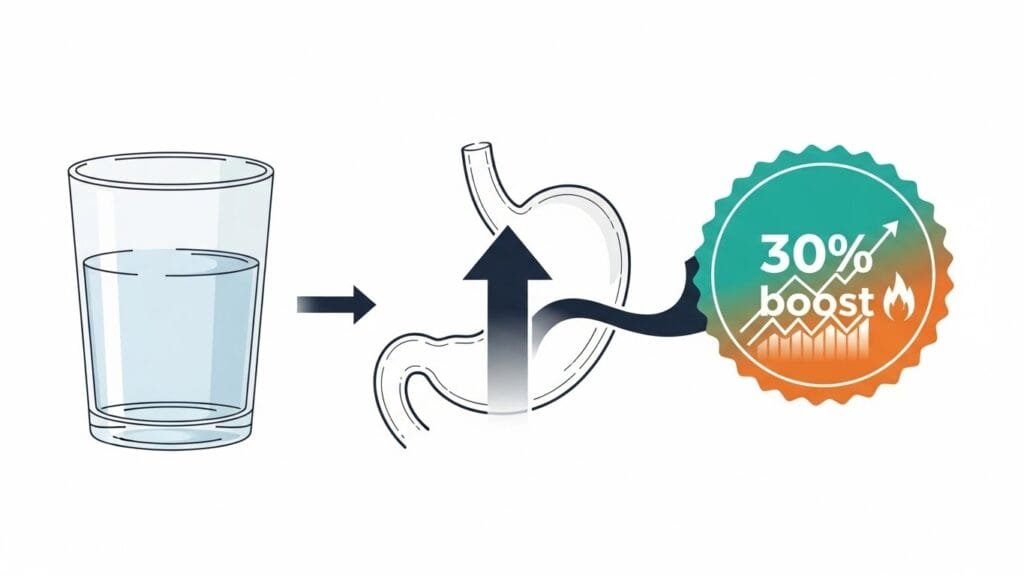
Here’s something that really caught my attention when I first learned about it: drinking water can actually increase how many calories you burn. Research published in the Journal of Clinical Endocrinology and Metabolism found that drinking 500 milliliters of water increased metabolic rate by 30% in healthy adults. The boost kicked in within 10 minutes and reached a maximum after 30 to 40 minutes.
The lead researcher, Michael Boschmann and his team at Franz-Volhard Clinical Research Center, discovered that this effect lasted for more than an hour. Even more interesting, they found that about 40% of the thermogenic effect came from your body warming the water from 22°C to 37°C (roughly room temperature to body temperature).
The science behind this is called water-induced thermogenesis. When you drink water—especially if it’s cooler than body temperature—your body uses energy to warm it up. The rest of the calorie-burning effect comes from your sympathetic nervous system kicking into gear and activating certain receptors that ramp up metabolism.
This doesn’t mean water is a magic weight-loss solution, but it does support your body’s natural calorie-burning processes. A 2013 study examining water-induced thermogenesis estimated that increasing water intake by 1.5 liters per day, over and above normal intake, would boost daily energy expenditure by approximately 200 kilojoules. That’s roughly 50 calories, which might not sound like much, but it adds up over time.
Plus, many of us mistake thirst for hunger. A glass of water in the morning may help you feel fuller and make better food choices throughout the day. I’ve noticed that when I start my morning with water, I’m less likely to reach for sugary snacks mid-morning.
It Sharpens Your Brain and Mood
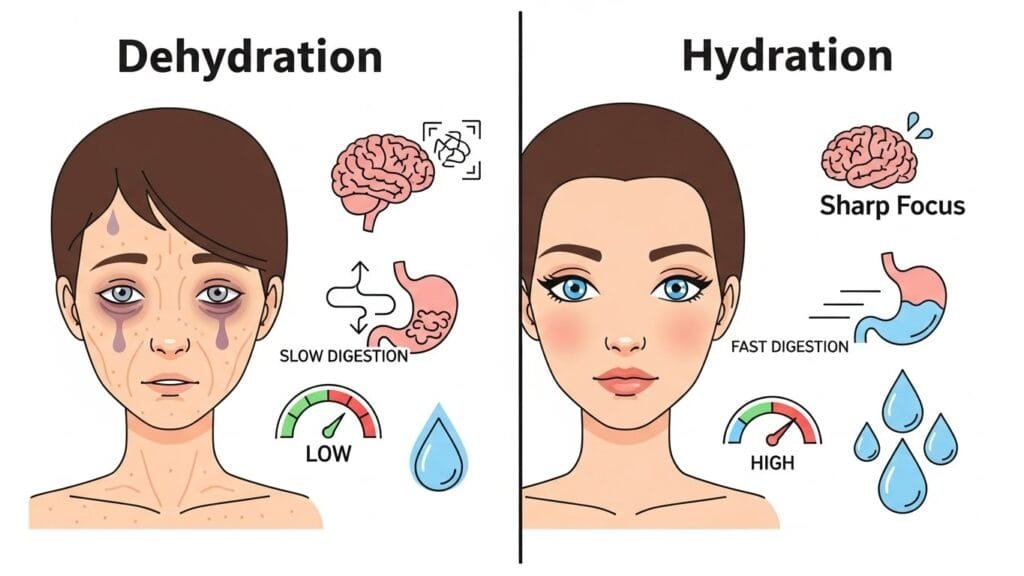
Ever notice how foggy your brain feels when you’re thirsty? That’s because dehydration directly impacts how well you think. Dr. Asher Rosinger, who directs the Water, Health, and Nutrition Laboratory at Pennsylvania State University, has spent years studying how hydration affects the brain and body.
His research published in the American Journal of Human Biology showed that adults who were dehydrated performed substantially worse on tasks requiring sustained attention compared to those who were properly hydrated. Dehydrated participants scored about two-thirds of a standard deviation lower on attention tests. That’s a pretty big drop in performance just from not drinking enough water.
The study defined dehydration as having a serum osmolality greater than 300 mOsm/kg—a measure of how concentrated particles are in your blood. When you’re dehydrated, your blood becomes more concentrated, which affects how well your brain cells communicate with each other.
What really stands out is that this wasn’t about extreme dehydration. These were regular adults going about their day with mild dehydration—the kind most of us experience without even realizing it. The researchers found that while dehydration significantly impaired sustained attention, it didn’t affect other cognitive measures like working memory or cognitive flexibility as much.
Other studies back this up. A 2019 study cited in reports found that dehydration negatively affected mood, and drinking water improved mood while reducing feelings of fatigue. Even mild dehydration can mess with short-term memory and focus, but these issues improve once people rehydrate.
Starting your day with water helps ensure your brain has the fluids it needs to think clearly, stay alert, and maintain a positive mood. You’re essentially giving your neurons the environment they need to fire properly.
It Supports Digestion and Detoxification
Water plays a huge role in how well your digestive system works. Drinking water in the morning activates your digestive tract and prepares your stomach for the day’s meals. It also helps your body produce gastric juices, which are essential for breaking down food efficiently.
Think about it: your digestive system has been on pause while you slept. Introducing water first thing signals to your gut that it’s time to wake up and get ready for work. Water assists in breaking down macronutrients and aids in their passage through the intestinal walls for absorption into the bloodstream.
Beyond digestion, water supports your kidneys and liver—two organs that work around the clock to filter out toxins and waste products. During sleep, your body accumulates waste that needs to be flushed out. Drinking water helps your kidneys do this job more effectively. A well-hydrated body eliminates waste more efficiently, which can reduce issues like constipation and bloating.
Research examining hydration for health supports the idea that adequate hydration benefits kidney function. The study noted that drinking enough water to produce a generous volume of diluted urine is associated with both short-term and long-term health benefits, especially for kidney and metabolic function.
Some people swear by drinking warm water in the morning to enhance this detoxification process even further. While the temperature debate continues, what matters most is that you’re getting water into your system. Warm water may feel more soothing on your stomach and could help break down foods faster, but cold water offers that slight metabolic boost we talked about earlier.
Digestive Benefits of Morning Water
Drinking water first thing in the morning stimulates your digestive system and provides numerous health benefits. Click on any column header to sort the table.
| Digestive Benefit | How Morning Water Helps |
|---|
It Benefits Your Whole Body System
Beyond brain function and metabolism, staying hydrated impacts nearly every system in your body. Your cardiovascular system relies on adequate water intake to function properly. A 2019 study found that dehydration and insufficient water intake negatively affected blood pressure regulation and vascular function.
When you’re dehydrated, your blood volume decreases, which means your heart has to work harder to pump blood throughout your body. This can lead to increased heart rate and blood pressure fluctuations. Starting your day hydrated helps your cardiovascular system operate efficiently from the get-go.
Water also plays a key role in joint health. It’s a component of the lubricating fluid around your joints, which can help relieve joint pain and keep movement smooth. If you’ve ever felt stiff in the morning, dehydration might be part of the problem. Drinking water helps maintain the synovial fluid that cushions your joints.
Your urinary tract benefits too—drinking plenty of fluids helps maintain urinary tract health and can help prevent recurrent urinary tract infections. When you’re well-hydrated, you flush out bacteria more regularly, giving harmful microbes less time to multiply and cause problems.
Even your breath gets a boost. While you sleep, bacteria can build up in your mouth, leading to that unpleasant morning breath. Drinking water in the morning helps wash away some of these bacteria, eases dryness, and dilutes compounds that cause odor. It’s not a replacement for brushing your teeth, but it’s a good start.
Practical Tips for Making Morning Hydration a Habit
Knowing the benefits is one thing, but actually building the habit is another. Here’s what’s worked for me and what experts recommend:
Start small and build up. If you’re new to drinking water first thing, don’t force yourself to chug a liter right away. Start with one glass (about 8 ounces) and see how you feel. You can always increase your intake as it becomes more natural. The goal is to make this a sustainable habit, not a chore.
Keep water visible and accessible. I keep a glass of water on my nightstand every night. When I wake up, it’s right there—no excuses. Some people prefer a reusable water bottle in the kitchen where they’ll see it while making coffee. The key is removing barriers between you and that morning hydration.
Find your ideal temperature. Some people love ice-cold water, while others prefer room temperature or even warm water. Dr. Harris recommends a moderate amount—about 8 to 16 ounces—to rehydrate after sleeping without overloading your bladder. Experiment to find what feels best for your body.
Pair it with an existing habit. Habit stacking is a powerful technique. If you already have a morning routine—like brushing your teeth or making coffee—add drinking water right before or after that established habit. For example, “After I turn off my alarm, I drink a glass of water.”
Listen to your body. Sipping gradually prevents bloating and discomfort. You don’t need to race through your water. Take your time and let your body absorb it. If you feel uncomfortable or too full, you might be drinking too much too fast.
Morning Water Drinking Tips
Practical recommendations for incorporating morning water into your routine. Click on any column header to sort the table.
| Tip | Details |
|---|
Common Myths and Misconceptions
There’s a lot of misinformation floating around about drinking water in the morning. Let’s clear up a few common myths:
Myth: You need to drink a gallon of water first thing. This is overkill and could actually make you feel sick. Your body can only process so much water at once. Stick to 8–16 ounces to start.
Myth: It has to be warm or hot water to “detox.” While warm water might feel soothing and could aid digestion for some people, there’s no scientific evidence that it’s superior for detoxification. Your liver and kidneys handle detoxification regardless of water temperature.
Myth: Drinking water on an empty stomach is dangerous. This is completely false. Your stomach is designed to handle water at any time. In fact, drinking water before eating can help prepare your digestive system.
Myth: It will flush out all your nutrients. Drinking a reasonable amount of water won’t wash away vitamins and minerals. In fact, proper hydration helps your body absorb nutrients more effectively.
Myth: Coffee or tea counts the same as water. While coffee and tea do contribute to your daily fluid intake, they also contain caffeine, which has a mild diuretic effect. Plain water is the best choice for rehydration first thing in the morning.
Who Benefits Most from This Habit?
While pretty much everyone can benefit from morning hydration, certain groups might notice even bigger improvements:
People who exercise in the morning need to start hydrated. If you hit the gym or go for a run first thing, drinking water beforehand helps ensure your performance isn’t compromised by dehydration.
Older adults are at higher risk for dehydration because the sensation of thirst decreases with age. Building a morning water habit helps ensure adequate hydration regardless of thirst cues.
People with digestive issues like constipation often find that morning water helps get things moving. It’s a gentle, natural way to support regular bowel movements.
Anyone prone to headaches might find relief. Dehydration is a common headache trigger, and staying ahead of it can prevent that morning fog and head pain.
People trying to manage their weight can benefit from the metabolic boost and appetite-regulating effects of drinking water before meals.
The Science of Hydration Throughout the Day
While we’re focusing on morning water, it’s worth noting that hydration is a whole-day commitment. The water you drink first thing sets a positive tone, but you’ll want to keep sipping throughout the day to maintain optimal hydration levels.
Most adults need around eight 8-ounce glasses daily (about 2 liters), though individual needs vary based on activity level, climate, and body size. If you exercise heavily or live in a hot climate, you’ll need more. If you’re pregnant or breastfeeding, your needs increase as well.
A good rule of thumb: check your urine color. If it’s pale yellow or clear, you’re well-hydrated. Dark yellow or amber suggests you need more fluids. This simple visual check gives you instant feedback about your hydration status.
Dr. Rosinger’s research examines how humans meet their water needs across different environments and circumstances. His work with indigenous populations in the Bolivian Amazon and data from U.S. national surveys shows that water intake patterns vary widely, but adequate hydration consistently supports better health outcomes.
How Morning Water Fits Into Overall Wellness
Let’s zoom out for a moment. Drinking water first thing is part of a larger picture of wellness. It’s not going to magically transform your health if the rest of your habits are problematic, but it’s an easy, foundational practice that supports everything else you do.
Think of it as the first domino in a chain reaction of healthy choices. When you start your day by doing something good for your body, you’re more likely to make other positive choices. You might choose a nutritious breakfast, take the stairs instead of the elevator, or go for that walk you’ve been meaning to take.
This is backed by research in habit formation. Small wins early in the day build momentum and confidence. They activate what psychologists call a “positive feedback loop”—success breeds more success.
Plus, there’s something empowering about taking control of your health with such a simple action. You don’t need equipment, a gym membership, or expensive supplements. Just water and a commitment to yourself.
Addressing Concerns and Special Situations
What if I don’t feel thirsty in the morning? That’s actually common. Thirst signals aren’t always reliable, especially first thing. Drink anyway—your body needs the hydration even if you don’t feel parched.
What if I need to use the bathroom a lot? This usually settles down as your body adjusts. If frequent urination persists, check with your doctor to rule out other issues like diabetes or overactive bladder.
Can I add lemon or other flavors? Absolutely. A squeeze of lemon can make water more appealing and adds a small amount of vitamin C. Just avoid adding sugar or artificial sweeteners, which can undermine the benefits.
What about people with kidney problems? If you have kidney disease or are on fluid restrictions, talk to your doctor before changing your water intake. For most people, the kidneys are very good at regulating fluid balance, but certain medical conditions require special consideration.
Should I drink water before or after brushing my teeth? This is mostly personal preference. Some people prefer drinking water before brushing to rinse away bacteria. Others prefer after. Either way works fine.
The Bigger Picture on Hydration
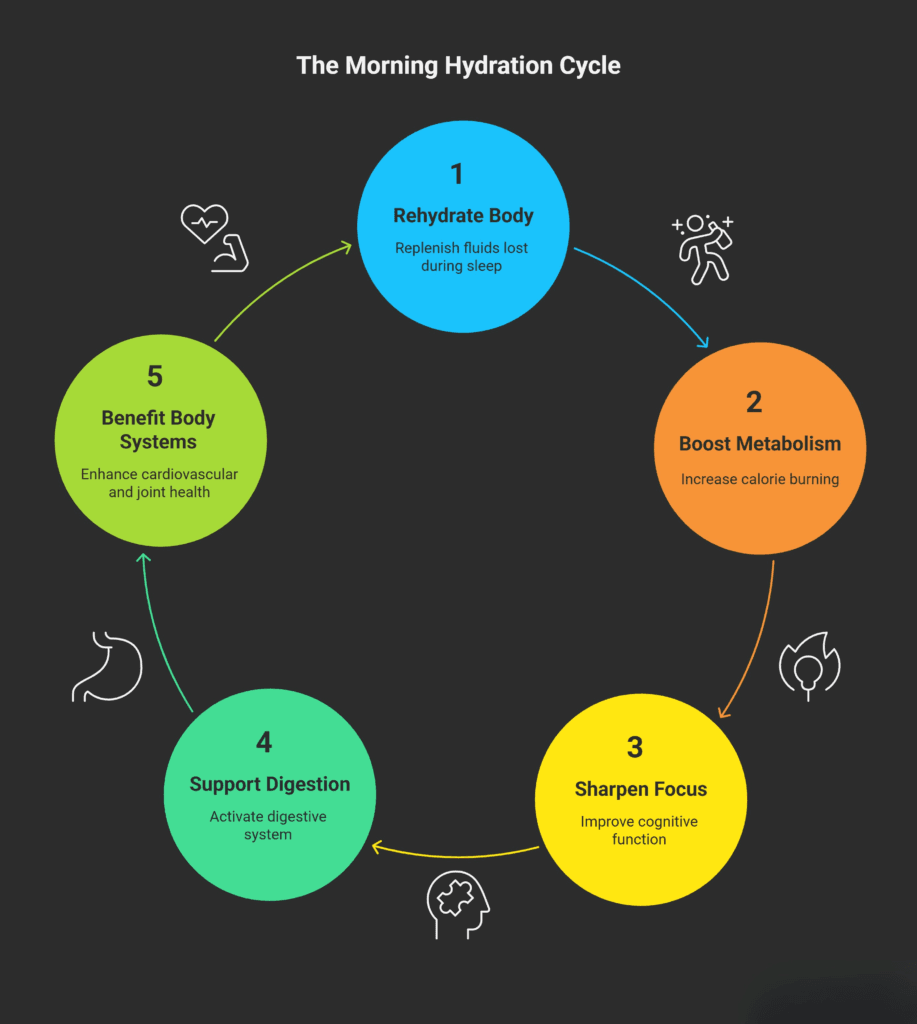
Drinking water in the morning isn’t a cure-all, but it’s a simple, science-backed habit that supports your overall health. From boosting metabolism and sharpening focus to aiding digestion and supporting kidney function, the benefits add up quickly. You’re giving your body exactly what it needs after hours without fluids.
The research is clear: even mild dehydration affects how you think, feel, and function. By making morning hydration a non-negotiable part of your routine, you’re setting yourself up for better energy, clearer thinking, and improved physical performance.
Remember, consistency matters more than perfection. If you forget one morning, don’t stress—just pick it back up the next day. Over time, it’ll become as automatic as brushing your teeth.
So tomorrow morning, before you reach for coffee or breakfast, grab a glass of water. Your body—and your brain—will thank you for it. It’s one of the easiest health habits you can build, and the science shows it really does make a difference.
Whether you’re trying to improve your metabolism, enhance your mental clarity, support your digestive health, or just feel better overall, this simple practice delivers results. And unlike trendy supplements or complicated wellness protocols, it’s free, accessible, and backed by solid research.
Give it a try for a week and see how you feel. Notice your energy levels, your mental clarity, and even your appetite. You might be surprised at how such a small change can ripple through your entire day. That’s the power of working with your body’s natural needs instead of against them.
This article is part of our 5 Powerful Small Daily Habits That Transform Your Life pillar guide, where we explore simple, realistic habits that compound over time to improve energy, focus, and overall well-being.
My Experience & Insights
When I first started digging into why drinking water first thing in the morning works, I honestly just wanted to confirm whether this popular habit was more than a wellness trend. The turning point for me came when I stumbled upon Dr. Michael Boschmann’s research on water-induced thermogenesis, which showed that drinking about 500 ml of water can temporarily boost metabolic rate by roughly 30% in healthy adults. This increase started within 10 minutes and peaked around 30–40 minutes after drinking.
What really caught my attention wasn’t just the percentage—it was the mechanism. Your body actually burns calories to warm cold or room-temperature water up to your core body temperature of 37°C (98.6°F). That’s when the lightbulb went off: this wasn’t just about hydration or “flushing toxins.” There was real, measurable thermogenesis happening every time someone took a sip.
From there, I went down the hydration rabbit hole. I spent time reading work from researchers like Dr. Asher Rosinger at Penn State, who studies how even mild dehydration affects attention and cognitive performance. What stood out most was how small, everyday choices—like a glass of water before coffee—can have measurable effects on things we usually blame on “being tired” or “just not a morning person.”
But here’s the problem I kept running into: the science talks about energy expenditure in kilojoules, thermogenic effects in percentages, and metabolic rates in abstract terms. It’s hard to picture what any of that actually means in your daily routine. So I decided to build something that could translate the research into numbers you can actually relate to.
That’s why I created the Water & Metabolism Calculator for my site. It’s a simple, research-based tool that estimates the energy your body uses to warm drinking water to body temperature. Here’s how it works:
What You Input:
- Water amount (in milliliters)
- Water temperature (cold at 4°C, cool at 10°C, room temp at 22°C, or warm at 40°C)
- Daily consumption (how many times per day you drink water)
- Body temperature (fixed at 37°C for standardized calculations)
What You Get:
- Calories burned per serving (the energy used to warm that water)
- Thermic effect level (whether it’s minimal, moderate, or significant)
- Weekly estimate (cumulative calories over a week)
- Yearly estimate (projected annual energy expenditure)
For example, If you drink 500 ml of room-temperature water (22°C) twice a day, your body uses about 1.8 kcal per serving to warm it to body temperature. That equals roughly 3.6 kcal daily, 25 kcal weekly, and about 1,314 kcal per year.
Now, let me be clear: I didn’t build this to sell water as a weight-loss hack. The science doesn’t support that, and I include a disclaimer right in the calculator that makes this point. The calorie impact is minimal and should never be viewed as a primary weight-loss strategy. What I wanted was a way to show people the cumulative metabolic effect of a habit they’re already doing (or thinking about starting).
What surprised me most when testing different scenarios was how the temperature variable mattered. Cold water (4°C) requires significantly more energy to warm than room-temperature water, which aligns with what Boschmann and his team found—about 40% of the thermogenic effect comes specifically from warming the water. But even at room temperature, your body is still doing work, and when you look at weeks or months, those tiny energy expenditures add up in a way that’s easy to underestimate.
The calculator also helped me understand something more practical: consistency beats intensity. Drinking one giant glass of ice water isn’t necessarily better than sipping moderate amounts of cool or room-temperature water throughout the day. The research suggests repeated, smaller doses of water create more sustained metabolic activity than one big chug.
If you’re curious about your own numbers, I’d encourage you to plug in your typical water routine and see what comes out. You can experiment with temperature, frequency, and amount to see how different patterns compare. It’s not about chasing calories—it’s about understanding how this simple habit fits into the bigger metabolic picture, especially when combined with other basics like sleep, movement, and balanced nutrition.
One thing I’ve learned from building this tool and reading the research behind it: morning hydration isn’t a miracle cure, but it’s a meaningful nudge in the right direction. When people can visualize what’s happening in their body—even in small, incremental ways—they tend to treat those “tiny” habits with a lot more respect. And that’s really the point: not to make water sound magical, but to give it the credit it deserves based on what the science actually shows.
Water & Metabolism Calculator
Estimate the energy your body uses to warm drinking water to body temperature.
Water Details
Daily Consumption
Estimated Energy Use
Science Insight
Drinking water slightly increases energy expenditure because your body warms the water to body temperature. This effect is known as water-induced thermogenesis and contributes only a small number of calories.
Based on published research on water-induced thermogenesis. Individual responses vary depending on metabolism, body composition, and hydration status.
Important Disclaimer
This calculator provides an educational estimate of energy used to warm drinking water. The calorie impact is minimal and should not be considered a weight-loss or medical tool. Water-induced thermogenesis is a small, temporary metabolic effect.
Frequently Asked Questions
How much water should I drink first thing in the morning?
Most experts recommend drinking 8 to 16 ounces (about 1 to 2 glasses) of water when you first wake up. Dr. Shelby Harris, a behavioral sleep medicine specialist, suggests this amount is enough to rehydrate your body after sleep without overloading your bladder or causing discomfort. Start with one glass if you’re new to this habit and gradually increase based on how your body responds. Listen to your body—if you feel bloated or uncomfortable, you might be drinking too much too quickly.
Is it better to drink cold or warm water in the morning?
Both temperatures offer benefits, so choose what feels best for you. Cold water (around 4°C) increases calorie burn because your body uses more energy to warm it to body temperature—about 40% of the thermogenic effect comes from this warming process. However, warm water may feel gentler on your digestive system and some people find it more soothing first thing in the morning. Room temperature water strikes a nice middle ground, providing modest metabolic benefits without shocking your system. The most important factor isn’t temperature—it’s consistency in making hydration part of your morning routine.
Should I drink water before or after brushing my teeth?
You can drink water either before or after brushing your teeth—both approaches work fine. Some people prefer drinking water before brushing because it helps rinse away bacteria that accumulated overnight in your mouth. Others prefer brushing first to feel fresher before hydrating. Drinking water in the morning helps wash away bacteria and reduces dry mouth regardless of when you brush. The key is making sure you do both as part of your morning routine. If you’re adding lemon to your water, it’s actually better to drink it before brushing, then wait 30 minutes before brushing to protect your tooth enamel from citric acid.
Does drinking water in the morning really help with weight loss?
Drinking water in the morning supports weight management but isn’t a magic weight-loss solution by itself. Research shows that drinking 500ml of water increases metabolic rate by 30% for about an hour, which translates to a small calorie burn. More importantly, morning hydration helps you distinguish between thirst and hunger—many people mistake dehydration for hunger and end up eating when their body actually needs water. A 2013 study on water-induced thermogenesis estimated that increasing water intake by 1.5 liters daily could boost energy expenditure by approximately 200 kilojoules (about 50 calories). While this isn’t dramatic, it’s part of a bigger picture that includes better appetite regulation, improved digestion, and enhanced energy levels—all of which support healthy weight management when combined with good nutrition and regular movement.
Can drinking too much water in the morning be harmful?
Yes, drinking excessive amounts of water too quickly can be uncomfortable or, in rare cases, harmful. Drinking 1 to 2 glasses (8-16 ounces) is safe for most people, but chugging a liter or more in a short time can lead to bloating, nausea, or frequent bathroom trips. In extreme cases, drinking too much water too fast can cause hyponatremia (low blood sodium), though this is very rare and typically only happens when someone drinks several liters in a short period. If you have kidney disease, heart problems, or are on medications that affect fluid balance, talk to your doctor before significantly increasing your water intake. For healthy individuals, sipping water gradually throughout the morning is the safest approach—your body can only absorb so much water at once, so pacing yourself prevents discomfort.
How long does it take to see benefits from drinking water every morning?
Many people notice immediate benefits within the first few days, while other effects become more apparent over weeks. You might feel more alert and less groggy within 10 to 30 minutes of drinking water as your body rehydrates and your metabolic rate increases. Cognitive benefits like improved focus and attention can kick in quickly once dehydration is corrected. Digestive improvements, like more regular bowel movements and reduced bloating, typically become noticeable within 3 to 7 days of consistent morning hydration. Longer-term benefits—like sustained energy levels, clearer skin, and better overall health markers—generally emerge after 2 to 4 weeks of making this a daily habit. The key word is “consistent.” Your body responds best to routines, so try to drink water at roughly the same time each morning for at least 21 days to fully establish the habit and experience cumulative benefits.
💊 Do not rely solely on online content for diagnosis or treatment.
📜 Information here is provided “as is” without any warranties.