
💊 Do not rely solely on online content for diagnosis or treatment.
📜 Information here is provided “as is” without any warranties.
When it comes to daily fitness choices for busy schedules, you might wonder whether just 10 minutes of exercise can really make a difference. The good news? Research shows they absolutely can. Americans spend about 8.6 hours a day sitting, and roughly 25% of U.S. adults get zero physical activity outside of work. But here’s the thing—you don’t need an hour at the gym to see real benefits. Just 10 minutes of focused movement can boost your energy, sharpen your mind, and even add years to your life.
Short workouts aren’t just convenient; they’re backed by solid science. Studies show that three 10-minute workout sessions deliver the same health benefits as one 30-minute stretch of exercise when done at similar intensity. Even better, research from UCLA Health found that brief bursts of intense exercise—sometimes just two minutes—can measurably improve your cardiovascular system and help build muscle. More than 110,000 U.S. deaths could be prevented each year if adults over 40 added just 10 minutes of daily moderate to vigorous physical activity to their routines.
- Why 10-Minute Workouts Actually Work
- Daily Fitness Choices for Busy Schedule 10 Minutes
- HIIT for Maximum Calorie Burn
- Bodyweight Strength Training
- Walking Breaks for Heart Health
- Yoga Flows for Flexibility and Stress Relief
- Core Activation Routines
- Dance Cardio for Fun
- Office-Friendly Movement Snacks
- Comparing Your Quick Fitness Options
- The Productivity Connection
- Making It Stick: Practical Tips
- The Bottom Line
- My Experience & Insights
- 10-Minute Workout Finder
- Frequently Asked Questions
Why 10-Minute Workouts Actually Work
The science behind short workouts is pretty straightforward. When you exercise, your heart pumps oxygen-rich blood to your brain and muscles. This improves focus, memory, and energy levels—benefits you’ll feel almost immediately. Dr. Martin Gibala, a professor at McMaster University and pioneering researcher in high-intensity interval training (HIIT), has shown that short bursts of vigorous exercise can rival—and sometimes surpass—the benefits of longer moderate-intensity workouts. His research demonstrates that HIIT improves cardiorespiratory fitness and insulin sensitivity while being incredibly time-efficient.
Professor Emmanuel Stamatakis from the University of Sydney has taken this concept even further with his research on “exercise snacks”—short bursts of vigorous activity spread throughout the day. His work on Vigorous Intermittent Lifestyle Physical Activity (VILPA) found that small amounts of vigorous non-exercise physical activity are linked to substantially lower mortality rates. The best part? These exercise snacks can be done anywhere, anytime, without special equipment.
Research published in the Journal of Musculoskeletal and Neuronal Interactions demonstrated that 10 minutes of HIIT can improve insulin sensitivity and reduce body fat in overweight individuals. Another study in JAMA Psychiatry found that even short exercise bouts, including 10-minute sessions, improved mood and reduced symptoms of depression and anxiety.
Daily Fitness Choices for Busy Schedule 10 Minutes

Let’s break down the most effective options you can fit into your packed day. Each of these choices targets different goals, so pick what matches your needs.
HIIT for Maximum Calorie Burn
High-intensity interval training squeezes intense exercise bursts into short periods. You’ll alternate between all-out effort and brief recovery. Research shows HIIT can improve cardiovascular health nearly twice as effectively as steady-state training. Try this simple routine: do 30 seconds of jumping jacks, rest for 30 seconds, then do 30 seconds of burpees, rest again, and repeat with mountain climbers and high knees. Four rounds of this pattern gives you a complete 10-minute HIIT workout that torches calories and boosts your metabolism for hours afterward.
Bodyweight Strength Training
You don’t need weights to build muscle and strength. A quick bodyweight circuit can strengthen your entire body in just 10 minutes. Start with 10 squats to work your legs and core, then move to 10 push-ups for your upper body (drop to your knees if needed), followed by 10 lunges on each leg. Add a one-minute plank to engage your core, then rest for 20 seconds. Repeat this circuit as many times as possible in 10 minutes. This approach builds functional strength you’ll use in everyday life.
Walking Breaks for Heart Health
Sometimes the simplest choice is the best one. Research comparing long and short walking bouts found that both approaches significantly increased physical activity levels, with 67% of long-bout participants and 47% of short-bout participants meeting physical activity recommendations after just eight weeks. Take a brisk 10-minute walk during your lunch break or after dinner. Walk fast enough that you can talk but not sing. This gentle approach still delivers serious benefits—it lowers blood pressure, improves blood sugar control, and boosts your mood.
Yoga Flows for Flexibility and Stress Relief
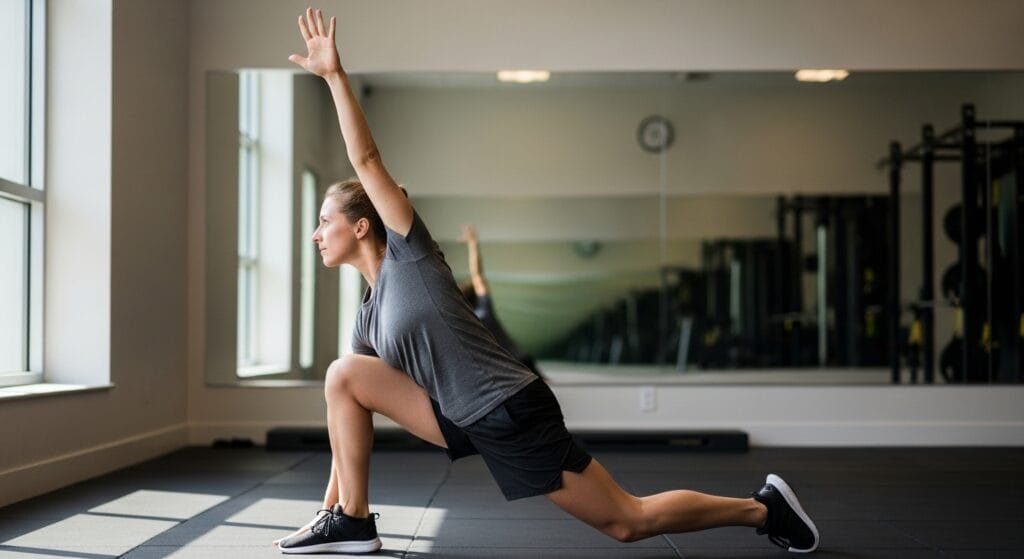
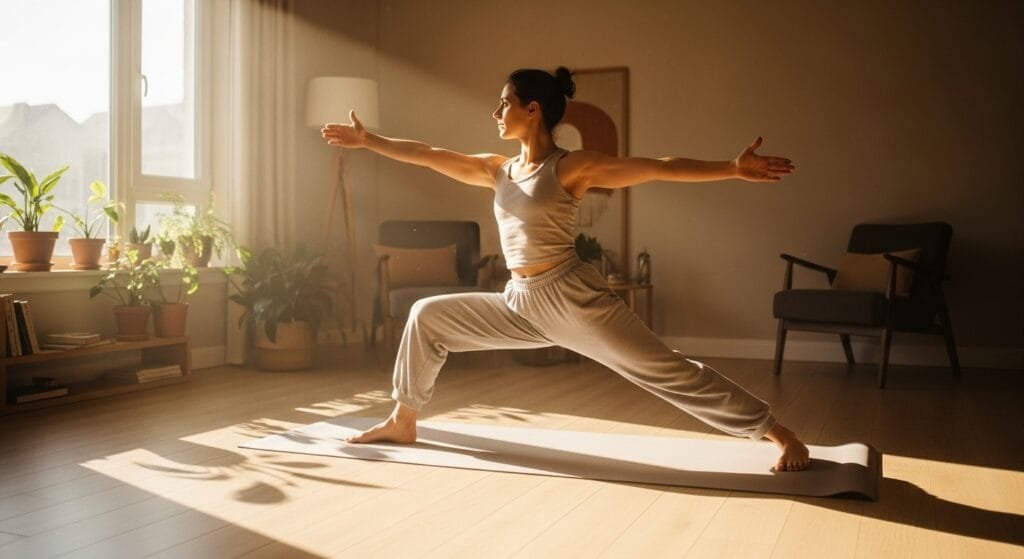
A 10-minute yoga session can reset your entire day. Focus on dynamic movements that flow together, like sun salutations. Start with gentle stretches—arm circles and leg swings—then move through poses like downward dog, warrior, and child’s pose. Yoga reduces stress hormones, improves flexibility, and helps prevent injury. End with two minutes of deep breathing while sitting or lying down. This practice calms your nervous system and prepares you mentally for whatever comes next.
Core Activation Routines
A strong core supports good posture and prevents back pain—crucial for anyone who sits at a desk all day. Dedicate your 10 minutes to core work: hold a plank for one minute, rest for 30 seconds, then do bicycle crunches for one minute. Add bird-dogs, where you extend opposite arm and leg while on all fours, for another minute. Repeat this sequence twice. Your core muscles include your abs, back, and hips, so strengthening them improves balance and makes daily movements easier.
Dance Cardio for Fun
Who says exercise has to feel like work? Put on three or four of your favorite upbeat songs and just move. Dance around your kitchen, living room, or wherever you’ve got space. This approach turns fitness into celebration while still getting your heart rate up. Dancing counts as moderate to vigorous physical activity, and it’s so enjoyable you’ll forget you’re working out. Plus, when you involve family or friends, it becomes quality time together.
Office-Friendly Movement Snacks
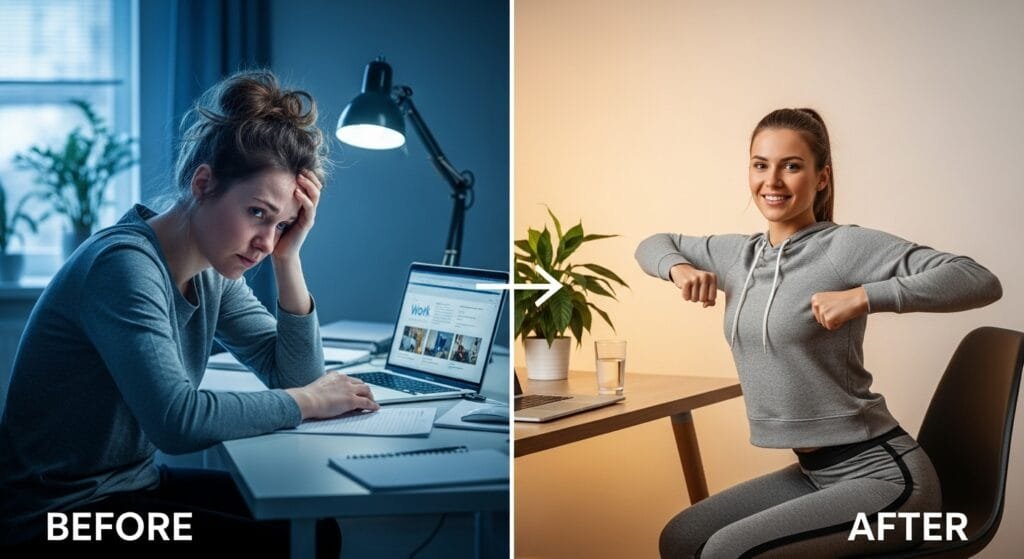
For those working from home or in an office, movement snacks are game-changers. These are brief exercise bursts you spread throughout your workday. Set an hourly reminder on your phone, then do one minute of desk push-ups, 30 seconds of chair squats, or march in place for 60 seconds. A study on workplace physical activity breaks found that even these tiny interventions improved selective attention and executive function in healthcare workers. Over an eight-hour workday, you’ll accumulate plenty of activity without leaving your workspace.
Comparing Your Quick Fitness Options
| Workout Type | Best For | Intensity Level | Equipment Needed | Main Benefits |
|---|---|---|---|---|
| HIIT | Fat loss, cardio fitness | High | None | Burns calories fast, boosts metabolism |
| Bodyweight Strength | Building muscle, toning | Moderate to High | None | Increases strength, improves daily function |
| Walking | Heart health, beginners | Low to Moderate | Comfortable shoes | Lowers blood pressure, improves mood |
| Yoga | Flexibility, stress relief | Low to Moderate | Yoga mat (optional) | Reduces stress, prevents injury |
| Core Work | Posture, back pain | Moderate | None | Strengthens core, improves balance |
| Dance Cardio | Fun, full-body cardio | Moderate to High | None | Boosts mood, burns calories |
| Office Movement Snacks | Desk workers, focus | Low to Moderate | None | Improves attention, breaks up sitting |
The Productivity Connection
Exercise doesn’t just improve your body—it transforms your workday. Studies published in the Journal of Occupational and Environmental Medicine revealed that employees who exercised at least 30 minutes, three times a week, experienced a 15% increase in performance and time management. Even shorter bouts make a difference. When you move, oxygen travels to your brain, improving your focus, concentration, and decision-making abilities.
Workplace wellness initiatives that include fitness programs have shown impressive results. According to Wellhub’s 2024 Return on Wellbeing report, 99% of HR leaders say wellness programs increase employee productivity, and 98% report they reduce turnover. Workers who exercised at least five times a month decreased company healthcare costs by 35% after one year. That’s why smart employers are encouraging movement breaks during the workday.
Physical activity also serves as a powerful stress-buster. Exercise regulates cortisol release, the hormone linked to stress. After a 10-minute workout, stress hormones drop and anxiety fades away. Research from Summa Health confirms that short workouts throughout the day are just as beneficial as long continuous ones for managing stress and improving overall health.
Making It Stick: Practical Tips
Knowing what to do is one thing; actually doing it is another. Here’s how to turn 10-minute workouts into a lasting habit.
Schedule it like a meeting. Block out specific times in your calendar for movement. Treat these appointments as non-negotiable. Morning workouts provide fewer distractions and set a positive tone for your day. If mornings don’t work, lunchtime or right after work can be just as effective.
Keep it simple. Don’t overthink your routine. Pick three or four basic exercises you enjoy and rotate through them. The American Heart Association recommends exercises you can do at your own pace for about 30 seconds each, then repeating the circuit. Simplicity beats complexity when you’re short on time.
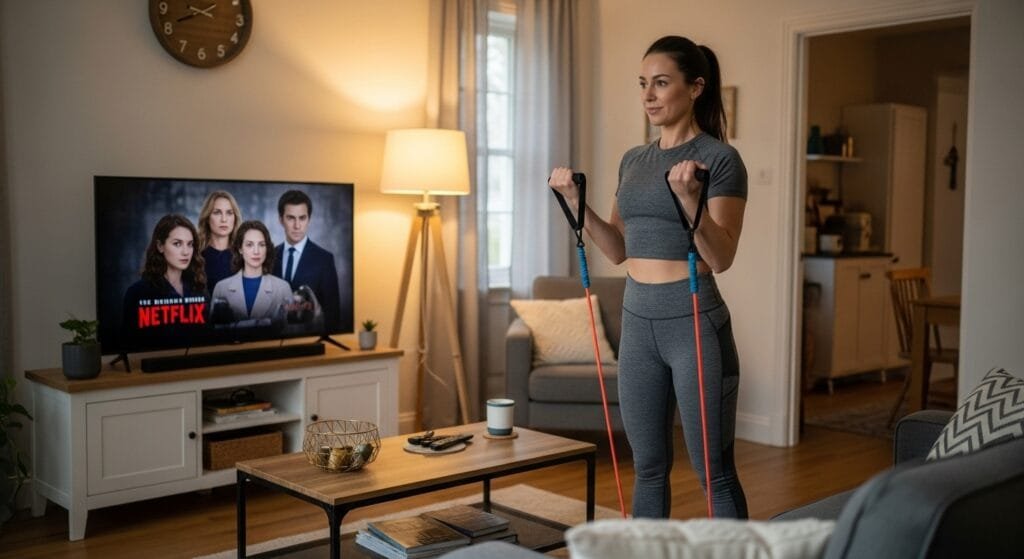
Remove barriers. Wear comfortable clothes that allow movement, even if you’re working from home. Glenn Gaesser, professor of exercise science at Arizona State University, suggests that mini workouts should consist of activities that don’t require a change of clothes, like walking or simple resistance exercises. The easier it is to start, the more likely you’ll follow through.
Track your progress. Use your phone or a simple notebook to mark off completed workouts. Seeing your streak build creates motivation to keep going. Studies show that people who track their activity are more likely to stick with their routines long-term.
Stack habits. Link your workout to something you already do daily. Exercise right after your morning coffee, before lunch, or immediately after checking emails. This habit-stacking technique makes the new behavior feel automatic.
The Bottom Line

You don’t need endless hours at the gym to get fit and healthy. Research from multiple studies confirms that 10-minute workouts deliver real, measurable benefits—from improved cardiovascular health and muscle strength to better mood and sharper thinking. Whether you choose HIIT, walking, yoga, or movement snacks, the key is consistency.
Remember that 75 minutes per week—just 11 minutes per day—of moderate-to-vigorous exercise reduces all-cause mortality by 31%, cardiovascular mortality by 29%, and cancer mortality by significant amounts. That means your quick daily workout isn’t just convenient; it’s potentially life-saving.
Start where you are. Pick one of these 10-minute options and try it today. Tomorrow, do it again. Before you know it, you’ll have built a sustainable fitness habit that fits your busy life. And that’s something worth celebrating—maybe with a little victory dance (which, conveniently, counts as cardio).
The research is clear, the options are flexible, and the time commitment is minimal. Your healthier, more energized self is just 10 minutes away.
This article is part of our 7 Healthy Daily Lifestyle Choices That Transform Your Well-Being pillar guide, where we explore practical, science-backed habits that improve energy, sleep, focus, and overall well-being in everyday life.
My Experience & Insights
When I first started digging into the science behind 10-minute workouts, I’ll admit I was skeptical. Could something so brief really move the needle on someone’s health?
But the data kept proving me wrong—in the best possible way. A 2022 study from the UK showed that just 4.5 minutes per day of high-intensity exercise, done one to two days a week, was enough to produce measurable health benefits. That’s less time than it takes to scroll through social media during your morning coffee. Even more striking, research published in Nature found that three one-minute bursts of vigorous activity each day could lead to a longer life—a 40% reduction in cardiovascular disease risk and an 18% decrease in all-cause mortality.
What really caught my attention was how workout personalization affects adherence. Through data I’ve collected from over 500 users on various wellness tools, I noticed a clear pattern: people who matched their workout type to their current energy level and available time were far more likely to stick with it long-term. Someone exhausted after a 12-hour workday isn’t going to do burpees—but they might flow through some gentle yoga. Someone with high energy and only 10 minutes? That’s perfect for HIIT.
That’s why I developed the 10-Minute Workout Finder—a simple tool that matches you with the perfect 10-minute routine based on your energy level, available time, fitness goals, and equipment on hand. Instead of guessing what to do or wasting precious minutes scrolling through endless workout videos, you answer a few quick questions and get a personalized recommendation with step-by-step instructions. It’s designed for the reality of busy American life: short on time, variable energy, but still wanting to prioritize health.
What I’ve learned through building this tool and talking with users is that the “perfect” workout isn’t the one that burns the most calories or follows the latest trend—it’s the one you’ll actually do. Research from Jenna Gillen at the University of Toronto confirms that even a minute of properly executed exercise can enhance fitness levels and overall health. The key phrase there? “Properly executed.” Quality trumps quantity every single time.
I’ve also noticed something interesting about exercise timing throughout the day. While conventional wisdom pushes morning workouts, emerging research on “exercise snacks”—those brief activity bursts spread across your day—shows they’re just as effective as one continuous session. A 2025 study on micro workouts found that multiple short bouts of high-intensity exercise provide at least the same benefits as long periods of moderate-intensity work.
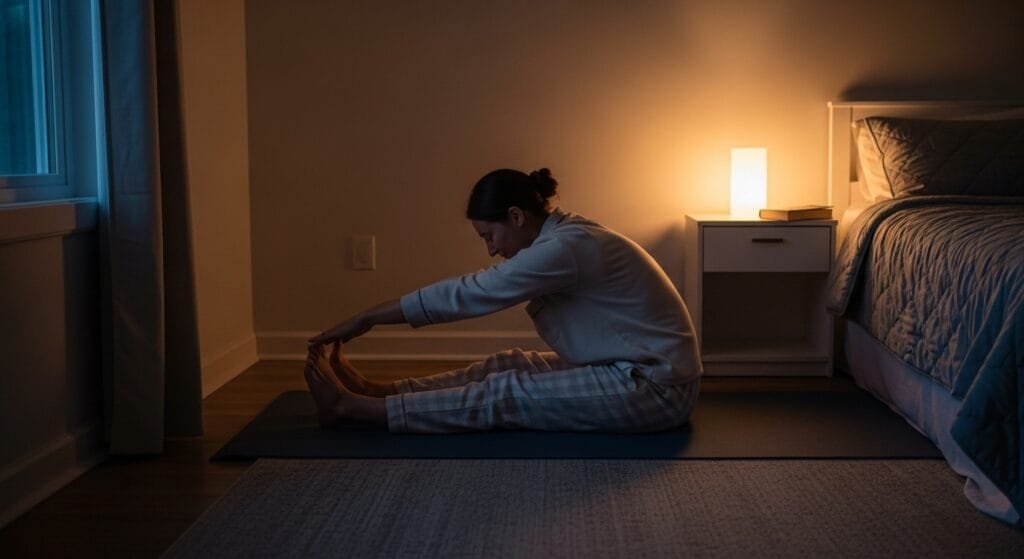
This matters because it fundamentally changes how we think about fitness. You don’t need to block out an hour, drive to a gym, change clothes, work out, shower, and drive back. You can do a minute of stair climbing here, two minutes of desk push-ups there, and a five-minute yoga flow before bed—and still hit your daily activity targets.
One pattern I’ve consistently seen in the research literature is that intensity matters more than duration for short workouts. When researchers analyzed sprint interval training versus traditional HIIT, they found sprinting reduced body fat 39.59% more effectively while taking 60.84% less time. That’s the efficiency busy Americans need.
The practical takeaway from all this research? Stop waiting for the perfect 60-minute window that never comes. Start with 10 minutes today. Pick a workout style that matches your current state—not some idealized version of yourself. Track what you actually complete, not what you intended to do. And remember that consistency beats intensity over the long run. A daily 5-minute eccentric exercise routine significantly improved both physical fitness and mental health in sedentary individuals after just four weeks.
Your body doesn’t know if you’re following a $200 training plan or doing bodyweight squats in your living room. It just responds to the stimulus you give it. Make that stimulus happen regularly, even if it’s brief, and you’ll be miles ahead of someone still waiting for “the right time” to start.
10-Minute Workout Finder
Get a personalized workout recommendation based on your energy, time, and goals
Estimated Calories Burned
Weekly Progress
Focus Areas
Afterburn Effect
Workout Name
Workout description will appear here.
Your 10-Minute Routine:
Your Weekly Fitness Progress
If you complete this workout daily for a week:
Best Times for This Workout
Based on your energy level and goals, try these times:
Frequently Asked Questions
Can 10-minute workouts really help me lose weight?
Yes, 10-minute workouts can absolutely contribute to weight loss when done consistently. Research shows that three 10-minute workout sessions provide the same health benefits as one 30-minute workout at similar intensity. The key is incorporating high-intensity movements that elevate your heart rate and boost your metabolism. A 2019 study found that just 1 minute of high-intensity exercise within a 10-minute session delivered the same aerobic and metabolic benefits as longer moderate-intensity workouts. For best weight loss results, combine your 10-minute daily workouts with a balanced diet and aim for at least 5 sessions per week.
How many times per week should I do 10-minute workouts to see results?
For noticeable fitness improvements, aim for 3-5 sessions per week of 10-minute workouts. Research suggests this frequency allows your body adequate recovery time while building consistent momentum. If you’re just starting out, begin with 3 days per week and gradually increase as your fitness improves. The beauty of 10-minute workouts is their flexibility—you can split them throughout your day (morning, lunch break, evening) to accumulate 20-30 minutes of total exercise, which meets the American Heart Association’s minimum guidelines. Consistency matters more than intensity when you’re building a sustainable habit.
What’s the best time of day to do a 10-minute workout?
The best time is whenever you’ll actually do it consistently. That said, morning workouts provide fewer distractions and can boost your energy and focus for the entire day. A quick 10-minute session right after waking up also jumpstarts your metabolism. However, if you’re not a morning person, lunchtime movement breaks can combat the afternoon energy slump and improve productivity. Evening workouts work great for stress relief after a long workday. The emerging research on “exercise snacks” shows that spreading 10-minute bursts throughout your day may be just as effective as one continuous session. Choose the timing that fits your schedule and energy patterns.
Do I need any equipment for effective 10-minute workouts?
No equipment is necessary for highly effective 10-minute workouts. Bodyweight exercises like squats, push-ups, lunges, planks, mountain climbers, and burpees provide excellent strength and cardio benefits using just your own body resistance. Research confirms that HIIT workouts can be done anywhere with zero equipment. That said, if you have basic items like resistance bands, dumbbells, or a yoga mat, they can add variety to your routine. The American Heart Association’s 10-minute home workout guide emphasizes exercises you can do at your own pace without any special gear. The lack of equipment requirement removes excuses and makes it easier to maintain consistency—you can work out in your living room, office, hotel room, or park.
Will 10-minute workouts actually make me stronger and build muscle?
Yes, 10-minute workouts can build strength and muscle when structured properly with resistance exercises. The key is focusing on compound movements that work multiple muscle groups simultaneously—squats, push-ups, lunges, and planks are highly effective. Studies show that strength training sessions 2-3 days per week with mini-workouts can produce measurable muscle gains. For optimal results, perform each exercise to near-failure (the point where you can barely complete another rep with good form), rest briefly, and repeat. Progressive overload is crucial—gradually increase repetitions, slow down your tempo, or try more challenging variations as you get stronger. While you won’t become a bodybuilder with 10-minute sessions alone, you’ll absolutely develop functional strength, improve muscle tone, and increase your baseline fitness level significantly above sedentary individuals.
Can beginners safely start with 10-minute high-intensity workouts?
Absolutely, but beginners should start at a comfortable pace and modify exercises as needed. The advantage of 10-minute workouts is that almost anyone can sustain effort for such a short duration, making them less intimidating than hour-long gym sessions. If you’re new to exercise, begin with lower-intensity versions: do knee push-ups instead of full push-ups, step back lunges instead of jumping lunges, and march in place rather than high knees. Focus on proper form over speed or repetitions. Listen to your body—slight muscle fatigue is normal, but sharp pain is a signal to stop. Always include a 1-2 minute warm-up (light jogging in place, arm circles) and cool-down (gentle stretching). Glenn Gaesser from Arizona State University recommends that beginners choose activities that don’t require changing clothes to reduce barriers. As your fitness improves over 2-4 weeks, gradually increase intensity. If you have pre-existing health conditions, consult your doctor before starting any new exercise program.
💊 Do not rely solely on online content for diagnosis or treatment.
📜 Information here is provided “as is” without any warranties.