

💊 Do not rely solely on online content for diagnosis or treatment.
📜 Information here is provided “as is” without any warranties.
Gut health habits can dramatically change how you feel each day, and the science behind this connection is pretty amazing. Your gut and brain constantly talk to each other through what researchers call the gut-brain axis, a two-way communication highway that affects everything from your emotions to your stress levels. About 90% of your body’s serotonin—the chemical that stabilizes your mood—is actually made in your gut, not your brain. That’s a huge deal when you’re trying to feel better naturally.
I’ve noticed more people asking about this connection lately, and for good reason. When your gut isn’t happy, your mood takes a hit. But the good news? Small, simple changes to how you eat and live can make a real difference.
Understanding the Gut-Brain Connection

The relationship between your digestive system and your mental state runs deeper than most of us realize. Dr. Benjamin Lebwohl, a gastroenterologist at NewYork-Presbyterian Columbia University Irving Medical Center, explains that the gut is sometimes called “the brain in the bowel,” reflecting the finding that we have a tremendous amount of neural activity originating from the gut.
This connection works through several pathways. The vagus nerve acts like a superhighway between your gut and brain, sending signals back and forth that influence your anxiety levels and overall mood. Your gut bacteria also produce neurotransmitters—chemical messengers like serotonin, dopamine, and GABA—that directly affect how you feel.
When your gut microbiome (that’s the community of bacteria living in your digestive tract) gets out of balance, it can trigger what scientists call dysbiosis. This imbalance has been linked to anxiety, depression, and even problems with thinking clearly. Basically, an unhealthy gut can mess with your mind.
Gut Health Habits That Make a Difference

Here are the habits that research shows can genuinely improve both your gut and your mood:
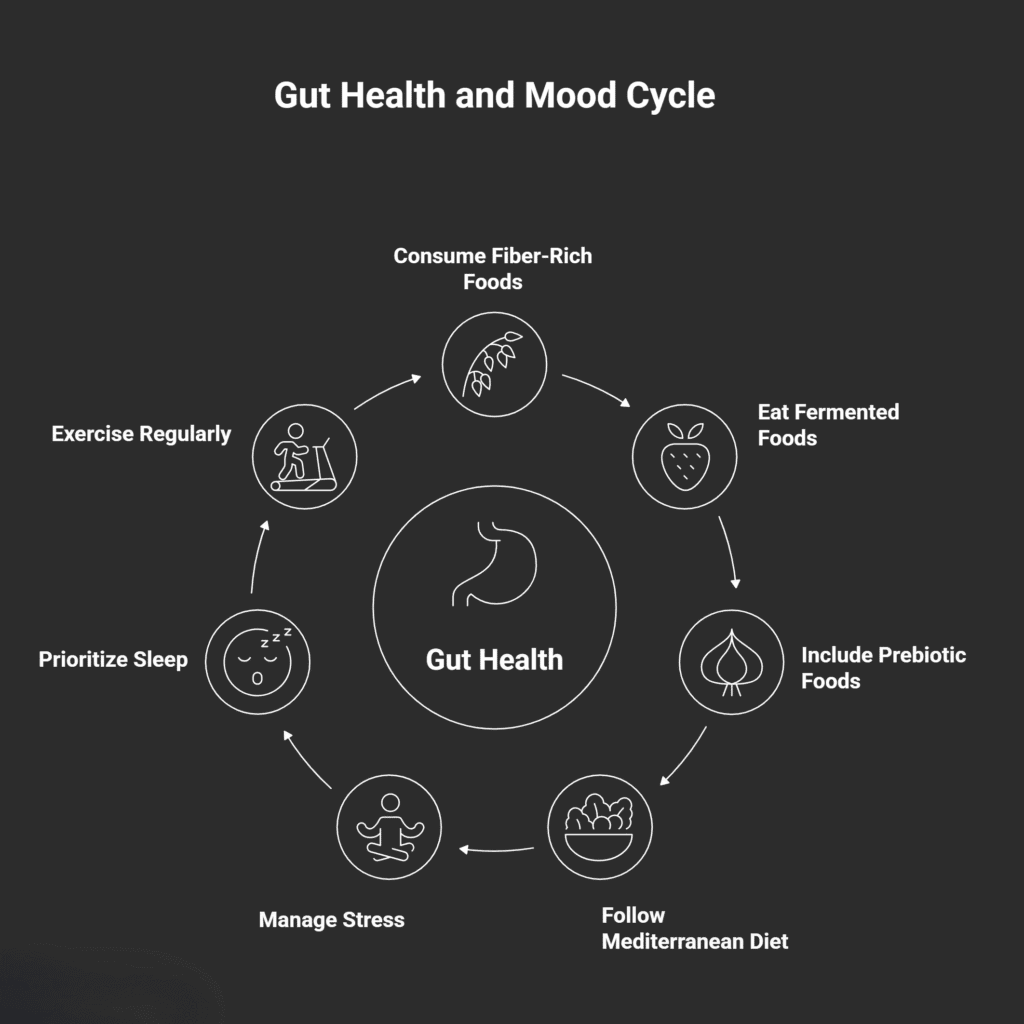
1. Load Up on Fiber-Rich Foods
Eating more dietary fiber does more than keep your digestion regular—it actually feeds the good bacteria in your gut. These bacteria break down fiber into short-chain fatty acids, which have anti-inflammatory properties that protect your brain and stabilize your emotions.
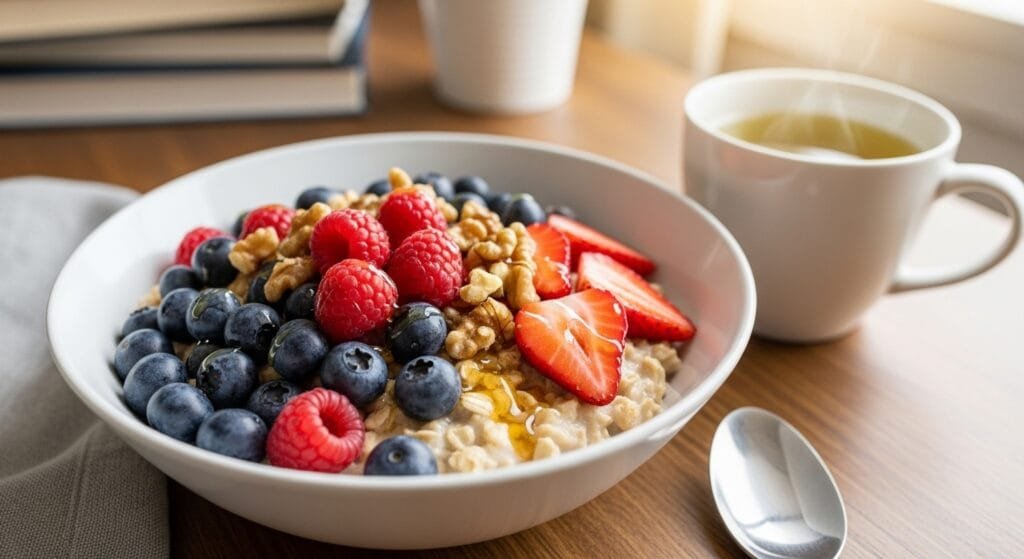
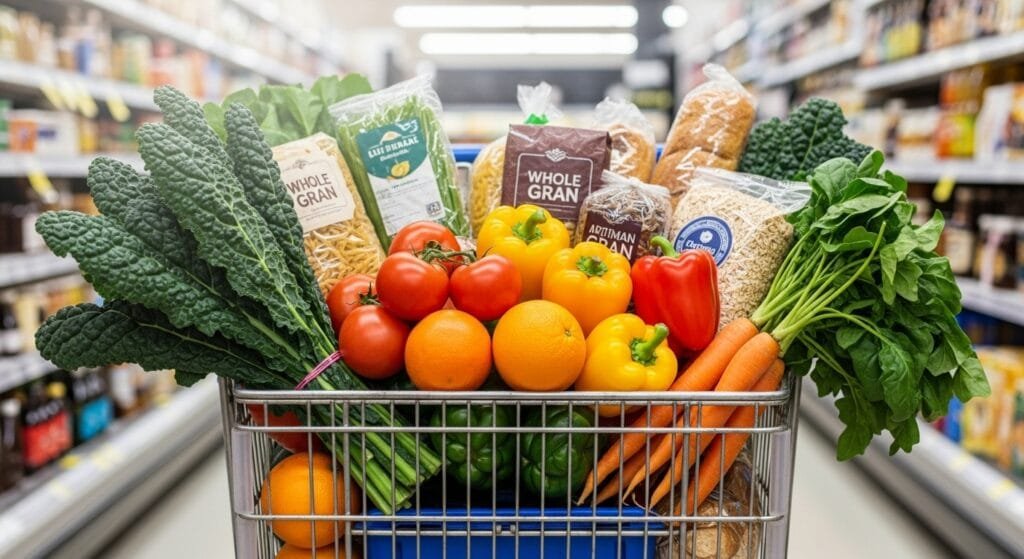
A big research review found that people who ate more fiber had lower rates of depression and anxiety. The sweet spot seems to be getting fiber from whole grains, fruits, vegetables, and legumes. Think oatmeal for breakfast, an apple as a snack, or black beans in your burrito.
2. Add Fermented Foods to Your Plate
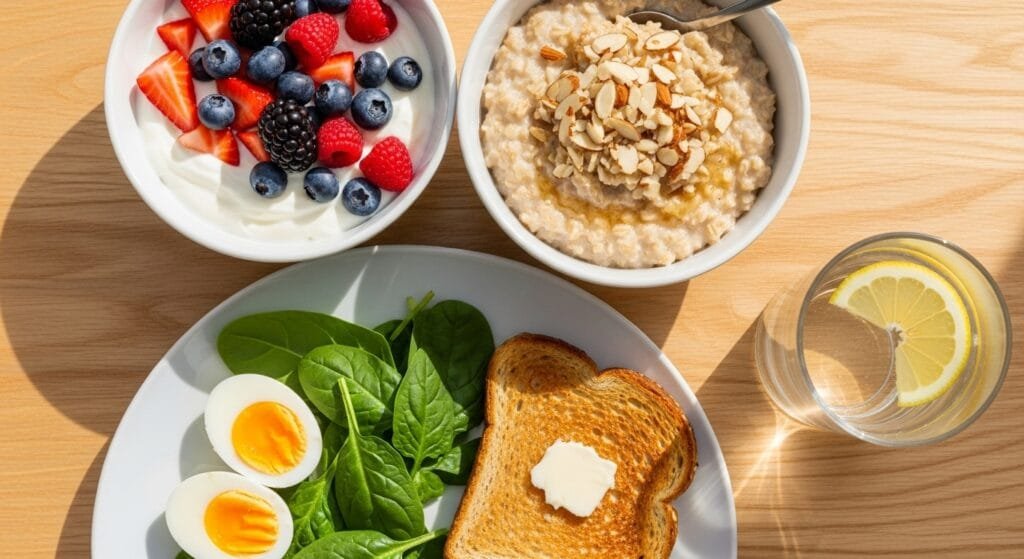
Fermented foods like yogurt, kefir, sauerkraut, and kimchi are packed with probiotics—live bacteria that boost your gut health. Dr. Susan Albers, a psychologist at Cleveland Clinic, notes that eating fermented foods is a powerful tool for nurturing your mental health by changing your microbiome. It releases beneficial bacteria into our gut that makes a good environment for creating neurotransmitters that help to boost our mood.
In one study, healthy adults who took a combination of Lactobacillus helveticus and Bifidobacterium longum for a month showed significant improvements in depression, anger, and anxiety compared to those who took a placebo. They even had lower levels of cortisol, the stress hormone.
3. Try Prebiotic Foods
While probiotics are the good bacteria themselves, prebiotics are the food that feeds them. Prebiotic fibers include foods like garlic, onions, leeks, asparagus, bananas, and oats.
Recent research showed that people who increased their intake of prebiotic fibers experienced improvements in their daily mood. The bacteria munch on these fibers and produce compounds that reduce inflammation throughout your body, including in your brain.
4. Follow a Mediterranean-Style Diet
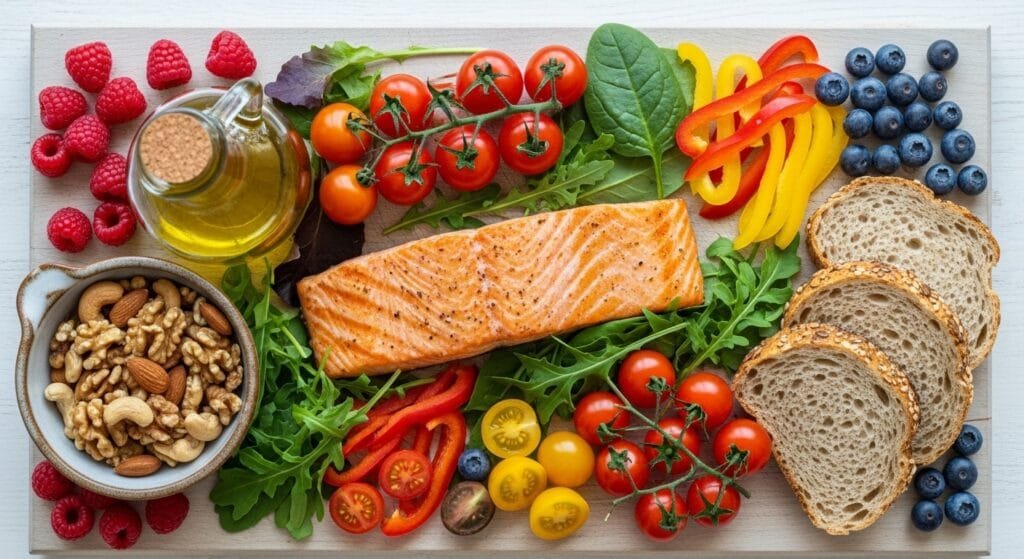
The Mediterranean diet—which emphasizes vegetables, fruits, whole grains, fish, olive oil, and nuts—has been consistently linked to better mental health outcomes. This eating pattern provides plenty of polyphenols, omega-3 fatty acids, and fiber that all support a healthy gut-brain axis.
Dr. Kirsten Berding, a nutritionist and postdoctoral researcher at APC Microbiome Ireland, has studied what she calls a “psychobiotic diet”—one high in prebiotic and fermented foods. In her research with Professor John Cryan, this type of diet decreased perceived stress levels by 32% compared to 17% in the control group.
5. Manage Stress Through Mindfulness
Here’s where things get circular: stress messes up your gut, and a messed-up gut increases your stress. Breaking this cycle requires intentional stress management. Practices like meditation, deep breathing, yoga, and even journaling can help regulate your nervous system and improve gut function.
When you’re chronically stressed, it disrupts the balance of bacteria in your gut and can lead to inflammation. Taking just 10 minutes a day to sit quietly, breathe deeply, or stretch can make a noticeable difference.
6. Prioritize Quality Sleep
Your gut bacteria actually follow a daily rhythm, just like you do. When your sleep gets disrupted, it throws off this rhythm and can lead to an unhealthy microbiome. Poor sleep has been linked to increased gut inflammation and changes in the types of bacteria that live there.
Aim for seven to nine hours of quality sleep each night. Keep your bedroom cool and dark, avoid screens before bed, and try to stick to a consistent sleep schedule—even on weekends.
7. Move Your Body Regularly
Physical activity promotes a diverse gut microbiome while also improving your mood through the release of endorphins. You don’t need to run marathons—even walking, light strength training, or gentle yoga helps.
Exercise increases gut motility (how quickly food moves through your system), reduces inflammation, and helps balance neurotransmitter production. The key is consistency, not intensity.
Comparing Different Approaches
Gut Health Improvement Methods
| Approach | How It Works | Expected Timeline | Best For |
|---|---|---|---|
| Fiber increase | Feeds beneficial gut bacteria; produces anti-inflammatory compounds | 2–4 weeks | People with low vegetable/whole grain intake |
| Fermented foods | Directly adds beneficial bacteria to gut | 3–4 weeks | Those with digestive issues or antibiotic use |
| Prebiotic foods | Nourishes existing good bacteria | 2–6 weeks | Anyone looking for sustainable gut support |
| Mediterranean diet | Comprehensive approach with multiple benefits | 4–8 weeks | Long-term mental health maintenance |
| Stress management | Reduces inflammation; balances nervous system | 1–2 weeks | High-stress individuals |
Why Individual Responses Vary
Not everyone responds the same way to these changes, and that’s completely normal. Your gut microbiome is as unique as your fingerprint. What works amazingly for your friend might take longer for you, or vice versa.
Factors that influence your response include your current microbiome composition, your diet history, stress levels, sleep quality, medications (especially antibiotics), and even your genetics. This is why researchers like Dr. Berding emphasize that individuals’ microbiomes are unique and respond differently to similar foods.
The most effective approach often combines several strategies rather than relying on just one. You might see better results by adding both fermented foods and fiber to your diet while also working on stress management, rather than just focusing on probiotics alone.
Putting It All Together
The link between what’s happening in your gut and how you feel emotionally is real and backed by solid science. Your digestive system isn’t just processing food—it’s producing neurotransmitters, communicating with your brain, and influencing your stress response.
Starting with one or two changes can set you on a better path. Maybe you add a serving of sauerkraut to your lunch or swap your afternoon snack for an apple with almond butter. Perhaps you commit to 10 minutes of deep breathing before bed.
These shifts don’t require a complete life overhaul. They’re small, manageable tweaks that feed your gut in ways that genuinely boost your mood. And unlike quick fixes or trendy supplements, these habits build a foundation for long-term mental and physical well-being.
Your gut and brain are partners in your health. When you take care of one, you’re taking care of both. That’s the power of understanding and improving your gut health habits—they offer a practical, natural way to feel better from the inside out.
This article is part of our 7 Nutrition Habits for Energy & Longevity That Actually Work pillar guide, where we break down simple, science-backed eating habits that support sustained energy, metabolic health, and long-term longevity.
My Experience & Insights
While researching the gut-brain connection for this article, I found myself diving deep into how people actually assess their own gut health. Most of the clinical tools out there are either too complex for everyday use or require lab work that’s expensive and time-consuming. The research community has made incredible progress—Mayo Clinic researchers developed a computational tool that achieved over 80% accuracy in differentiating healthy individuals from those with disease by analyzing microbiome profiles across more than 8,000 samples.
But here’s what struck me: most people don’t have access to stool microbiome sequencing or advanced biomarker testing. They just want to know if their daily habits are helping or hurting their gut health, and whether specific symptoms they’re experiencing might be connected to their digestive system.
That gap between research and real-world application got me thinking. I spent time reviewing validated gut health questionnaires used in academic studies—tools that assess things like digestion-associated quality of life, symptom frequency, and lifestyle factors. These questionnaires have gone through rigorous testing for reliability and validity, showing strong correlations between reported symptoms and actual health outcomes.
So I built something practical: a Gut Health Score Quiz that takes the evidence-based approach from research but makes it accessible in just two minutes. It asks about your diet habits (like how often you eat fiber-rich or fermented foods), your symptoms (bloating, irregular bowel movements, energy crashes), and lifestyle factors (stress levels, sleep quality, exercise frequency).
The quiz doesn’t replace medical advice, but it does give you a personalized score and three custom recommendations based on your responses. I designed it to reflect what the research shows matters most: dietary diversity, symptom patterns, and lifestyle consistency. The scoring system draws from principles used in microbiome wellness indices, which evaluate gut health by looking at multiple dimensions rather than single markers.
What I’ve learned from building this tool and talking to people who’ve used it is that awareness is the first step. Many folks don’t realize their afternoon energy slump or persistent bloating could be tied to their gut health habits. Once they see their score and understand which specific areas need attention—whether it’s adding more prebiotic foods, managing stress better, or improving sleep—they have a clear starting point.
The research is clear that gut microbiome composition varies significantly between individuals, which is why personalized recommendations matter more than generic advice. Your gut is unique, shaped by your diet history, where you live, your stress levels, and even your genetics. A quiz can’t capture everything a full microbiome analysis would, but it can highlight patterns and give you actionable next steps.
If you’re curious about where your gut health stands right now, I’d encourage you to try the quiz. It’s free, takes just a couple minutes, and gives you specific recommendations you can start implementing today. Sometimes the biggest challenge isn’t knowing what to do—it’s knowing where you actually are so you can make meaningful changes.
Gut Health Assessment
Discover your gut health score and get personalized recommendations based on your current habits and symptoms.
Your Gut Health Assessment
Frequently Asked Questions
How long does it take to improve gut health and see mood changes?
Most people start noticing subtle mood improvements within 2-4 weeks of consistently following gut health habits. Research shows that adding fermented foods to your diet can produce measurable changes in anxiety and stress levels within 3-4 weeks, while increasing fiber intake typically shows effects around the same timeline. However, your individual response depends on your starting point—if your gut is severely imbalanced, it might take 6-8 weeks to see significant changes. The key is consistency rather than perfection.
What are the best probiotic foods for anxiety and depression?
The most effective probiotic foods for mental health include yogurt with live cultures, kefir, sauerkraut, kimchi, kombucha, and miso. Look for products that contain specific strains like Lactobacillus helveticus and Bifidobacterium longum, which have been specifically studied for their mood-boosting effects. Yogurt and kefir are great if you tolerate dairy, while sauerkraut and kimchi work well for those who don’t. Start with small amounts—about 1-2 tablespoons of fermented vegetables or half a cup of yogurt daily—and gradually increase as your gut adjusts.
Can fixing my gut health replace antidepressants or therapy?
No, gut health improvements should complement—not replace—professional mental health treatment. While the gut-brain connection significantly impacts mood, clinical depression and anxiety disorders typically require comprehensive care that may include therapy, medication, or both. Think of gut health habits as a powerful support tool that can enhance your overall treatment plan. Always talk to your healthcare provider before making changes to prescribed medications, and consider working with both a mental health professional and a registered dietitian for the best results.
What gut health symptoms indicate I should see a doctor?
You should consult a doctor if you experience persistent or severe symptoms like blood in your stool, unexplained weight loss (more than 5% of your body weight), severe abdominal pain that doesn’t go away, chronic diarrhea lasting more than two weeks, or new digestive symptoms after age 50. Also see a healthcare provider if you have signs of dysbiosis that don’t improve with dietary changes after 4-6 weeks, such as constant bloating, extreme fatigue, brain fog, or mood changes that interfere with daily life. These could indicate conditions that need medical evaluation beyond lifestyle modifications.
Do I need expensive probiotic supplements or can food alone improve my gut and mood?
For most people, food sources provide everything needed to improve gut health and mood without supplements. Fermented foods offer diverse bacterial strains and beneficial compounds that supplements can’t fully replicate. Plus, whole foods come with fiber, polyphenols, and other nutrients that support your microbiome. That said, supplements can help in specific situations—like after antibiotic use, during high stress periods, or if you genuinely can’t tolerate fermented foods. If you do choose a supplement, look for multi-strain formulas with at least 10 billion CFUs and species-level identification on the label (not just “probiotic blend”).
Why does stress affect my gut so much, and how can I break the cycle?
Stress triggers your fight-or-flight response, which diverts blood and resources away from your digestive system and disrupts the balance of gut bacteria. This creates inflammation and changes in how your gut communicates with your brain through the vagus nerve. Meanwhile, an unhealthy gut sends distress signals back to your brain, increasing anxiety and making you more sensitive to stress—it becomes a vicious cycle. Breaking it requires a two-pronged approach: calm your nervous system through daily practices like deep breathing, meditation, or gentle movement (even 10 minutes helps), and simultaneously support your gut with fiber-rich and fermented foods. The combination works better than either approach alone because you’re addressing both sides of the gut-brain axis.
💊 Do not rely solely on online content for diagnosis or treatment.
📜 Information here is provided “as is” without any warranties.