


💊 Do not rely solely on online content for diagnosis or treatment.
📜 Information here is provided “as is” without any warranties.
When it comes to Habit Snacking vs. Dieting, most of us have been caught in the exhausting cycle of restriction and regain. I’ve watched friends yo-yo between crash diets and guilt-ridden binges, always chasing that next “magic solution.” But what if I told you there’s a better way—one that doesn’t involve willpower battles or forbidden food lists?
Traditional diets promise quick fixes but deliver frustration. Meanwhile, habit-based approaches like mindful snacking offer something different: lasting change without the drama. Let’s explore why building healthy eating habits might be the sustainable wellness strategy you’ve been searching for.
- Understanding Traditional Dieting
- What Is Habit Snacking?
- The Science Behind Habit Formation
- Why Diets Often Fail
- Habit Snacking vs. Dieting
- Dieting Approaches Comparison
- Building Sustainable Snacking Habits
- The Role of Self-Monitoring
- Psychological Strategies for Success
- Long-Term Health Benefits
- Overcoming Common Obstacles
- Making the Transition
- Creating Your Personal Habit Plan
- The Power of Community Support
- Embracing Flexibility
- Measuring Real Progress
- Why This Approach Works
- Your Sustainable Wellness Journey
- My Experience & Insights
- Habit Strength Score Calculator
- Frequently Asked Questions
Understanding Traditional Dieting
Traditional dieting typically means following strict rules about what, when, and how much you can eat. You count calories, cut out entire food groups, or follow meal plans that feel more like punishment than nourishment.
The problem? Research shows that only 5% of dieters maintain their weight loss after five years. That’s a 95% failure rate! Even more troubling, about 80% of people who lose weight end up yo-yo dieting—losing and regaining weight repeatedly.
This pattern happens because diets rely heavily on willpower and conscious control. You’re constantly fighting your natural impulses, which becomes exhausting over time. Most individuals fail in maintaining their weight loss due to this unsustainable approach.
What Is Habit Snacking?
Habit snacking isn’t about mindlessly munching throughout the day. Instead, it’s about creating automatic, healthy eating patterns that support your wellness goals without constant mental effort.
Dr. Wendy Wood, a psychology professor at the University of Southern California and leading habits researcher, explains that about 43% of our daily actions happen automatically—without conscious thought. When we build strong eating habits, healthy choices become our default response.
Habit snacking means:
- Keeping nutritious foods easily accessible
- Eating at regular, predictable times
- Choosing whole foods like fruits, vegetables, and nuts
- Paying attention to hunger and fullness cues
- Creating consistent eating routines
Research shows that when people develop strong habits for healthy eating, those behaviors feel automatic and require less effort to maintain over time.
The Science Behind Habit Formation
Here’s where things get interesting. Your brain is wired to create shortcuts. When you repeat a behavior in the same context and get rewarded (like feeling satisfied after eating), your brain builds a mental pathway. Do this enough times, and boom—you’ve got a habit.
Dr. Suzanne Phelan, a professor at California Polytechnic State University who researches behavioral weight control, found that people who successfully maintain weight loss show greater habit strength for healthy eating compared to those who struggle.
In her study of nearly 5,000 weight loss maintainers, Dr. Phelan discovered something powerful. Those who kept weight off long-term scored 5.3 out of 7 on healthy eating habit strength, while those with obesity scored just 3.2. The maintainers described their healthy eating as:
- Frequent and routine
- Something they do automatically
- Part of their daily life for a long time
- Feeling “weird” if they skip it
The key insight? Habit strength was significantly associated with longer duration of weight maintenance and less perceived effort needed to maintain a healthy weight.
Why Diets Often Fail
Let’s be honest—diets set us up for failure. They work against how our brains naturally function.
The Willpower Myth
We’ve been told that successful weight management requires iron willpower. But research by Dr. Wood reveals a surprising truth: people who score high on self-control don’t actually achieve success by practicing self-denial or white-knuckling through temptation. Instead, they’re skilled at forming habits that align with their goals.
Metabolic Consequences
Yo-yo dieting creates a cyclic pattern of weight loss and regain that can predispose people to obesity and metabolic problems. Studies show that a history of yo-yo dieting leads to higher body fat percentage and greater belly fat in most cases.
The Restriction-Binge Cycle
When you label foods as “forbidden,” you create psychological scarcity. That chocolate cake becomes irresistible simply because it’s off-limits. Eventually, willpower crumbles, and you overeat the very foods you tried to avoid. Then comes guilt, followed by more restriction—and the cycle continues.
Habit Snacking vs. Dieting
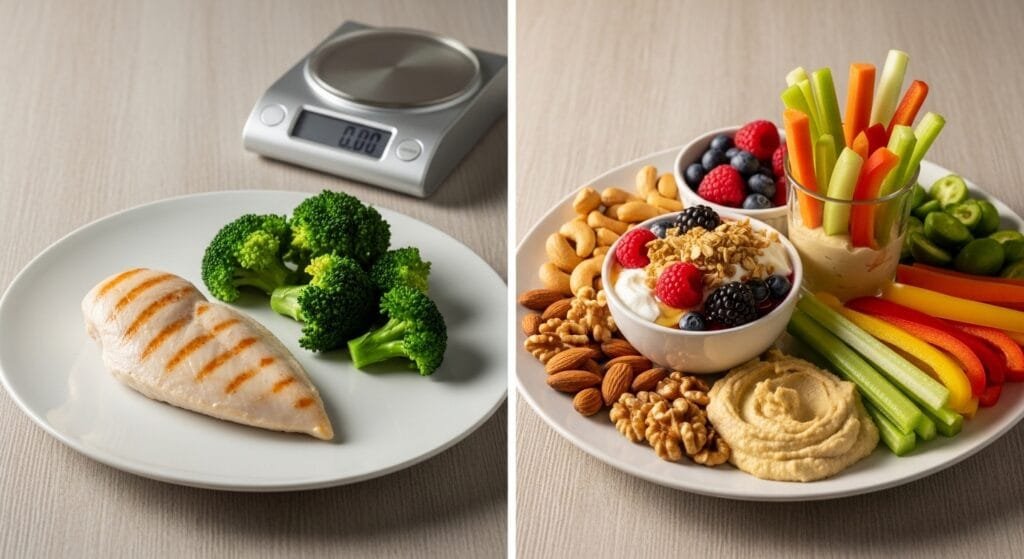
Dieting Approaches Comparison
- All Categories
- Approach & Philosophy
- Effort & Sustainability
- Results & Statistics
| Aspect | Traditional Dieting | Habit Snacking |
|---|---|---|
| Approach | Restrictive rules and calorie counting | Building automatic healthy patterns |
| Food Relationship | Foods labeled “good” or “bad” | All foods acceptable in moderation |
| Effort Required | High willpower and constant monitoring | Low—becomes automatic over time |
| Mental Energy | Exhausting—requires constant decisions | Sustainable—fewer daily food decisions |
| Flexibility | Rigid meal plans and restrictions | Adaptable to different situations |
| Success Rate | Only 5% maintain loss after 5 years | Strong habits predict long-term maintenance |
| Long-term Sustainability | Low—leads to 80% yo-yo dieting rate | High—habits strengthen over time |
Building Sustainable Snacking Habits

Ready to shift from dieting to habit building? Here’s how you can start creating lasting change.
Start Small and Specific
Don’t try to overhaul everything at once. Pick one simple habit to build. For example, “I’ll eat an apple every day at 3 PM when I take my afternoon break.” The specificity matters—linking your new habit to a time and place makes it easier to remember and repeat.
Research on habit formation shows that interventions focusing on habit formation are highly effective, with particularly strong results for combined diet and physical activity changes.
Make Healthy Foods Visible
Dr. Phelan’s research found that successful weight maintainers commonly practiced one key strategy: keeping low-calorie foods accessible for healthy snacking. Put a bowl of fruit on your counter. Pre-cut vegetables and store them at eye level in your fridge. Keep nuts in your desk drawer at work.
When healthy options are visible and convenient, you’ll reach for them automatically. Meanwhile, store less nutritious snacks in harder-to-reach places or don’t buy them at all.
Create Consistent Eating Patterns
Your body thrives on routine. Try eating your meals and snacks around the same times each day. This predictability helps maintain blood sugar balance, prevents overeating, and regulates energy.
Consistency doesn’t mean rigidity. Life happens! But having a general routine makes healthy eating feel more automatic.
Practice Mindful Snacking
Mindful eating means paying attention to what you’re sensing, feeling, and thinking as you eat. Applied to snacking, this approach helps you better control food intake without compromising enjoyment.
Try these mindful snacking tips:
- Put your snack on a plate instead of eating from the bag
- Sit down and eliminate distractions like your phone or TV
- Notice the colors, smells, and textures of your food
- Chew slowly and savor each bite
- Check in with your hunger before and during eating
Studies show that mindful eating increases meal satisfaction and can improve overall mental well-being.
Choose Nutrient-Dense Snacks
Not all snacks are created equal. Healthy snacks containing whole fruit, vegetables, sprouts, and roasted nuts are associated with better diet quality and positive impacts on body weight.
On the flip side, desserts, sweets, potato chips, sugary juices, and deep-fried items contribute excessive calories without much nutritional value. Research confirms that the positive or negative impact of snacking on health relates mainly to nutritional content.
Smart snack choices include:
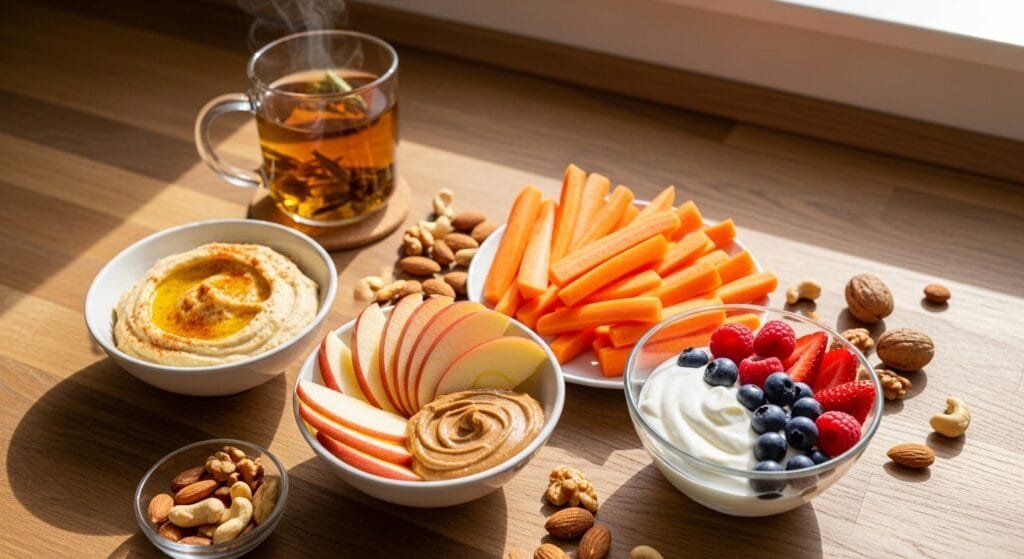
- Fresh fruit with nut butter
- Vegetable sticks with hummus
- Greek yogurt with berries
- A small handful of almonds or walnuts
- Hard-boiled eggs
- Whole-grain crackers with cheese
The Role of Self-Monitoring
While habit snacking reduces the need for constant vigilance, some self-monitoring can help, especially when you’re building new habits.
Dr. Phelan’s research revealed that successful weight maintainers practiced more frequent self-monitoring strategies, including keeping records of food intake and weighing themselves weekly. In fact, 94.3% of maintainers weighed themselves at least weekly, compared to just 46% of those with stable obesity.
But here’s the difference: self-monitoring in a habit-based approach isn’t about judgment or punishment. It’s about awareness and learning. You’re gathering information to understand your patterns, not beating yourself up over every imperfect choice.
Psychological Strategies for Success
Your mindset matters as much as your food choices. The most successful weight maintainers use specific psychological coping strategies that help them navigate challenges.
Positive Self-Talk
Research shows that people who maintain weight loss practice psychological coping strategies like thinking about past successes and remaining positive when facing setbacks. If you regain a few pounds or have an off-track week, remind yourself: “I’ve done this before, and I can get back on track.”
Accept Imperfection
You don’t need a perfect eating record to be healthy. Studies on acceptance-based approaches found that successful maintainers showed greater willingness to ignore food cravings without trying to completely control or eliminate them.
This means acknowledging cravings exist, accepting them as normal, and choosing how to respond—rather than engaging in an exhausting mental battle every time you want a cookie.
Focus on Addition, Not Subtraction
Instead of obsessing over foods to avoid, focus on adding more nutritious options. Can you add an extra serving of vegetables to your lunch? Could you swap your afternoon candy bar for fruit and nuts three days this week? This positive framing feels more empowering and sustainable.
Long-Term Health Benefits
When you shift from dieting to habit-based eating, you’re investing in more than just weight management. You’re building a foundation for lifelong wellness.
Sustainable eating promotes long-term health benefits including stable weight management, improved energy levels, and reduced risk of chronic diseases like diabetes and heart disease. Unlike restrictive diets that stress your body and mind, consistent healthy eating habits support overall well-being.
Dr. Phelan’s study found that people with stronger healthy eating habits reported significantly higher quality of life scores—77.7 out of 100 for successful maintainers versus 64.3 for those with obesity. That’s not a small difference!
Overcoming Common Obstacles
Let’s address some challenges you might face when building snacking habits.
“I Don’t Have Time”
Habit formation actually saves time in the long run. Once eating patterns become automatic, you spend less mental energy making food decisions. Start by prepping snacks on Sunday for the week ahead. Wash and cut vegetables, portion out nuts, or prep grab-and-go fruit.
“Healthy Snacks Are Expensive”
They don’t have to be! Seasonal produce, frozen fruits and vegetables, eggs, and bulk nuts offer excellent nutrition at reasonable prices. A banana costs less than a bag of chips and provides more sustained energy.
“I Work in an Office with Constant Treats”
I hear you. When someone brings donuts or there’s birthday cake in the break room, staying on track feels tough. Build a habit of eating a satisfying, protein-rich snack before these situations arise. When you’re not hungry, it’s easier to say no or enjoy just a small portion without overdoing it.
“My Family Eats Junk Food”
You can’t control what others eat, but you can control what you keep accessible for yourself. Stock your workspace or a specific shelf with your healthy options. Model healthy habits without preaching, and you might inspire others to join you.
Making the Transition
If you’ve been dieting for years, shifting to a habit-based approach might feel strange at first. You might even feel like you’re “doing it wrong” because there’s no strict meal plan or forbidden foods list.
That discomfort is normal. You’re rewiring patterns that have been reinforced for years. Research suggests that habit formation takes consistent repetition over time—there’s no magic number of days.
Be patient with yourself. Dr. Phelan’s study showed that longer duration of weight loss maintenance correlated with greater habit strength. In other words, the longer you practice healthy habits, the stronger and more automatic they become.
Creating Your Personal Habit Plan
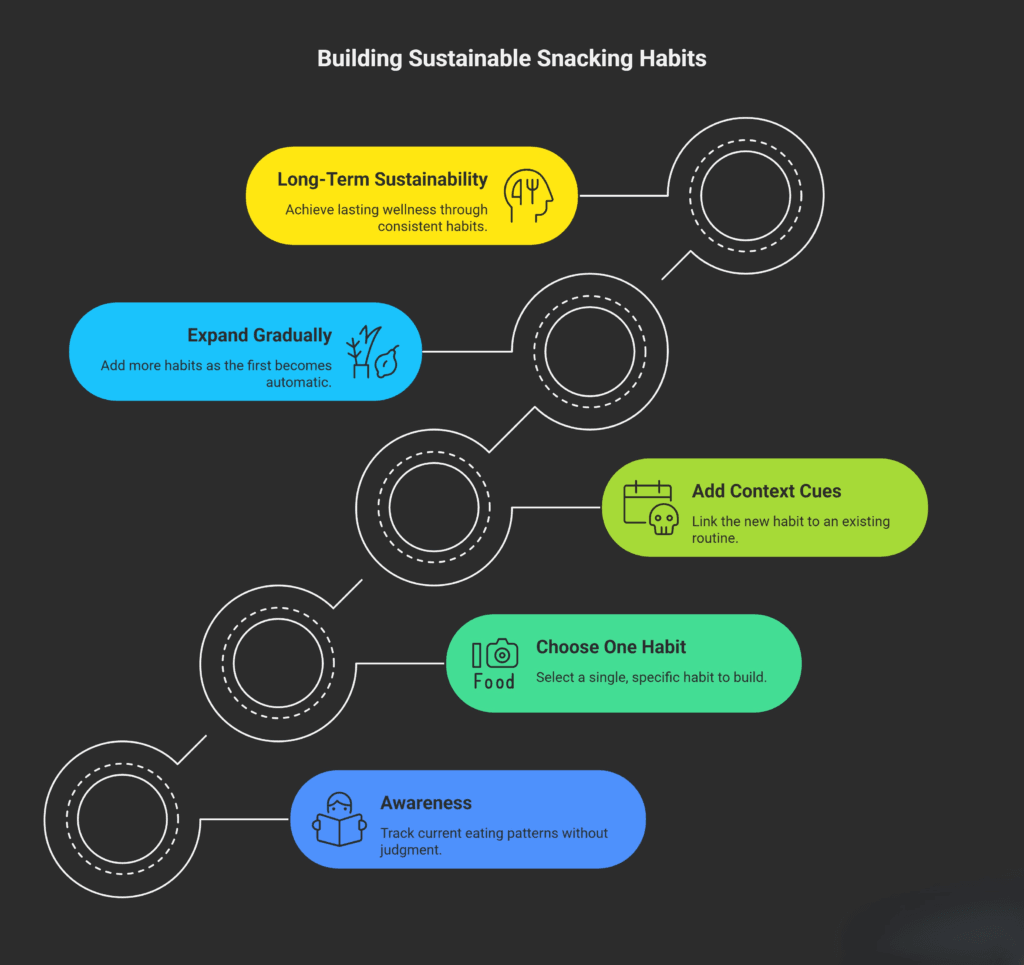
Ready to create your own sustainable approach? Here’s a simple framework:
Week 1-2: Awareness
Track your current eating patterns without judgment. When do you snack? What triggers those choices? How hungry are you?
Week 3-4: Choose One Habit
Pick a single, specific habit to build. Maybe it’s eating a piece of fruit at 10 AM or having vegetables with lunch every day.
Week 5-8: Add Context Cues
Link your new habit to an existing routine. “After I pour my morning coffee, I’ll eat an apple.” The existing behavior (coffee) becomes a trigger for the new one (apple).
Week 9-12: Expand Gradually
Once your first habit feels automatic, add another. Don’t rush this process. Building strong habits takes time, but the investment pays off.
The Power of Community Support
You don’t have to do this alone. Dr. Phelan’s research on weight loss maintainers in the WW (formerly Weight Watchers) program showed that community support plays a valuable role in sustained success.
Find your people—whether that’s a friend who’s also working on healthy habits, an online community, or a local group. Share your wins, troubleshoot challenges together, and celebrate progress. Having others who understand your journey makes the path easier.
Embracing Flexibility
One of the greatest benefits of habit-based eating over traditional dieting is flexibility. Sustainable eating allows for occasional indulgences because it’s all about balance, not perfection.
Had pizza at your kid’s birthday party? Great! Enjoyed dessert on your anniversary? Wonderful! These moments are part of a full life. When healthy eating is your habit—your default setting—occasional treats don’t derail your progress. You simply return to your normal patterns at the next meal.
This flexibility makes habit-based eating sustainable for years, not just weeks or months.
Measuring Real Progress
Forget obsessing over the scale. While weight is one measure, it’s not the only—or even the best—indicator of success.
Ask yourself these questions:
- Do I have more energy throughout the day?
- Am I eating healthier foods more consistently?
- Do my healthy choices feel easier and more automatic?
- Is my relationship with food less stressful?
- Am I sleeping better?
- Do I feel stronger or more capable physically?
These markers often change before the scale moves. Quality of life improvements frequently occur as habits solidify, even if weight changes happen more slowly.
Why This Approach Works
The beauty of habit-based eating lies in working with your brain’s natural wiring instead of against it. Dr. Wood’s decades of research demonstrate that we spend about 43% of our day acting on habit, not conscious choice.
Traditional diets demand that you use willpower and conscious decision-making for every food choice. That’s exhausting and unsustainable. Habit snacking, by contrast, automates healthy decisions. You build systems that make nutritious eating the easy default option.
Studies confirm that healthy dietary strategies, self-monitoring, and habit strength for healthy eating are the factors that most strongly distinguish successful long-term weight maintainers from those who struggle.
Your Sustainable Wellness Journey
The choice between habit snacking and traditional dieting isn’t really a choice at all—not if you want lasting results. Restrictive diets offer short-term changes at best, with a 95% long-term failure rate. Habit-based approaches, while requiring more patience upfront, create sustainable transformation.
You’re not looking for a quick fix. You’re building a new way of living—one where healthy eating feels natural, not forced. Where snacking supports your energy and wellness rather than derailing your goals. Where you can enjoy food without guilt or anxiety.
This journey requires compassion for yourself, patience with the process, and trust that small, consistent actions compound into remarkable results. As Dr. Phelan’s research shows, those who succeed long-term aren’t superheroes with extraordinary willpower. They’re regular people who learned to build strong, automatic habits that serve their health goals.
You can do this. Start small. Be consistent. Give yourself grace. And watch as healthy eating transforms from a constant battle into your simple, automatic way of life.
The sustainable wellness you’re seeking doesn’t come from the next trendy diet. It comes from building habits that last—one intentional choice at a time, until those choices become second nature. That’s the real power of choosing habit snacking over dieting.
My Experience & Insights
I’ve spent years digging into habit research, both reading the studies and applying them to real life. Early on, I fell into the traditional dieting trap—dropping 10 pounds fast, then gaining back 15 by summer. The endless food rules drained me. I kept asking myself, “Why does this keep failing?”
Then I found Dr. Wendy Wood’s work showing 43% of our daily actions run on autopilot. That was my lightbulb moment. Diets battle our brain’s natural wiring, but habits flow with it. I tested this myself: swapped my 3 PM vending machine habit for prepped veggies and always-available nuts. In weeks, those choices became automatic—no more willpower fights.
To make this research actionable for readers (and verify what studies predict), I created the Habit Strength Score Calculator. It’s grounded in habit formation science, not clinical diagnostics—just 5 quick questions about your eating patterns. You get a 1-7 score, plus research-backed Priority Areas for Improvement highlighting where to focus.
Testing this with readers mirrors Dr. Suzanne Phelan’s findings on weight maintainers. Scores 4+ correlate with “routine” eating (like her 5.3/7 maintainers vs. 3.2/7 others). Below 3? Constant decision fatigue—the diet struggle signature.
The biggest surprise? Consistency beats perfection. One reader jumped from 2.8 to 5.2 in 30 days by linking fruit to her coffee routine. No calorie math required.
This real-world validation proves why habit snacking trumps dieting. It’s system-building, not endurance testing. Stuck in diet cycles? Pick one research-backed swap. The shift feels real fast.
Habit Strength Score Calculator
Based on research from Dr. Suzanne Phelan’s study of 5,000 weight loss maintainers
Disclaimer: This tool is for informational purposes only and does not provide medical advice, diagnosis, or treatment. It is not a substitute for professional medical guidance. Consult with a healthcare professional before making any changes to your diet or exercise routine. Results are based on generalized research data and may not reflect individual circumstances.
Frequently Asked Questions
1. What’s the difference between habit snacking and regular dieting?
Habit snacking builds automatic healthy eating patterns through consistent small choices, while dieting relies on strict rules and willpower. Habits become effortless over time; diets often fail when motivation fades. This makes habit snacking more sustainable long-term.
2. How long does it take to build sustainable snacking habits?
Research shows it takes 18-254 days depending on the habit’s complexity, with simpler ones like grabbing fruit forming faster. Consistency matters more than speed—aim for daily repetition in the same context (like after coffee) for best results.
3. Will habit snacking help me lose weight without feeling deprived?
Yes, because it focuses on nutrient-dense foods that satisfy hunger naturally. Unlike diets that ban favorites, habit snacking allows flexibility. Studies show people with strong healthy eating habits maintain weight loss better than strict dieters.
4. What are some easy habit snacks for beginners?
Start simple: apple slices with a teaspoon of nut butter, carrot sticks and hummus, Greek yogurt with berries, or a handful of almonds. Keep them prepped and visible. These provide protein + fiber to stabilize blood sugar between meals.
5. Can I still enjoy treats with habit snacking?
Absolutely. Habits create a healthy default, so occasional treats (birthday cake, movie popcorn) won’t derail you. The key is 80-90% consistent healthy choices. Mindful portions prevent guilt cycles common in restrictive dieting.
6. How do I know if my snacking habits are improving?
Track automaticity: Does reaching for veggies feel natural? Use a habit strength score (1-10) based on frequency, automaticity, and missing it when skipped. Tools like my Habit Strength Calculator make this quick—most see progress in 2-4 weeks.
💊 Do not rely solely on online content for diagnosis or treatment.
📜 Information here is provided “as is” without any warranties.