

💊 Do not rely solely on online content for diagnosis or treatment.
📜 Information here is provided “as is” without any warranties.
Why high-protein diets are becoming a longevity trend in the U.S. is no longer just a fitness question—it’s a conversation about living longer, staying stronger, and feeling healthier as we age. If you’ve noticed more people reaching for Greek yogurt, cottage cheese, and protein shakes lately, you’re not imagining things. Americans are loading up on protein like never before, and the reasons go way beyond building muscle at the gym.
In 2025, protein took center stage in American diets. According to the 2025 IFIC Food & Health Survey, a whopping 71% of Americans are actively trying to consume more protein—a steady climb from 67% in 2023 and 59% in 2022. High-protein eating now ranks as the most followed eating pattern for the third straight year. That’s a huge shift, and it tells us something important: protein isn’t just a trend—it’s becoming a lifestyle priority tied to how we think about aging and longevity.
So, what’s driving this protein priority shift? Why are we suddenly so focused on this one nutrient? And does eating more protein actually help us live longer and healthier lives? Let’s dig into the science, hear from leading experts, and explore what this means for your everyday choices.
- The Protein Obsession Sweeping America
- Why High-Protein Diets Are Becoming a Longevity Trend in the U.S.
- What Current Research and Nutrition Experts Say About Protein
- How Protein Supports Muscle, Metabolism, and Longevity
- Protein Quality Matters: Animal vs. Plant Sources
- Comparing Protein Needs Across Life Stages
- Protein Intake Recommendations by Life Stage
- The Real-World Impact: What This Means for Your Plate
- Common Myths and Misconceptions About Protein and Longevity
- The Bigger Picture: Protein, Longevity, and Lifestyle
- Looking Ahead: The Future of Protein and Longevity Research
- Wrapping It All Up
- My Experience & Insights
- Protein Longevity Calculator
- Frequently Asked Questions
The Protein Obsession Sweeping America

Walk into any grocery store, and you’ll see protein-packed everything: protein bars, protein chips, protein ice cream, even protein water. It’s everywhere. But this isn’t just clever marketing. People genuinely believe that eating more protein will help them feel fuller, maintain their strength, and support their overall health.
Innova Market Insights reports that nearly 60% of consumers are actively trying to increase their protein intake. We’re thinking more proactively about healthy aging, strength maintenance, and energy levels. Protein has become the go-to nutrient for staying strong, feeling full, and supporting overall vitality.
This surge isn’t happening in a vacuum. It’s part of a broader cultural moment where longevity—the science and practice of living longer, healthier lives—has become a hot topic. From Blue Zones documentaries to podcasts about biohacking, we’re all asking: What can I do today to feel better tomorrow and live well into my 80s, 90s, or even beyond?
Protein sits right at the heart of that question. Analysts at Grand View Research point to protein as a core component of long-term health strategies, helping consumers support muscle mass, manage weight, and stave off age-related physical decline. Whether it’s added to snacks, blended into beverages, or built into meal solutions, protein instantly elevates a product’s health halo.
But here’s the catch: while enthusiasm for protein is sky-high, understanding of how much we actually need is surprisingly low. Most of us don’t know our optimal daily protein intake. And that knowledge gap matters, especially when we’re making food choices based on health and longevity goals.
Why High-Protein Diets Are Becoming a Longevity Trend in the U.S.
The connection between protein and longevity is more nuanced than you might think. It’s not as simple as “eat more protein, live longer.” In fact, the story depends a lot on your age, your health, and even the sources of protein you choose.
Let’s start with the good news for older adults. As we age, our bodies become less efficient at using protein to build and maintain muscle—a phenomenon called anabolic resistance. This means older adults need more protein per meal to get the same muscle-building benefits that younger people get from smaller amounts.
Dr. Wayne W. Campbell, a professor in the Department of Nutrition Science at Purdue University and a leading researcher on protein and aging, has spent his career studying how nutrition and exercise affect metabolism, health, and functional well-being as people progress through the life course. His research focuses on assessing the effects of healthy eating patterns and protein-rich foods on body composition, including muscle and bone.
According to research Campbell has conducted over his 35-year career, among medically stable older adults, protein intakes below the recommended dietary allowance (RDA) of 0.8 grams per kilogram of body weight per day exacerbate age-related reductions in muscle size, quality, and function. In a three-year study with over 2,000 participants aged 70 to 79, those in the highest protein intake group (1.1 g/kg body weight per day) lost 40% less lean mass than those in the lowest group (0.7 g/kg per day). That’s a massive difference in preserving strength and independence.
The research supports recommendations for older adults to consume 1.0 to 1.6 grams of protein per kilogram of body weight per day, including one and preferably more meals per day with sufficient protein to maximally stimulate muscle protein synthesis and promote greater muscle strength and function. For a 170-pound person, that’s roughly 77 to 124 grams of protein daily.
Dr. Stuart Phillips, a professor at McMaster University’s School of Medicine and a globally recognized expert on protein, aging, and skeletal muscle, has published over 400 original scientific research and review papers with more than 31,000 career citations. His work underscores that adequate protein intake, especially in older adults, is crucial for maintaining muscle health, strength, and functional independence.
Higher dietary protein—up to 1.2 grams per kilogram of body weight per day—may help prevent sarcopenia (age-related muscle loss) and maintain musculoskeletal health in older individuals. This is precisely why protein has become such a focus for longevity: losing muscle mass as we age doesn’t just make us weaker—it increases fall risk, reduces mobility, and can erode quality of life.
But what about younger and middle-aged adults? This is where the story gets more complicated.
A study published by the National Institutes of Health found that adults aged 50 to 65 who reported a high-protein intake had a 75% increase in overall mortality and were four times more likely to die from cancer during the following 18 years than those in the low-protein group. The moderate-protein diet was associated with a three-fold increase in cancer mortality compared to the low-protein diet. However, for adults over 65, a high-protein diet was linked to lower mortality.
The link between diet and longevity appeared to be moderated by a pathway involving insulin-like growth factor 1 (IGF-1). High protein intake in midlife may increase IGF-1 signaling, which promotes cell growth but can also accelerate aging and cancer progression in certain contexts.
Dr. Valter Longo, the Edna M. Jones Professor in Gerontology and Professor in Biological Science and Director of the USC Longevity Institute, has conducted extensive research on protein restriction and lifespan extension. His laboratory has identified key genetic pathways that regulate aging in simple organisms and demonstrated that inactivating such pathways can reduce the incidence or progression of multiple diseases in mice and humans.
Dr. Longo’s research suggests that protein restriction, more so than calorie restriction, can extend the lifespan of any organism. He pointed to populations with record longevity—Italians, Japanese—who consume low-protein diets. Low protein intake is associated with a major reduction in IGF-1, cancer, and overall mortality in people aged 65 and younger, but not in older populations.
So what’s the takeaway? It seems that the optimal protein intake for longevity follows a U-shaped curve: moderate (and potentially lower) protein in midlife, followed by higher protein intake as we reach our 60s and beyond.
What Current Research and Nutrition Experts Say About Protein

The conversation around protein recommendations is evolving, and researchers are paying closer attention to how protein needs change throughout our lives. While the official U.S. Dietary Guidelines for Americans are periodically updated (with the most recent being the 2020-2025 edition), the scientific community continues to publish new research that informs our understanding of optimal protein intake.
The current Recommended Dietary Allowance (RDA) for protein is 0.8 grams per kilogram of body weight per day for adults. However, many nutrition scientists now argue that this baseline may be too low, especially for older adults who are trying to maintain muscle mass and function.
Dr. Stuart Phillips and other leading researchers have published extensive evidence suggesting that older adults benefit from consuming 1.0 to 1.6 grams of protein per kilogram of body weight per day—significantly more than the current RDA. This higher intake helps combat the age-related decline in muscle protein synthesis and supports better functional outcomes.
The shift toward higher protein awareness isn’t coming from government mandates—it’s being driven by consumer interest and emerging science. According to the 2025 IFIC Food & Health Survey, 71% of Americans are actively trying to consume more protein, making it the most followed eating pattern for three consecutive years. This grassroots movement reflects growing public awareness of protein’s role in healthy aging, weight management, and overall vitality.
Food industry analysts note that longevity-focused nutrition trends are reshaping product development, with nearly 60% of consumers actively seeking to increase their protein intake. Manufacturers are responding by adding protein to everything from snacks to beverages, recognizing that protein has become synonymous with health and wellness in consumers’ minds.
The protein conversation is also becoming more sophisticated. It’s no longer just about quantity—quality and distribution matter too. Research suggests that spreading protein intake evenly across meals (rather than loading up at dinner) may be more effective for muscle maintenance, especially for older adults. And the source of protein—whether animal-based, plant-based, or a combination—has different implications for long-term health outcomes.
How Protein Supports Muscle, Metabolism, and Longevity
Let’s break down exactly how protein works in your body and why it’s so critical for aging well.
Protein is made up of amino acids—building blocks that your body uses to repair tissues, build muscle, support immune function, and produce hormones and enzymes. Unlike carbohydrates and fats, your body doesn’t store protein in large amounts. That means you need a steady supply from your diet every single day.
As you age, several things happen:
- Muscle mass naturally declines. Starting around age 30, adults lose about 3% to 5% of muscle mass per decade if they don’t actively work to maintain it. This loss accelerates after age 60.
- Your body becomes less efficient at using protein. This is the anabolic resistance we mentioned earlier. Essentially, your muscles need a bigger “signal” (more protein at once) to trigger muscle protein synthesis.
- Appetite often decreases. Many older adults eat less overall, which means they may not get enough protein even if their diet percentages stay the same.
The result? Without enough dietary protein, older adults lose muscle mass faster, which leads to weakness, increased fall risk, and loss of independence.
But here’s the good news: eating enough protein—especially when paired with resistance exercise—can slow, stop, or even reverse muscle loss in older adults. Research showed that participants in the highest quintile of protein intake lost 40% less lean mass than those in the lowest quintile over three years. That’s a game-changer for maintaining strength, mobility, and quality of life.
Protein also helps with weight management, which becomes more challenging as we age. High-protein foods tend to be more satiating, meaning they keep you feeling full longer and reduce overall calorie intake. This can help prevent the gradual weight gain that often accompanies aging and contributes to chronic diseases like type 2 diabetes and heart disease.
Protein Quality Matters: Animal vs. Plant Sources

Not all protein is created equal. The source of your protein—whether it comes from animals or plants—makes a real difference in how your body uses it and in your overall health outcomes.
Animal proteins (like meat, poultry, fish, eggs, and dairy) are considered “complete” proteins because they contain all nine essential amino acids your body needs. They’re also generally higher in leucine, an amino acid that’s particularly important for triggering muscle protein synthesis.
Plant proteins (like beans, lentils, nuts, seeds, tofu, and whole grains) are often “incomplete,” meaning they’re lower in one or more essential amino acids. However, by eating a variety of plant proteins throughout the day, you can easily get all the amino acids you need.
So which is better for longevity?
The answer seems to be: it depends on your age and overall diet pattern.
Major meta-analyses have found that higher intakes of plant proteins were associated with lower overall mortality and reduced cardiovascular death risk. Plant-forward diets—rich in legumes, vegetables, whole grains, nuts, and seeds—are consistently linked to longevity in populations like those in the Blue Zones (regions where people live notably longer, healthier lives).
That said, for older adults specifically, getting enough high-quality protein to preserve muscle mass is critical. Animal proteins make this easier because they’re more concentrated in essential amino acids. But plant proteins can absolutely do the job, especially when consumed in adequate amounts and variety.
The bottom line? A balanced approach that emphasizes whole, minimally processed proteins—whether from animals, plants, or both—is probably your best bet for longevity.
Comparing Protein Needs Across Life Stages
To make this all more concrete, let’s look at how protein needs change across different life stages and what that means for your daily plate.
Protein Intake Recommendations by Life Stage
| Life Stage | Recommended Protein Intake | Key Considerations | Example for 170 lb (77 kg) Person |
|---|---|---|---|
| Young Adults (18–49) | 0.8–1.0 g/kg body weight/day | Maintain muscle, support active lifestyle, moderate intake to avoid excess IGF-1 | 62–77 grams/day |
| Middle Age (50–64) | 0.8–1.0 g/kg body weight/day | Balance muscle maintenance with lower IGF-1 for cancer risk reduction; consider protein moderation | 62–77 grams/day |
| Older Adults (65+) | 1.0–1.6 g/kg body weight/day | Combat anabolic resistance, prevent sarcopenia, preserve strength and independence | 77–124 grams/day |
Note: Recommendations are based on body weight in kilograms. 1 kg = 2.20462 lbs
As you can see, protein needs increase significantly once you hit your mid-60s. That’s when anabolic resistance kicks in, and your body requires more protein per meal to maintain muscle.
For older adults, experts recommend not just eating more total protein, but also distributing it evenly across meals. Instead of having a tiny bit of protein at breakfast, a small amount at lunch, and a big steak at dinner, aim for 25 to 35 grams of protein at each meal. This gives your muscles multiple “signals” throughout the day to build and repair tissue.
The Real-World Impact: What This Means for Your Plate
So how do you translate all this science into actual food choices? Let’s make it practical.
If you’re under 65 and in good health, focus on moderate protein intake from high-quality sources. You don’t need to obsess over protein shakes or mega-portions of meat. Instead, aim for:
- A palm-sized portion of protein at each meal (chicken, fish, tofu, beans, eggs).
- Greek yogurt, cottage cheese, or nuts as snacks.
- Variety in your protein sources to get a range of nutrients and amino acids.
If you’re 65 or older, or if you’re dealing with muscle loss or recovering from illness or surgery, you need to be more intentional about protein. Here’s what that looks like:
- Breakfast: 2 to 3 eggs with whole-grain toast, or Greek yogurt with nuts and fruit.
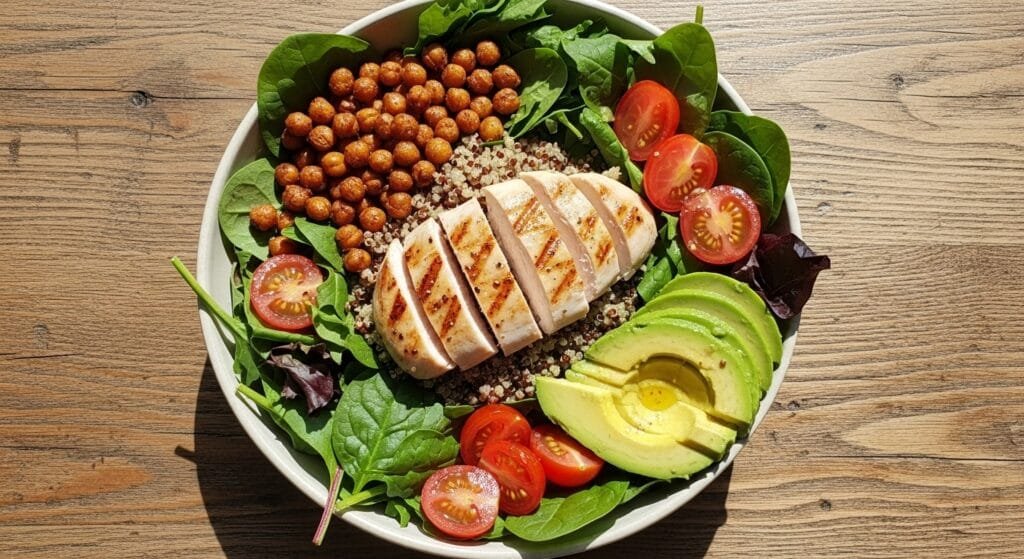
- Lunch: A chicken or tuna salad with beans, or a tofu stir-fry with quinoa.
- Dinner: A palm-to-palm-and-a-half-sized portion of fish, lean meat, or legumes with vegetables and whole grains.
- Snacks: Cheese, nuts, protein smoothies, or hummus with veggies.
This approach ensures you’re hitting that 1.0 to 1.6 grams per kilogram target and spreading your intake across the day.
One more thing: don’t forget resistance exercise. Eating more protein without strength training won’t do much for your muscles. Even simple bodyweight exercises, resistance bands, or light weights two to three times a week can make a huge difference in how your body uses that protein.
Common Myths and Misconceptions About Protein and Longevity
With so much buzz around protein, it’s easy to get confused. Let’s clear up a few common myths.
Myth 1: More protein is always better.
Not true. As we’ve seen, extremely high protein intake in midlife may increase cancer risk and overall mortality. The goal is adequate protein, not excessive amounts.
Myth 2: You can only get enough protein from meat.
Nope. Plant-based eaters can absolutely meet their protein needs with beans, lentils, tofu, tempeh, nuts, seeds, and whole grains. It just takes a bit more planning to ensure variety and adequate intake.
Myth 3: Older adults should eat the same amount of protein as younger people.
False. Older adults need significantly more protein—up to twice the standard RDA—to maintain muscle and function.
Myth 4: Protein powder is necessary for healthy aging.
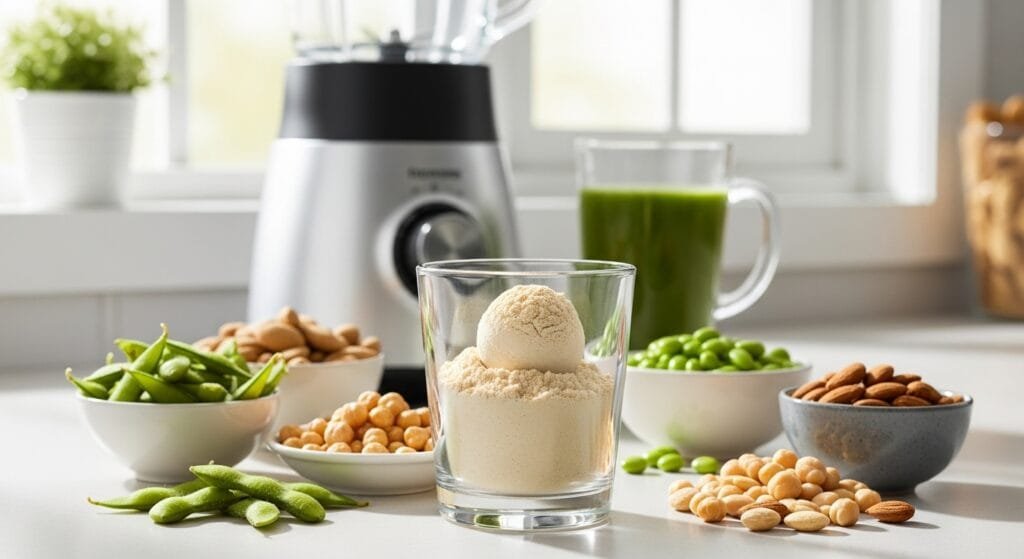
Not necessarily. While protein supplements can be convenient, especially for older adults with poor appetites, whole-food sources of protein are generally preferable because they come with other beneficial nutrients like vitamins, minerals, and fiber.
Myth 5: Eating protein will damage your kidneys.
For most people, even older adults with normal kidney function, higher protein intakes are safe. However, if you have chronic kidney disease (especially stages 4 or 5), you should work with a healthcare provider to determine the right protein level for you.
The Bigger Picture: Protein, Longevity, and Lifestyle
Here’s the thing: protein isn’t a magic bullet for longevity. It’s one piece of a much bigger puzzle.
The longest-lived populations in the world—places like Okinawa, Japan; Sardinia, Italy; and Loma Linda, California—don’t just eat protein. They eat mostly whole, plant-forward foods. They move naturally throughout the day. They maintain strong social connections. They have purpose and meaning in their lives.
Dan Buettner, a longevity expert who has spent decades studying these Blue Zones, notes that the longevity effect is rarely a single food—it’s the pattern. Shared meals, less processed food, more legumes and vegetables, moderate wine in some regions, and movement integrated into daily life all contribute.
Protein plays a supporting role in this story, especially as we age and need to preserve muscle mass. But it works best when it’s part of a holistic approach to health that includes:
- Whole, minimally processed foods.
- Regular physical activity, especially resistance training.
- Strong social connections and community.
- Adequate sleep and stress management.
- Purpose and engagement in life.
When you put all these pieces together, that’s when you see real improvements in healthspan—the number of years you live in good health—and potentially lifespan, too.
Looking Ahead: The Future of Protein and Longevity Research
We’re still learning a lot about the relationship between protein, aging, and longevity. Exciting research is underway to answer questions like:
- What’s the ideal protein intake for different age groups, activity levels, and health conditions?
- How do different protein sources (animal vs. plant, whole food vs. supplement) affect long-term health outcomes?
- What role does meal timing and protein distribution play in muscle maintenance?
- Can personalized protein recommendations based on genetics or metabolic health improve outcomes?
As more studies come out, we’ll get a clearer picture of how to optimize protein intake for individual needs and life stages. In the meantime, the current evidence gives us a solid foundation to work from.
Wrapping It All Up

Why high-protein diets are becoming a longevity trend in the U.S. comes down to a growing awareness that what we eat profoundly affects how we age. Protein is emerging as a cornerstone nutrient for maintaining muscle, strength, independence, and quality of life as we get older.
But the story isn’t simple. The amount of protein that’s right for you depends on your age, health status, activity level, and overall diet. Younger and middle-aged adults may benefit from moderate intakes and a focus on plant proteins to reduce IGF-1 and cancer risk. Older adults, on the other hand, need substantially more protein—ideally distributed across meals—to combat muscle loss and maintain function.
The good news? You have a lot of flexibility in how you meet your protein needs. Whether you prefer chicken, fish, tofu, beans, yogurt, or a mix of everything, you can build a protein-rich eating pattern that supports longevity and feels delicious and sustainable.
As we move further into 2026, expect to see even more innovation in protein-enriched foods, clearer guidance from nutrition experts, and a deeper cultural conversation about aging well. The protein priority shift is here to stay—and when done thoughtfully, it can be a powerful tool in your longevity toolkit.
My Experience & Insights
While digging deep into the protein-longevity research for this article, I found myself frustrated by how confusing the recommendations felt. You’d read one study saying older adults need 1.6g/kg of protein, then another suggesting midlife folks should actually eat less to reduce IGF-1 risks. I kept thinking, “How do real people actually apply this without a nutrition degree?”
That’s when I built the Protein Longevity Calculator—a research-backed tool that takes the complexity out of protein targets. You simply input your age, weight, activity level, and life stage (young adult, middle age, or senior), and it spits out your personalized daily protein range based on the latest evidence from experts like Dr. Stuart Phillips at McMaster and Dr. Wayne Campbell at Purdue.
Here’s what surprised me most during testing: most people aiming for “high protein” were actually undershooting their needs. A 170lb active senior needs 110-170g daily to combat anabolic resistance, but when I ran the numbers for typical breakfasts (cereal + milk = 12g), lunches (turkey sandwich = 25g), and dinners (chicken breast + veggies = 45g), folks were landing at 80-90g total. No wonder sarcopenia sneaks up on so many.
The calculator doesn’t just give you a number—it breaks it down into practical 25-35g protein meals. For that 170lb senior, it might show:
Breakfast (30g): 3 eggs + Greek yogurt + almonds
Lunch (35g): Tuna salad + chickpeas + quinoa
Dinner (40g): Salmon + cottage cheese + lentils
Snack (25g): Protein shake or cheese + nuts
What I love most? It automatically adjusts for life stage. A 45-year-old office worker gets moderate 1.0g/kg targets to balance muscle maintenance with longevity pathways, while their 68-year-old parent sees the higher 1.4g/kg range for muscle preservation.
I designed it from the ground up using the PROT-AGE Study Group recommendations and NIH longevity data, so it’s not guesswork—it’s science translated into action. You can try the Protein Longevity Calculator here and see exactly how much protein your body needs right now, plus get meal templates that make hitting those targets realistic.
Building this tool showed me the real gap between research papers and kitchen tables. The science is solid, but without personalization, it stays theoretical. Now when friends ask, “How much protein should I actually eat?” I just send them the calculator link. Saves me 20 minutes of explaining and gives them something concrete to work with.
Protein Longevity Calculator
Get personalized protein recommendations with downloadable report
Your Personalized Protein Plan
Key Recommendations
- Maintain muscle with consistent protein intake
- Support active lifestyle with adequate protein
- Moderate intake to balance IGF-1 levels
Activity Level Impact
Your activity level requires standard protein intake.
Sample Daily Plan
Get your personalized protein plan as a printable PDF
Note: These are general recommendations. Individual needs may vary based on health status, goals, and medical conditions. Consult with a healthcare provider for personalized advice.
Frequently Asked Questions
1. How much protein should I eat if I’m over 65?
Most seniors need 1.0-1.6g of protein per kg of body weight daily to fight muscle loss (sarcopenia). For a 170lb (77kg) person, that’s 77-124g total. Spread it across meals: aim for 25-35g per meal. Example: 3 eggs (18g) + Greek yogurt (15g) = solid breakfast. Dr. Stuart Phillips at McMaster recommends this “even distribution” approach for maximum muscle benefits.
2. Will too much protein hurt my longevity if I’m under 50?
Research suggests it might. A landmark study published in Cell Metabolism found that adults aged 50–65 with high protein intake (20%+ of calories) had a 75% higher mortality risk and 4x cancer risk compared to low-protein groups.
Based on this, longevity experts like Dr. Valter Longo recommend aiming for 0.8g per kg of body weight during midlife, emphasizing plant-based sources to mimic “Blue Zone” diets.
3. Can I get enough protein without eating meat?
Absolutely. Combine these at meals:
Tofu (20g/cup) + quinoa (8g/cup) = 28g
Lentil soup (18g/cup) + chickpeas (15g/cup) = 33g
Greek yogurt (20g) + almonds (6g/oz) = 26g
Plant proteins work fine with variety. Just eat slightly more volume since they’re less dense in essential amino acids like leucine.
4. When should I eat protein—morning, night, or spread out?
Spread it out. Your muscles respond best to 25-35g every 3-4 hours, not one big dinner steak. Research shows 3 protein “pulses” daily preserves muscle 40% better than skewed intake. Skip the cereal breakfast (8g milk) and do eggs (18g) + cottage cheese (14g) instead.
5. Does protein powder count toward my daily target?
Yes, but it’s not ideal. Powders deliver leucine effectively (key for muscle), but whole foods add fiber, vitamins, and satisfaction. Use as backup for busy days or poor appetites, not replacement. A 170lb senior hitting 110g target might do:
60g from food + 50g whey shake = practical solution.
6. Will more protein help me lose weight as I age?
Yes—it’s your best satiety tool. Protein keeps you full longer, preserves muscle during calorie cuts, and boosts metabolism. Studies show high-protein diets (25-30% calories) cause 1-2lbs more fat loss than standard diets. Feeling hungry on a 1,600-calorie plan? Swap carbs for protein and watch appetite drop.
💊 Do not rely solely on online content for diagnosis or treatment.
📜 Information here is provided “as is” without any warranties.