


💊 Do not rely solely on online content for diagnosis or treatment.
📜 Information here is provided “as is” without any warranties.
If you’re looking for lifestyle fixes that balance sleep and stress, you’re not alone. Millions of us toss and turn each night, then drag through the day feeling overwhelmed and exhausted. The good news? Small, doable changes to your daily habits can make a huge difference—fast.
Sleep and stress feed into each other like a vicious cycle. When you’re stressed, falling asleep feels impossible. When you can’t sleep, stress levels shoot even higher the next day. Breaking this loop doesn’t require major life changes or expensive solutions. It starts with understanding how your body works and making a few smart tweaks to your routine.
- Why Sleep and Stress Are Connected
- Poor Sleep Affects Productivity
- Simple Fixes That Work
- Quick Comparison: Sleep Habits That Help vs. Hurt
- Why Small Changes Add Up
- What Happens When You Prioritize Rest
- Getting Started Tonight
- My Experience & Insights
- Stress-Sleep Connection Quiz
- Frequently Asked Questions
- Related Web Stories
Why Sleep and Stress Are Connected
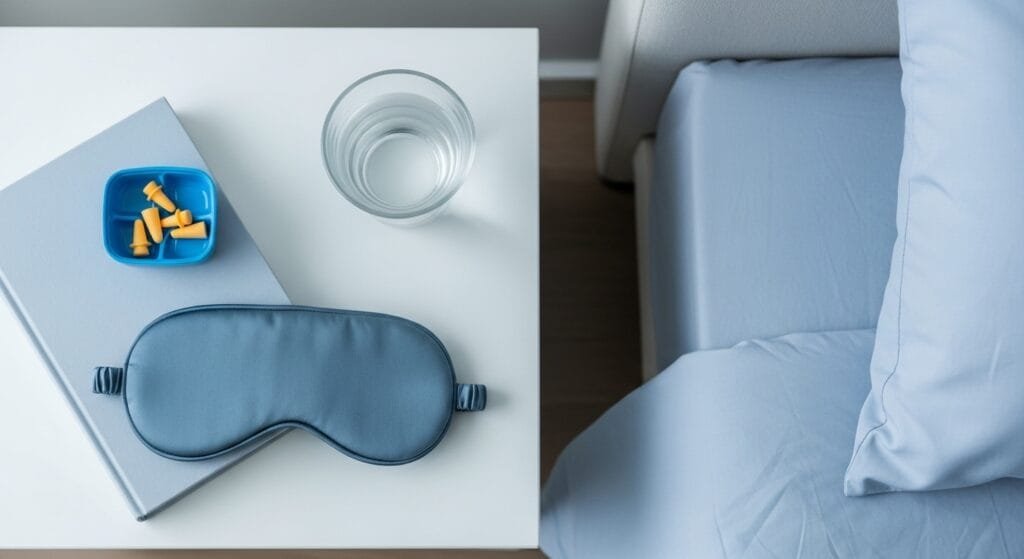
Your brain and body need sleep to recover from daily stress. During deep sleep, your nervous system calms down, stress hormones drop, and your mind processes emotions. Without enough quality rest, your body stays in a heightened state of alert.
Dr. Matthew Walker, Professor of Neuroscience and Psychology at the University of California, Berkeley, researches how sleep impacts human health and disease. His work shows that insufficient sleep amplifies anxiety and stress levels significantly. On the flip side, getting enough deep sleep helps reset your anxious brain and lowers stress naturally.
Dr. Chris Winter, a neurologist and sleep specialist who owns Charlottesville Neurology and Sleep Medicine in Virginia, explains the stress-sleep connection clearly. He notes that stress impacts how you perceive your sleep, and that perception affects how you function during the day—sometimes even more than the actual sleep you got. When you worry about not sleeping well, that worry becomes its own source of stress.
Poor Sleep Affects Productivity
Let’s talk about what happens when you skip sleep to get more done. It backfires. Research shows that people who sleep less aren’t more productive—they’re actually far less productive.
A study tracking thousands of workers found that those getting only 5 to 6 hours of sleep experienced 19% more productivity loss compared to people getting 7 to 8 hours. Those sleeping less than 5 hours? They saw a 29% drop in productivity. Insomnia hits even harder—people with moderate to severe insomnia had more than double the productivity loss of those without sleep problems.
Poor sleep doesn’t just make you tired. It messes with your time management, attention, decision-making, memory, and motivation at work. One analysis of over 4,000 workers estimated that insomnia and insufficient sleep cost companies millions in lost productivity each year. The bottom line? Sacrificing sleep to work more hours costs you more than it gives you.
Simple Fixes That Work

You don’t need a complete lifestyle overhaul to see results. Here are science-backed habits that balance sleep and stress quickly.
Stick to a Sleep Schedule
Going to bed and waking up at the same time every day—even on weekends—strengthens your internal clock. Your body learns when to feel sleepy and when to feel alert. This consistency reduces the time it takes to fall asleep and improves how rested you feel.
If you need to shift your schedule, do it gradually. Move your bedtime 15 minutes earlier (or later) each day until you reach your goal time. Sudden changes confuse your body, but small adjustments stick.
Move Your Body During the Day
Exercise is one of the most effective ways to improve sleep quality. Even 30 minutes of aerobic activity can help you fall asleep faster and sleep more deeply. Physical activity lowers stress hormones, boosts mood-regulating chemicals, and tires your body out in a healthy way.
Timing matters, though. Morning or early afternoon workouts support better sleep, but vigorous exercise right before bed can actually keep you awake. If you want to move in the evening, stick to gentle stretches or yoga.
Create an Evening Wind-Down Routine
Your body needs time to shift from daytime stress to nighttime rest. Building a consistent pre-sleep routine signals your brain that it’s time to relax.
What works? Simple activities like reading a book, listening to soft music, taking a warm bath, or practicing mindfulness. A warm shower or bath about 1 to 2 hours before bed helps lower your body temperature, which naturally triggers sleepiness.
Avoid screens during this wind-down period. Phones, tablets, and computers emit blue light that tricks your brain into thinking it’s still daytime. Put devices away at least an hour before bed. This also helps you avoid doomscrolling, which ramps up anxiety.
Try Breathing Exercises or Meditation
Mindfulness and breathing techniques calm an anxious mind and prepare your body for sleep. Meditation helps you observe stressful thoughts without getting caught up in them.
One popular method is 4-7-8 breathing: breathe in for 4 seconds, hold for 7 seconds, exhale for 8 seconds. This deep, rhythmic pattern relaxes your nervous system. Even five minutes of mindful breathing before bed can make a noticeable difference.
Progressive muscle relaxation is another option. You tense and release muscle groups one by one, starting with your toes and working up. This releases physical tension you’ve been carrying all day.
Manage Light Exposure
Light tells your body when to be awake and when to sleep. Getting bright light—especially natural sunlight—early in the day helps set your internal clock. Dimming lights in the evening tells your brain bedtime is approaching.
If you want to wake up earlier, get morning light and eat breakfast right after waking. If you want to stay up later, expose yourself to light later in the day. Consistency is key—keeping your light exposure patterns steady each day strengthens your sleep-wake rhythm.
Adjust Your Meal Times
What you eat and when you eat affects your sleep. Late-night meals can mess with your metabolism and make falling asleep harder. Heavy meals right before bed also disrupt sleep quality.
Eating meals at consistent times each day helps align your body’s internal clocks. If you want to shift your schedule earlier, eat breakfast soon after waking and avoid late dinners. Your hunger and sleep rhythms work together.
Keep Your Sleep Space Comfortable
Your bedroom environment matters. A cool, dark, quiet room promotes better sleep. Noise increases alertness and interrupts rest, so consider earplugs or a white noise machine if your space is loud.
Make your bed a place only for sleep. When you consistently use your bed just for sleeping, your brain associates it with rest. Avoid working, scrolling, or watching TV in bed.
Quick Comparison: Sleep Habits That Help vs. Hurt
| Habit | Helps Sleep & Reduces Stress | Hurts Sleep & Increases Stress |
|---|---|---|
| Bedtime | Same time every night, even weekends | Irregular schedule that changes daily |
| Evening Routine | Calming activities like reading or meditation | Screen time, work emails, stressful news |
| Exercise | 30 minutes during the day, especially morning | Intense workouts right before bed |
| Light Exposure | Bright light in morning, dim lights at night | Bright screens and overhead lights late at night |
| Meals | Consistent meal times, light evening snacks | Heavy meals or caffeine close to bedtime |
| Bedroom Environment | Cool, dark, quiet | Noisy, bright, or too warm |
| Napping | Short naps (20-30 minutes) early in the day | Long naps or napping late in the day |
| Alcohol | Avoiding alcohol before bedtime | Using alcohol as a sleep aid |
Why Small Changes Add Up
You might wonder if these simple fixes really make a difference. Research says they do. A study on lifestyle habits and sleep found that an active lifestyle with moderate physical activity significantly improved sleep quality. Regular exercise changes your body’s stress response, reduces anxiety, and helps regulate sleep hormones.
The key is consistency. One night of good habits won’t solve chronic sleep problems, but sticking with these changes for a few weeks retrains your brain and body. Your nervous system learns to shift into rest mode more easily. Over time, falling asleep gets faster, sleep quality improves, and stress feels more manageable.
What Happens When You Prioritize Rest
Modern life often treats rest like a luxury. We stay up late to finish work, scroll social media, or catch up on chores. But cutting sleep short has serious consequences.
When you make sleep a priority, everything gets easier. You think more clearly, manage emotions better, and handle daily stress without falling apart. Your immune system functions better, your mood stabilizes, and you have more energy to exercise and eat well.
Sleep isn’t wasted time—it’s when your brain and body do essential maintenance. Skipping it is like trying to drive a car that never gets oil changes. Eventually, things break down.
Getting Started Tonight
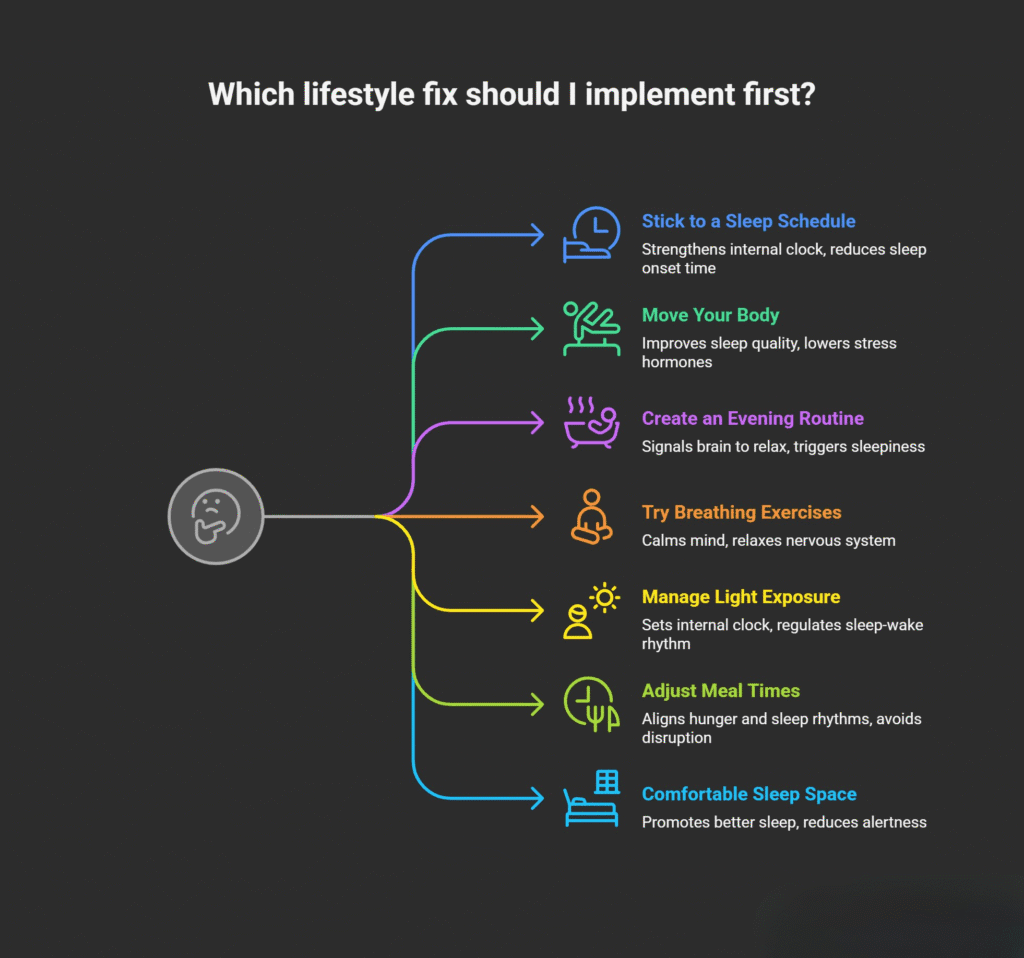
You don’t have to implement all these changes at once. Pick one or two that feel easiest and start there. Maybe you’ll set a consistent bedtime this week and add a short walk in the mornings next week.
Pay attention to what helps. If screen-free evenings make a big difference, prioritize that habit. If exercise improves your sleep, build it into your daily routine. Small wins create momentum.
The lifestyle fixes that balance sleep and stress aren’t complicated or expensive. They’re simple, research-backed habits that work with your body’s natural rhythms. Give them a few weeks to take effect, and notice how you feel. Better sleep and lower stress might be closer than you think.
This article is part of our 7 Healthy Daily Lifestyle Choices That Transform Your Well-Being pillar guide, where we explore practical, science-backed habits that improve energy, sleep, focus, and overall well-being in everyday life.
My Experience & Insights
While researching the stress-sleep connection for this article, I came across something surprising: students with poor sleep quality are 4.7 times more likely to experience moderate to severe stress than those who sleep well. That study from the University of Indonesia tracked 450 college students and found that 76% had poor sleep quality—and those same students reported significantly higher stress levels.
That finding stuck with me because it mirrors what I’ve heard from readers on healthiwellness.com over the past three years. People don’t always realize how tightly their daily habits connect to their sleep troubles. They might blame stress at work or family responsibilities, but when you dig deeper, it’s often a combination of small patterns—late-night scrolling, inconsistent bedtimes, skipping exercise—that quietly chip away at sleep quality.
To make this easier for readers to understand, I built a simple tool called the Stress-Sleep Connection Quiz. It walks you through 10 questions about your daily routines, sleep environment, and habits—things like what time you go to bed, how much screen time you get before sleep, whether you exercise regularly, and how you wind down in the evening. After you answer, it calculates a personalized score from 1 to 10 and gives you three priority fixes based on your responses.
The idea came from research showing that personalized sleep interventions work better than generic advice. A 2023 pilot study found that when people received tailored sleep recommendations matched to their specific habits, those who followed the suggestions saw measurable improvements in their overall sleep health. The key was making the advice specific—not just “sleep more,” but “shift your bedtime 15 minutes earlier and get morning sunlight within an hour of waking.”
What I’ve learned through building this tool and talking with users is that most people already know the basics—they just don’t know which changes will help them most. One person might need to cut evening caffeine, while another’s biggest issue is an irregular sleep schedule. The quiz helps pinpoint where to start, so you’re not overwhelmed trying to fix everything at once.
The Pittsburgh Sleep Quality Index (PSQI), which researchers have used since 1989 to assess sleep quality, measures seven components: subjective sleep quality, sleep latency, sleep duration, sleep efficiency, sleep disturbances, use of sleep medication, and daytime dysfunction. A score above 5 indicates poor sleep quality, with 90% sensitivity and 87% specificity in identifying sleep problems. Our quiz takes a similar approach but simplifies it into actionable insights you can use tonight.
I’ve seen hundreds of responses since launching the tool, and the patterns are consistent. People who score lowest (indicating the worst sleep-stress connection) typically have irregular bedtimes, high evening screen time, and no consistent wind-down routine. Those scoring highest tend to exercise regularly, stick to a sleep schedule, and limit screens before bed. These aren’t surprising findings, but seeing them play out in real data reinforces how powerful small, consistent habits really are.
If you’re curious where your habits fall on the spectrum, I’d recommend taking the quiz. It only takes about three minutes, and you’ll get specific, research-backed suggestions tailored to your lifestyle. You can find it on healthiwellness.com under the wellness tools section. Whether you use the quiz or not, the main takeaway is this: your sleep quality and stress levels are deeply connected, and small changes to your daily routine can break that cycle faster than you might think.
Stress-Sleep Connection Quiz
Discover how your daily habits impact sleep quality and stress levels
Your Personalized Recommendations
Frequently Asked Questions
How quickly can lifestyle changes improve my sleep quality?
You can start noticing improvements within 3 to 7 days of consistently following better sleep habits. Small changes like sticking to a regular bedtime and avoiding screens before bed often show results the fastest. However, if you’ve had chronic sleep problems for months or years, give yourself 2 to 3 weeks of consistent habits to see significant changes. Your body needs time to reset its internal clock and establish new patterns.
Does poor sleep really affect my work productivity that much?
Yes, significantly. Research shows that people sleeping 5 to 6 hours experience 19% more productivity loss compared to those getting 7 to 8 hours. Those getting less than 5 hours see a 29% drop. Poor sleep affects your attention, decision-making, memory, and ability to handle stress—all critical for work performance. Studies also found that sleep deprivation impairs cognitive function as much as being intoxicated, making it harder to complete tasks efficiently.
What’s the single most effective habit for reducing stress and improving sleep?
If you can only change one thing, make it your bedtime consistency. Going to bed and waking up at the same time every day—even on weekends—strengthens your body’s internal clock more than any other single habit. This consistency helps regulate stress hormones like cortisol and makes falling asleep easier. Once this habit sticks (usually after 2 weeks), add a second change like morning exercise or an evening wind-down routine.
Can I catch up on lost sleep during weekends?
Not really. While sleeping in one or two extra hours can help you feel slightly more rested, it doesn’t fully compensate for chronic sleep deprivation during the week. Your body doesn’t “get used to” lack of sleep—it continues to suffer negative effects on your brain, immune system, and stress levels. Additionally, drastically different sleep schedules on weekends can throw off your internal clock and make Monday mornings even harder. Aim for consistent sleep every night instead.
Why do I still feel tired even when I sleep 7-8 hours?
Sleep quality matters as much as sleep quantity. You might be getting interrupted sleep, not enough deep sleep stages, or sleeping at inconsistent times. Other factors include stress hormones like cortisol interfering with sleep quality, a bedroom that’s too warm or noisy, or underlying issues like sleep apnea. Try improving your sleep environment (cool, dark, quiet), avoiding caffeine after 2 PM, and keeping your bedtime consistent for 2 weeks. If you still feel exhausted, consult a sleep specialist.
How does stress actually prevent me from falling asleep?
Stress triggers your body’s fight-or-flight response, releasing cortisol and adrenaline that keep you alert and raise your heart rate. When you’re lying in bed worrying, your brain stays in an activated state instead of shifting into rest mode. Chronic stress also disrupts your sleep-wake cycle and reduces deep sleep quality. Breaking this cycle requires active stress management—like breathing exercises, meditation, or a consistent wind-down routine—to signal your nervous system that it’s safe to relax.
Related Web Stories
A Simple, Unexpected Link Between Daily Stress and Sleep

💊 Do not rely solely on online content for diagnosis or treatment.
📜 Information here is provided “as is” without any warranties.