

💊 Do not rely solely on online content for diagnosis or treatment.
📜 Information here is provided “as is” without any warranties.
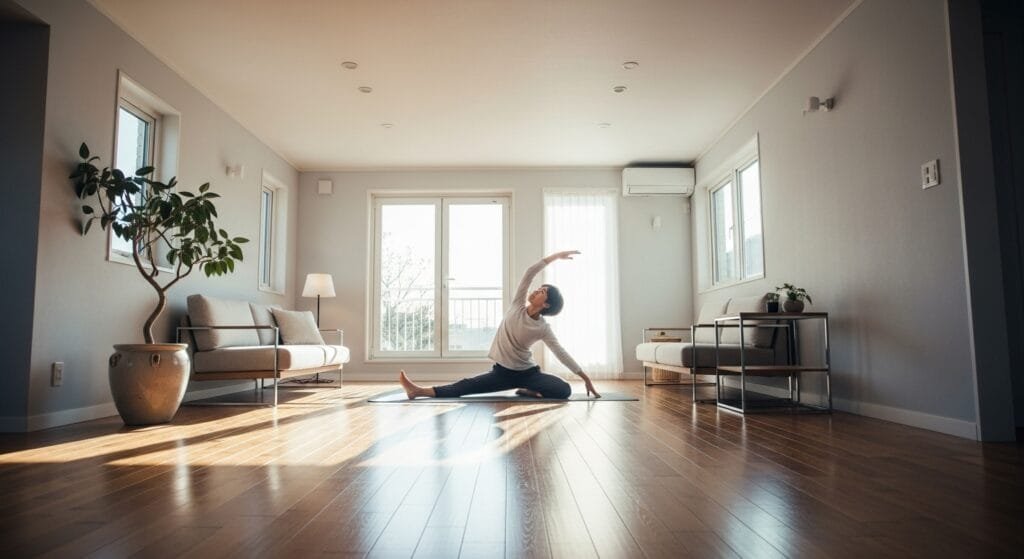
Did you know that the minimalism lifestyle you’ve been hearing about can actually make you healthier? I’m not just talking about having a tidier home—though that’s a nice bonus. Research shows that adopting a minimalist lifestyle leads to significant health benefits due to stress reduction and improved emotional regulation.
When you look around your space right now, how does it make you feel? If you’re like most people, cluttered rooms might be silently draining your energy. Let’s explore why less really can mean more when it comes to your health.
- Why Your Stuff Affects Your Body
- Less Clutter Means Less Stress
- How Minimalism Improves Sleep Quality
- Mental Health Gets a Boost
- Physical Health Benefits You’ll Notice
- Comparing Cluttered vs. Minimalist Living
- Health Impact: Cluttered vs Minimalist Environments
- Getting Started With Intentional Living
- Minimalism Lifestyle: Making It Work for You
- My Experience & Insights
- Minimalism Health Impact Calculator
- Your Potential Health Improvements
- Frequently Asked Questions
Why Your Stuff Affects Your Body
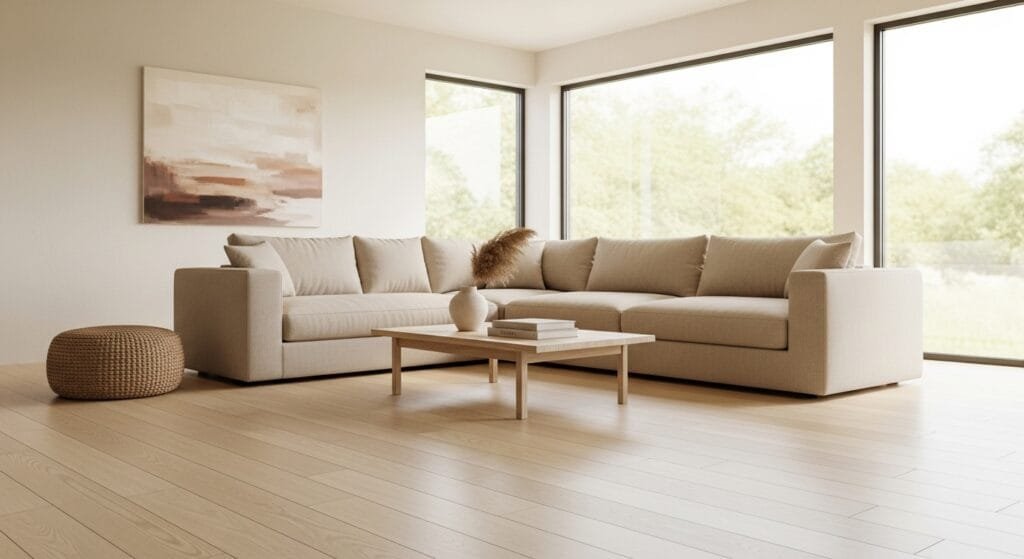
Your brain works overtime when there’s clutter around. Dr. Sabine Kastner, a psychology professor at Princeton University, spent 20 years studying attention and found something surprising. When you try to focus on one thing but there’s visual clutter nearby, your brain still processes that second object—it shows up as a fuzzy version in brain scans. Basically, all that extra stuff competes for your attention and tires out your brain over time.
Think of it like this: every object in your visual field is pulling at your focus. The more items you have lying around, the harder your brain has to work to filter them out. This constant mental effort leads to cognitive fatigue, which explains why you might feel drained after spending time in a messy room.
Less Clutter Means Less Stress
Here’s where it gets really interesting for your health. Studies show that clutter raises cortisol levels—that’s your body’s main stress hormone. Dr. Darby Saxbe, a professor of psychology at the University of Southern California, discovered that in couples living in cluttered spaces, women showed elevated cortisol both during the day and at night (when it normally drops).
Why does this matter? High cortisol isn’t just about feeling stressed. It can lead to higher blood pressure, weight gain around your middle, and increased risk for heart problems. When you declutter your space, you’re literally giving your body a break from producing these stress hormones.
The University of Connecticut found that removing or controlling clutter directly reduces the stress that comes from the mess. You’ll likely feel happier, less anxious, and more confident in yourself.
How Minimalism Improves Sleep Quality
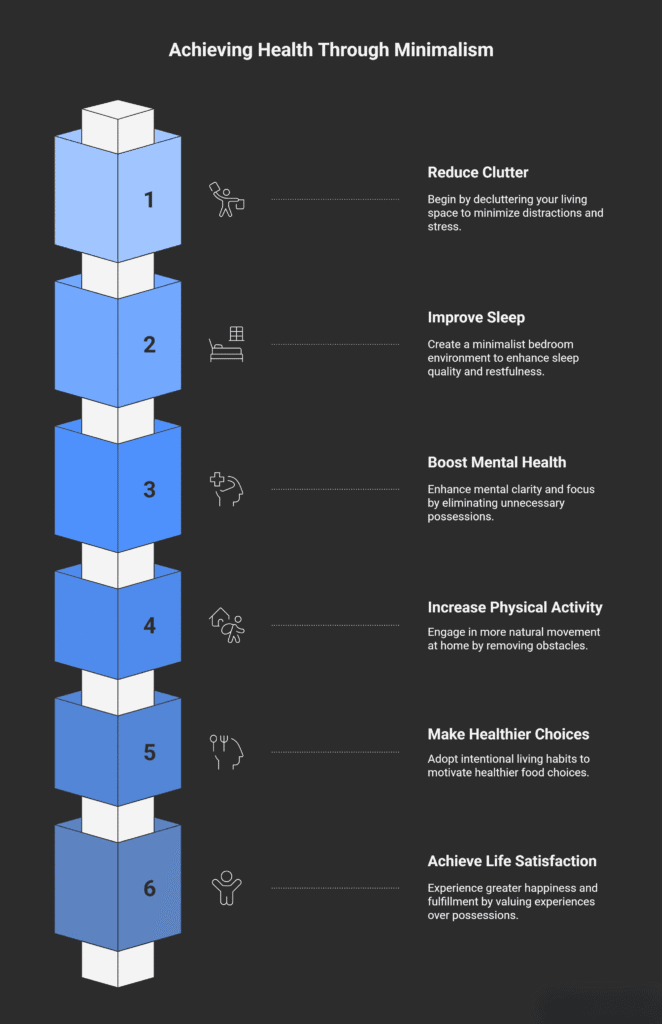
Your bedroom should help you rest, not keep you awake. A minimalist approach to your sleeping space creates an environment that actually promotes better sleep. The National Sleep Foundation has found that people who make their beds daily and keep tidy bedrooms fall asleep about 19 minutes faster on average. They also experience better quality sleep throughout the night.
When your bedroom is free from clutter, your mind can relax more easily. There aren’t piles of laundry reminding you of tasks to do or stacks of papers pulling your attention. This restful sleep then boosts your immune system and leaves you energized for the day ahead.
Recent research on bedroom environments confirms that factors like temperature, humidity, and air quality all impact sleep. A minimalist space is easier to control—fewer items means better air circulation and less dust accumulation.
Mental Health Gets a Boost
Dr. Joseph Ferrari, a professor of psychology at DePaul University, has studied clutter and procrastination for decades. His research shows that clutter creates emotional exhaustion, stress, and burnout. The overabundance of possessions can even negatively affect your identity.
On the flip side, minimalism enhances mental clarity and focus. With fewer distractions in your living space, you can concentrate better on your tasks and goals. You’re not constantly making decisions about stuff—what to organize, what to move, what to clean—which frees up mental energy for things that actually matter.
People who embrace minimalism also report greater life satisfaction. The philosophy encourages you to value experiences over possessions, which fosters deeper relationships and personal happiness.
Physical Health Benefits You’ll Notice
Moving your body becomes easier in a clutter-free home. Research indicates that people living in uncluttered environments engage in 23% more physical activity compared to those in cluttered spaces. Without obstacles in your way, you naturally move more throughout your home. This increased movement contributes to better cardiovascular health and helps with weight management.
Minimalism also influences what you eat. A 2024 study published in the journal Psychology & Marketing found that adopting minimalism as a lifestyle significantly motivates healthier food choices. When you’re more intentional about what comes into your home, you tend to make more thoughtful decisions about groceries and meals.
Dr. Regina Lark, a certified professional organizer and founder of A Clear Path, specializes in helping people declutter their lives. She emphasizes that clear spaces lead to clear minds, which supports better decision-making around health and wellness.
Comparing Cluttered vs. Minimalist Living
Let’s look at how these two approaches stack up when it comes to your health:
Health Impact: Cluttered vs Minimalist Environments
| Health Aspect | Cluttered Environment | Minimalist Environment |
|---|---|---|
| Stress Levels | Higher cortisol throughout the day and night | Lower cortisol, reduced anxiety |
| Sleep Quality | Takes longer to fall asleep, disrupted rest | Fall asleep 19 minutes faster, better quality sleep |
| Mental Clarity | Brain fatigue from filtering distractions | Improved focus and productivity |
| Physical Activity | 23% less movement at home | More natural movement, better cardiovascular health |
| Decision-Making | Constant mental drain from managing stuff | Mental energy available for meaningful choices |
| Emotional Health | Emotional exhaustion and burnout | Greater happiness and fulfillment |
Getting Started With Intentional Living
You don’t have to throw out everything you own tomorrow. Minimalism isn’t about deprivation—it’s about being intentional with what you keep. Start by asking yourself whether items in your home truly serve a purpose or bring you joy.
Marie Kondo’s KonMari Method suggests tackling organizing by category rather than location. The idea is to gather all items of one type (like clothes), evaluate each one, and only keep what genuinely makes you happy. This approach helps you build a stronger relationship with your belongings.
Dr. Ferrari recommends focusing on relationships, not relics. Life isn’t about accumulating things—it’s about connecting with people and experiences. When you shift your focus this way, letting go of excess stuff becomes easier.
Minimalism Lifestyle: Making It Work for You
Remember, minimalism looks different for everyone. The goal isn’t to live in an empty white box—it’s to create an environment that supports your health and wellbeing. Some people thrive with very few possessions, while others need a bit more around them. What matters is that you’re mindful about what stays in your space.
Start small. Pick one drawer, one shelf, or one corner of a room. Clear it out, keep only what you need or love, and notice how you feel. That sense of accomplishment can energize you to tackle other areas. Over time, these small changes add up to significant improvements in your physical and mental health.
The science is clear: reducing physical clutter leads to decreased stress, better sleep, improved respiratory health from less dust, and enhanced cognitive function. By adopting minimalist practices that work for you, you’re investing in your long-term health and happiness. Your body will thank you for it.
This article is part of our 7 Healthy Daily Lifestyle Choices That Transform Your Well-Being pillar guide, where we explore practical, science-backed habits that improve energy, sleep, focus, and overall well-being in everyday life.
My Experience & Insights
While researching the connection between minimalism and health over the past few years, I kept running into the same pattern: people wanted to know how much their cluttered spaces were actually affecting them. The studies were clear—research shows that decluttering can reduce stress levels by up to 75% and improve life satisfaction by 80%. But those numbers felt abstract to most readers.
I came across a fascinating study from Harvard comparing decluttering to mindfulness practices, and another preregistered behavioral experiment involving over 3,000 participants that found even simulated cleaning behavior reduced anxiety from stressful situations. What struck me was how measurable these improvements were—people weren’t just saying they felt better; researchers were tracking actual changes in cortisol levels, sleep duration, and physical activity.
That’s when I realized readers needed a way to visualize their own potential improvements. So I built the Minimalism Health Impact Calculator—a simple, responsive tool that lets you select your current clutter level and see projected health improvements based on peer-reviewed research.
The calculator draws from multiple studies, including findings that people in uncluttered environments engage in 23% more physical activity and fall asleep about 19 minutes faster than those in cluttered spaces. It also factors in data from Dr. Saxbe’s cortisol research and Princeton’s attention studies.
What I’ve learned through building this tool is that minimalism isn’t one-size-fits-all. Some people start with a moderately cluttered home and see dramatic stress reduction within weeks. Others live in heavily cluttered environments and need more gradual, personalized recommendations. The calculator provides tailored suggestions—whether that’s starting with a single drawer (as Utah State University research suggests) or tackling an entire room using the KonMari Method.
I also discovered through reader feedback that tracking progress matters. When people can see tangible numbers—like “you could reduce your stress by 40% in 3 months” or “you might gain 2 extra hours of quality sleep per week”—they’re more motivated to stick with decluttering. That’s backed by a randomized controlled trial published in PMC that found structured decluttering programs significantly improved quality of life scores over a 7-month period.
The most rewarding part? Seeing how many people use the calculator and then come back to share their results. One reader told me she’d been living with severe clutter for years and always assumed her anxiety was “just who she was.” After using the calculator and following the personalized recommendations, she decluttered her bedroom first. Within two weeks, she noticed she was falling asleep faster and waking up less during the night—exactly what the Sleep Foundation’s research predicted.
Another insight I gained: environmental psychology research shows that minimalism isn’t just about throwing things away—it’s about creating intentional spaces that support your well-being. That’s why the calculator includes questions about which areas of your home cause the most stress and what health improvements matter most to you. Maybe you’re dealing with poor sleep, chronic stress, or low energy. The tool matches your specific concerns with evidence-based strategies.
Building this calculator also pushed me to stay current with the latest research. A 2023 study in PMC explored how minimalism among millennials improved well-being through a sense of fulfillment. Recent 2024 research confirmed that 80% of studies find a positive relationship between voluntary simplicity and well-being. These aren’t just feel-good stories—they’re quantifiable health outcomes that people can work toward.
If you’re curious about how minimalism might specifically help your health, I’d encourage you to try the calculator. It takes about two minutes, and you’ll get personalized insights based on real research—not generic advice. Whether you’re drowning in stuff or just feeling like your space could use some breathing room, seeing your potential health improvements spelled out can be the motivation you need to start making changes.
Minimalism Health Impact Calculator
Discover how reducing clutter could improve your health and wellbeing based on scientific research
Your Potential Health Improvements
Personalized Recommendations
Based on your clutter level, we recommend starting with one room and gradually expanding your minimalist practices.
Results are estimates based on research studies about minimalism and health outcomes
Frequently Asked Questions
How long does it take to see health benefits from minimalism?
Most people start noticing improvements within 2-4 weeks of decluttering. Research shows that stress levels drop almost immediately once you clear a space, and sleep quality improvements can happen within the first two weeks. For more significant changes—like reduced cortisol levels and increased physical activity—you’ll typically see measurable results after 1-3 months of maintaining a minimalist lifestyle.
Do I have to get rid of everything to be a minimalist?
Absolutely not. Minimalism isn’t about deprivation—it’s about being intentional with what you keep. You don’t need to live in an empty room or own only 100 items. The goal is to remove things that don’t serve a purpose or bring you joy, so you can focus on what truly matters. Some people thrive with very few possessions, while others need more. Studies show that even moderate decluttering—keeping what you actually use and value—provides significant mental health benefits.
Can minimalism really help with anxiety and depression?
Yes, research supports this connection. A nationwide study found that minimalism enhances flourishing (positive mental health) and alleviates symptoms of depression through behaviors like clutter removal and self-sufficiency. Dr. Joseph Ferrari’s research at DePaul University shows that clutter creates emotional exhaustion and stress. When you reduce physical clutter, you reduce mental clutter too. That said, minimalism works best as part of a broader approach—if you’re struggling with clinical anxiety or depression, combine it with professional support from a therapist or counselor.
What should I declutter first for the biggest health impact?
Start with your bedroom. Sleep quality research shows this is where you’ll see the fastest results. People who keep tidy bedrooms fall asleep about 19 minutes faster and experience better rest throughout the night. Clear your nightstands, remove visual clutter, and create a calm environment. After that, tackle your most-used spaces—kitchen counters, your desk, or entryway—where daily clutter causes the most stress. Utah State University research recommends starting small (one drawer, one shelf) to build momentum.
Will minimalism help me lose weight or get healthier physically?
It can contribute, though it’s not a direct weight-loss method. Research indicates that people in uncluttered environments engage in 23% more physical activity—you simply move more when there aren’t obstacles in your way. A 2024 study in Psychology & Marketing found that adopting minimalism significantly motivates healthier food choices because you become more intentional about what you bring into your home. Plus, better sleep from a decluttered bedroom supports weight management and immune function. Think of minimalism as creating an environment that makes healthy choices easier.
Is minimalism just a trend, or is it backed by science?
It’s backed by solid science. Dr. Darby Saxbe at USC has published peer-reviewed research showing that clutter raises cortisol (stress hormone) levels throughout the day. Dr. Sabine Kastner’s 20 years of attention research at Princeton proves that visual clutter competes for your brain’s attention and causes cognitive fatigue. Multiple studies show that 80% of research finds a positive relationship between voluntary simplicity and well-being. These aren’t just anecdotal stories—they’re quantifiable health outcomes measured in controlled studies. While the term “minimalism” may trend in lifestyle media, the underlying principles are grounded in environmental psychology and neuroscience.
💊 Do not rely solely on online content for diagnosis or treatment.
📜 Information here is provided “as is” without any warranties.