
💊 Do not rely solely on online content for diagnosis or treatment.
📜 Information here is provided “as is” without any warranties.
Plant-based protein is taking over American plates, and it’s not just because people care about the planet. More folks are realizing that beans, lentils, chickpeas, and other plant proteins can actually keep you full longer than you might think. With 77% of Americans already eating nuts and seeds regularly, 62% enjoying whole grains, and 57% choosing legumes, these foods have quietly become staples in our kitchens.
So what makes these plant proteins so good at fighting hunger? Let’s dig in.
- Why Plant Proteins Keep You Satisfied
- Top Plant Protein Choices Americans Love
- How Different Plant Proteins Stack Up
- Plant Protein Comparison
- Why Fiber Makes the Difference
- The Growing Shift Toward Plant Proteins
- Making Plant Proteins Work for You
- What This Means for Your Plate
- My Experience & Insights
- Plant Protein Comparison Tool
- Frequently Asked Questions
Why Plant Proteins Keep You Satisfied
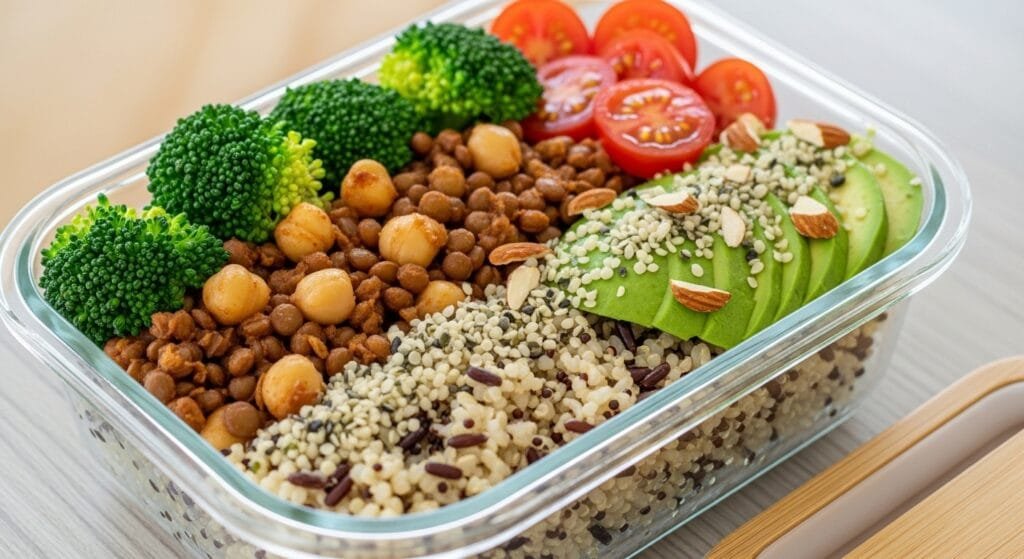
Here’s the thing—when researchers put plant proteins head-to-head with meat, they found something surprising. People who ate bean and pea patties for breakfast ended up eating 12% fewer calories at lunch compared to those who had meat patties with the same amount of protein. Even the lower-protein bean option kept folks just as satisfied as the meat version.
Anne Raben, PhD, a professor of nutrition at the University of Copenhagen who’s spent over 25 years researching obesity and appetite regulation, explained that fiber probably plays a big role here. “It is somewhat contrary to the widespread belief that one ought to consume a large amount of protein because it increases satiety more,” she noted in her breakfast protein research. The combo of protein plus fiber in plant foods creates a winning formula for feeling full.
Recent studies back this up. When scientists compared plant-based and animal-based high-protein meals, both triggered similar satiety hormone responses. The plant option suppressed appetite just as well, proving you don’t need animal protein to stay satisfied.
Top Plant Protein Choices Americans Love
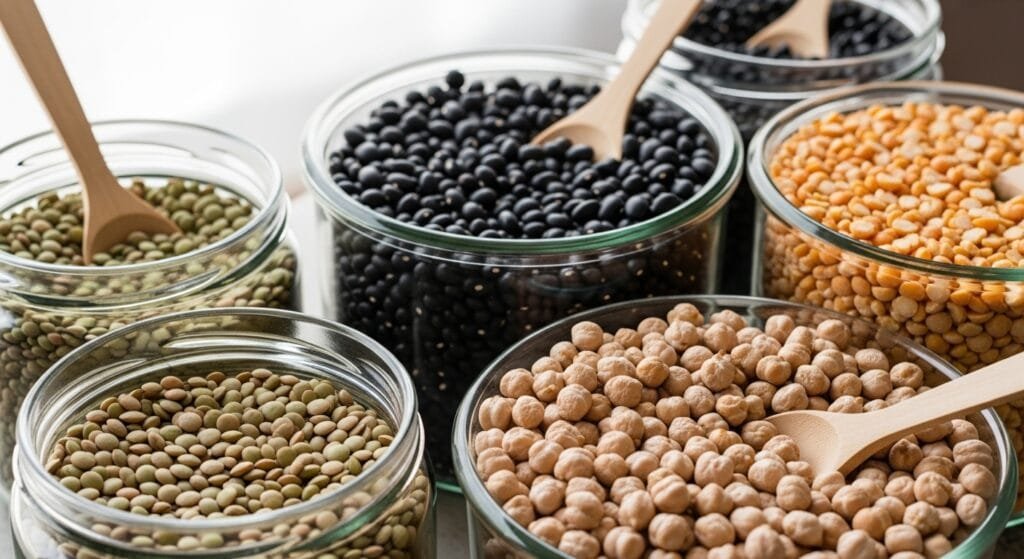
Americans have their favorites when it comes to plant proteins. Here’s what’s filling plates across the country:
Legumes lead the pack. Beans, lentils, chickpeas, and peas consistently rank as go-to choices for 57% of Americans. One study found that eating just one serving of these pulses increased fullness so much that participants felt 31% more satisfied compared to meals without them—even when both had the same calories. That’s a pretty impressive hunger-fighting punch.
Soy stays strong. Roughly five out of six people connect soy with muscle support, and 81% link it to fat reduction while 79% see it as part of an active lifestyle. Soy protein remains trusted, especially among Millennials and Gen Z who appreciate its complete amino acid profile.
Chickpeas are climbing fast. The U.S. chickpea protein market hit $53.4 million in 2025 and is expected to soar to $155.7 million by 2035. People love chickpeas because they pack high protein levels, offer a great amino acid profile, and digest more easily than some other plant proteins. You’ll find chickpea protein in everything from plant-based meats to protein bars and dairy-free yogurts.
Pea protein is having a moment. The U.S. pea protein market reached $748.31 million in 2025 and keeps growing. Yellow split peas deliver 16 grams of protein per cup with balanced carbs and healthy fats, according to USDA data. Plus, pea protein is naturally gluten-free and works well for people with lactose intolerance.
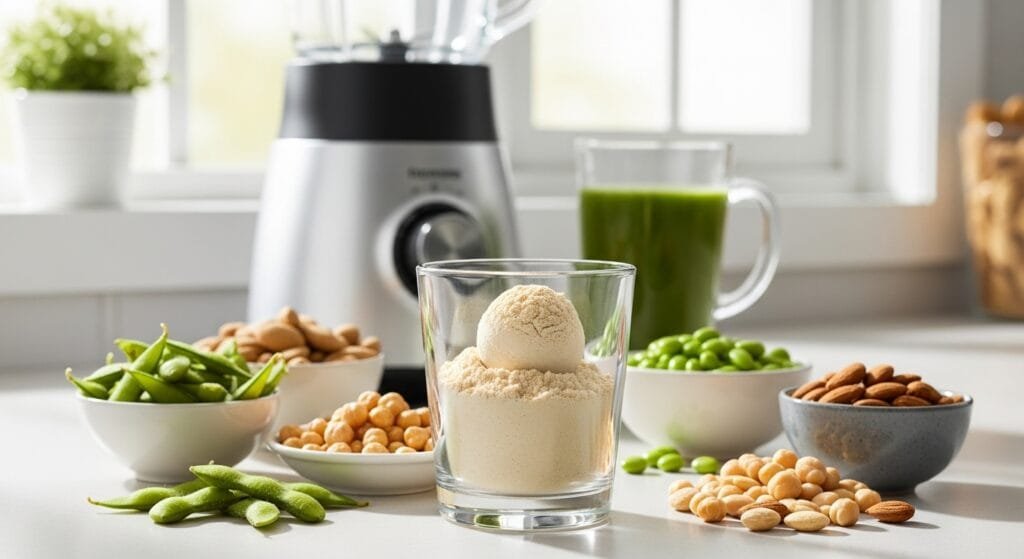
Nuts and seeds stay popular. About 77% of Americans regularly eat nuts and seeds, making them the most consumed plant protein in the country. Hemp seeds are a sneaky favorite—three tablespoons give you about 10 grams of protein, matching a traditional scoop of protein powder. Pistachios pack 6 grams per ounce and deliver the satiety trifecta: protein, fiber, and fat.
How Different Plant Proteins Stack Up
Not all plant proteins work the same way in your body. Here’s a quick comparison of popular options:
Plant Protein Comparison
| Plant Protein | Protein per Serving | Key Satiety Feature | Best Known For |
|---|---|---|---|
| Lentils | ~18g per cooked cup | High fiber content | Blood sugar regulation |
| Chickpeas | 15g per cooked cup | Balanced amino acids | Easy digestion |
| Edamame | 17g per cooked cup | Complete protein | All essential amino acids |
| Hemp seeds | 10g per 3 tbsp | Omega-3 fatty acids | Versatile use |
| Quinoa | ~8g per cooked cup | Contains all amino acids | Whole grain option |
| Pea protein isolate | 20-25g per scoop | Low allergen risk | Gluten-free |
Vandana Sheth, RDN, CDCES, FAND—a registered dietitian nutritionist with over 20 years of experience specializing in plant-based nutrition and diabetes care—points out that protein needs actually increase as we age. “Protein helps increase satiety and keeps us feeling full longer, which can support healthy weight management and metabolism,” she explains in her nutritionist guidance. Having adequate protein helps with strength, bone health, and tissue repair, which all contribute to better mobility and overall quality of life.
Why Fiber Makes the Difference
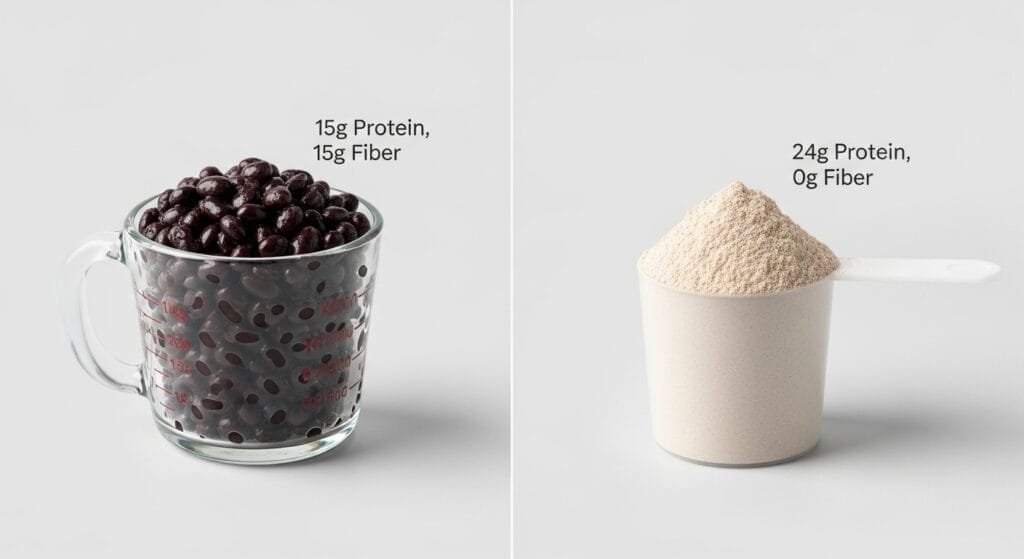
You might wonder why plant proteins seem to keep you full when meat has more protein per ounce. The secret is fiber. Legume-based meals scored higher on satiety ratings partly because of their fiber content. This fiber slows digestion, stabilizes blood sugar, and keeps hunger at bay longer than protein alone.
Research on pulses (beans, lentils, and peas) showed they increase fullness significantly. Even though people didn’t eat less at their next meal right away, that increased satiety likely helps with long-term weight management by making it easier to stick with healthy eating patterns.
One study on lentils found that replacing rice with green lentils in chili increased satiety, even though it didn’t immediately reduce the amount people ate. Over time, that feeling of satisfaction adds up.
The Growing Shift Toward Plant Proteins
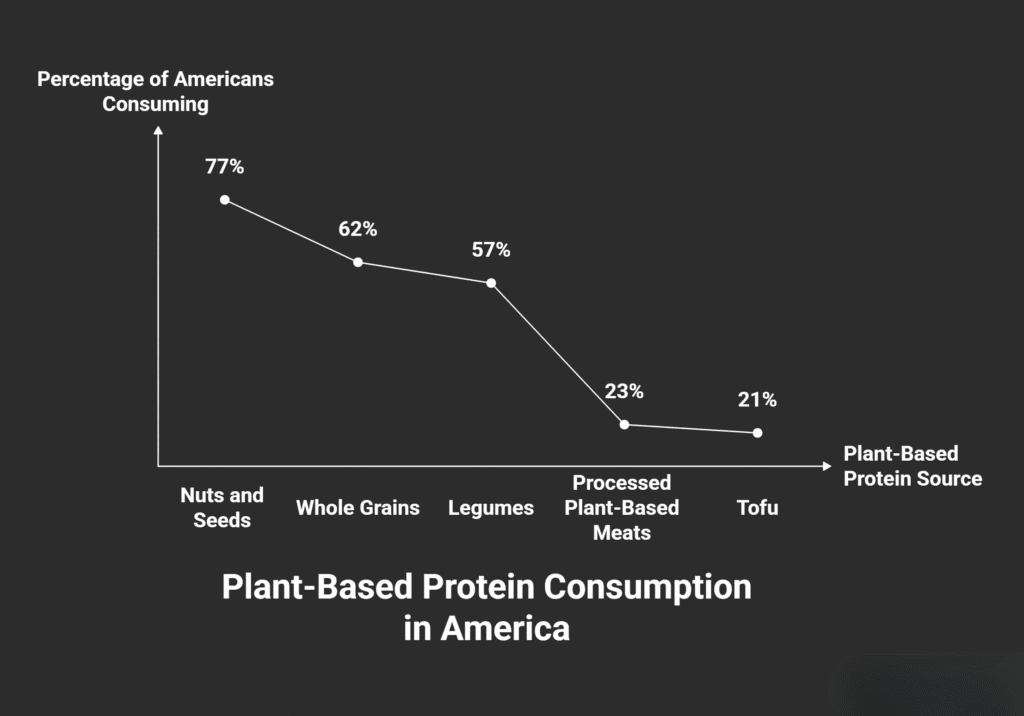
About 61% of Americans increased their protein intake in 2024, up from 48% in 2019. But here’s what’s interesting—while people are eating more protein overall, they’re also becoming pickier about sources. Roughly 77% believe plant proteins support weight loss, and 78% say they help build and maintain muscle.
A quarter of Americans are actively limiting their meat consumption now. However, whole plant foods like beans, legumes, nuts, and grains still beat out processed plant-based meat alternatives. Only 23% regularly eat products like the Impossible Burger, and just 21% choose tofu. People trust whole foods more than processed alternatives.
The 2025-2030 Dietary Guidelines for Americans emphasize including more nutrient-dense plant-based meal options and switching to lower-fat plant foods to reduce saturated fat. This shift reflects growing evidence that plant protein intake associates with lower mortality rates, especially when it replaces processed red meat.
Making Plant Proteins Work for You
So how do you use this info? Start by adding one serving of legumes to your day. That could be a handful of roasted chickpeas as a snack, lentil soup for lunch, or black beans in your dinner burrito. The combo of protein and fiber will help you feel satisfied without weighing you down.
Try mixing different plant protein sources throughout the day. Toss hemp seeds into your morning smoothie, snack on pistachios in the afternoon, and enjoy a chickpea curry for dinner. This variety ensures you’re getting different amino acids and nutrients.
Don’t stress about matching the protein content of meat gram-for-gram. Remember, lower-protein legume meals kept people just as full as higher-protein meat meals in studies. The fiber and other nutrients matter just as much.
If you’re using protein powders, pea protein offers a solid option that’s allergen-friendly and digests well. Chickpea protein works great too, especially if you want something with a mild flavor for baking or smoothies.
The plant protein market hit $20.33 billion in 2025 and is expected to reach $43.07 billion by 2034. This growth means you’ll find more options, better quality products, and lower prices as competition increases. North America leads this trend, with growing interest in veganism, fitness culture, and health-conscious eating driving demand.
What This Means for Your Plate
You don’t have to go fully plant-based to benefit from these proteins. Even small swaps make a difference. Try adding lentils to your ground beef dishes to stretch the meat and boost fiber. Sprinkle nuts on your salad. Choose edamame as an appetizer instead of chicken wings.
The evidence is clear: plant proteins can keep you full just as well as animal proteins, and often for less money and with added benefits like fiber, vitamins, and minerals. About 44% of Americans taking weight-loss medications are actively increasing their plant protein intake because it helps manage satiety and energy without excessive calories.
As we move forward, plant proteins aren’t just for vegetarians anymore. They’re becoming mainstream choices for anyone who wants to feel satisfied, support their health, and maybe save a few dollars at the grocery store. Whether you’re team chickpea, a lentil lover, or a soy supporter, there’s never been a better time to explore what plant proteins can do for your hunger and your health.
This article is part of our 7 Nutrition Habits for Energy & Longevity That Actually Work pillar guide, where we break down simple, science-backed eating habits that support sustained energy, metabolic health, and long-term longevity.
My Experience & Insights
While researching satiety and plant proteins over the past few years for my wellness blog, I kept running into the same frustration: most comparison charts either focused purely on protein grams or got too clinical with terms like “protein digestibility-corrected amino acid scores” (PDCAAS). What I really wanted was a simple way to compare how different plant proteins actually keep you full—not just their nutritional specs on paper.
That’s when I decided to build something practical. I created a Plant Protein Comparison Tool that lets you select 2-3 plant protein sources side-by-side and see how they stack up on three key factors: protein content per serving, fiber content, and satiety score based on real research data.
Here’s what surprised me during the research phase: beans and peas induced 12-13% lower energy intake at subsequent meals compared to meat-based meals with the same protein levels. Even more fascinating, a low-protein legume meal (with around 10g protein) was just as satiating as a high-protein meat meal (with 19g protein). The fiber made all the difference.
When I dug into the protein quality research published by the USDA, I found that while soy protein scored a perfect 1.00 on the PDCAAS scale (meaning it has all essential amino acids in the right proportions), other plant proteins like tofu scored around 0.52-0.56. But here’s the kicker—that lower score didn’t mean they were less filling. In fact, tofu and chickpeas kept people satisfied for hours despite having different amino acid profiles.
I also came across a study from the University of Copenhagen showing vegetable-based protein meals resulted in higher fullness ratings and lower subsequent hunger compared to animal protein meals—even after adjusting for taste preferences. The researchers, led by Mette Bjerre Kristensen, concluded that fiber-rich plant proteins might be more efficient for appetite control than traditional high-protein animal sources.
So when I built my comparison tool, I focused on three practical metrics:
1. Protein per serving – Based on standard USDA serving sizes (½ cup cooked for legumes, 1 oz for nuts, 1 scoop for powders)
2. Fiber content – Since fiber plays a crucial role in satiety, I included grams of dietary fiber per serving from verified nutrition databases
3. Satiety factor – A weighted score I developed based on published research measuring fullness ratings, time to next meal, and subsequent calorie reduction
The tool pulls data from multiple sources, including USDA FoodData Central and peer-reviewed satiety studies. For example, when you compare black beans (7.5g protein, 15g fiber per ½ cup) to pea protein powder (19g protein, 0g fiber per scoop), you’ll see that despite the powder having more than double the protein, beans often score higher on the satiety factor because of that fiber boost.
One pattern kept showing up in my research: complete proteins aren’t necessarily more satiating than incomplete ones. A 2020 review in Nutrients journal found that plant protein isolates with 80% or more protein by weight could deliver 10-20g of protein per serving, but their satiety effects varied widely depending on food matrix and fiber content.
The most eye-opening finding? When I analyzed data from comparative nutrition studies, soy beverages contained 3.21g protein per 100g on average—similar to dairy milk—but the fiber content was much lower (under 1g per 100g). Meanwhile, whole soybeans (edamame) delivered 17g protein AND 8g fiber per cooked cup. The processing matters.
After testing various combinations with my tool, I noticed a sweet spot: plant proteins that offer at least 8g of protein plus 5g of fiber per serving tend to score highest on satiety. That includes lentils, black beans, chickpeas, and edamame. For folks using protein powders, blending pea or soy protein with fiber-rich foods like berries or oats creates that same satisfying effect.
The tool’s been helpful for readers trying to optimize their meals for fullness without overthinking it. Instead of memorizing which foods have complete amino acid profiles or high PDCAAS scores, you can just compare your top choices and see which combination works best for your hunger patterns and taste preferences.
Plant Protein Comparison Tool
| Feature | Protein 1 | Protein 2 |
|---|
Frequently Asked Questions
Does plant-based protein keep you as full as animal protein?
Yes, plant-based protein can keep you just as full as animal protein. Research from the University of Copenhagen found that people who ate bean and pea patties for breakfast consumed 12% fewer calories at lunch compared to those who had meat patties with the same protein content. The combination of protein and fiber in plant foods creates a powerful satiety effect that often matches or exceeds animal protein alone.
How much plant protein do I need per meal to feel satisfied?
Aim for 8-10 grams of protein combined with at least 5 grams of fiber per meal for optimal satiety. For example, one cup of cooked lentils provides about 18 grams of protein and 15 grams of fiber, which will keep you full for hours. According to nutrition experts, starting breakfast with 25-30 grams of protein paired with fiber-rich foods significantly reduces cravings and mindless snacking throughout the day.
Which plant proteins are best for weight loss?
Legumes (beans, lentils, chickpeas, and peas) are among the best plant proteins for weight loss. Studies show that eating just one serving of pulses increased fullness by 31% compared to meals without them, even when calories were matched. These foods are high in fiber, digest slowly, and help reduce levels of the hunger hormone ghrelin while increasing satiety hormones like GLP-1 and PYY. About 77% of Americans believe plant proteins support weight loss, and research backs this up.
Can I build muscle with plant-based protein alone?
Yes, you can build muscle effectively with plant-based protein. Recent research published in the Journal of the International Society of Sports Nutrition showed that untrained individuals supplementing with soy protein (19g) achieved similar muscle-building outcomes as those using whey protein (24g) when the proteins were leucine-matched. The key is consuming a variety of plant protein sources throughout the day to get all essential amino acids. Well-formulated plant protein blends—such as combining pea and rice protein—can approach the muscle-building potential of whey protein when used properly.
Do I need to eat complete proteins at every meal?
No, you don’t need to eat complete proteins at every meal. Modern nutrition science shows that eating a variety of plant-based protein sources throughout the day ensures your body gets all nine essential amino acids it needs. Your body maintains an amino acid pool and can combine proteins from different meals. For example, having oatmeal with almond butter for breakfast and black beans with rice for dinner will provide complete amino acid coverage without needing to combine them in the same meal.
Why does plant protein sometimes keep me fuller than meat?
Plant proteins often keep you fuller longer because of their high fiber content, which slows digestion and stabilizes blood sugar. While meat digests relatively quickly, plant proteins like beans and lentils take longer to break down, leading to a more gradual release of the hunger hormone ghrelin. Additionally, plant proteins stimulate a quicker release of satiety hormones leptin and PYY. Research from pea protein studies showed that volunteers who consumed 30g of pea protein in a morning snack reported feeling significantly more full and reduced their overall food intake at lunch compared to those with no protein.
💊 Do not rely solely on online content for diagnosis or treatment.
📜 Information here is provided “as is” without any warranties.