
💊 Do not rely solely on online content for diagnosis or treatment.
📜 Information here is provided “as is” without any warranties.
Slow strength fitness is changing how Americans approach their workouts in 2026, and you might be surprised to learn why. Instead of chasing high-intensity sprints and crushing heavy lifts at breakneck speed, more people are slowing down their movements and finding better results. This shift toward gentler, more intentional exercise isn’t just a passing fad—it’s backed by science, supported by experts, and happening in gyms across the country.
We’re seeing a real cultural change in how people view fitness. It’s not about burning yourself out anymore. It’s about building strength that lasts, protecting your joints, and actually enjoying the process. Let’s dive into why this trend is taking off and what it means for your workout routine.
- What Is Slow Strength Training?
- Why Americans Are Choosing Gentler Workouts
- The Science Behind Time Under Tension
- Comparing Slow Strength Fitness to Traditional Workouts
- Workout Comparison
- Real-World Benefits You’ll Notice
- Who Is Embracing This Trend?
- Practical Tips to Get Started
- The Role of Community and Accessibility
- What’s Falling Out of Favor?
- Looking Ahead: The Future of Fitness
- Final Thoughts
- My Experience & Insights
- Time-Under-Tension Calculator
- Frequently Asked Questions
What Is Slow Strength Training?
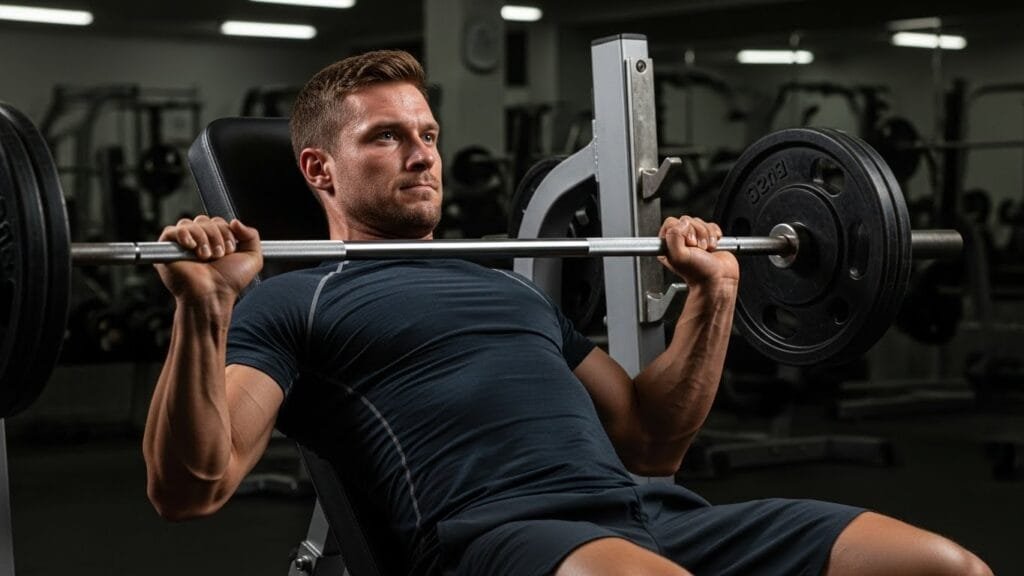
At its core, slow strength training means moving weights or your own body weight in a controlled, deliberate way. Instead of pumping out ten quick reps, you might lower a weight slowly for three or four seconds, pause, and then lift it back up with equal control. This method keeps your muscles under tension for longer periods, which research shows can lead to better muscle growth and strength gains.
Think of it like this: when you rush through a movement, momentum does some of the work for you. But when you slow down, your muscles have to work harder through the entire range of motion. That extra work translates to better results without needing to pile on heavier weights or risk injury.
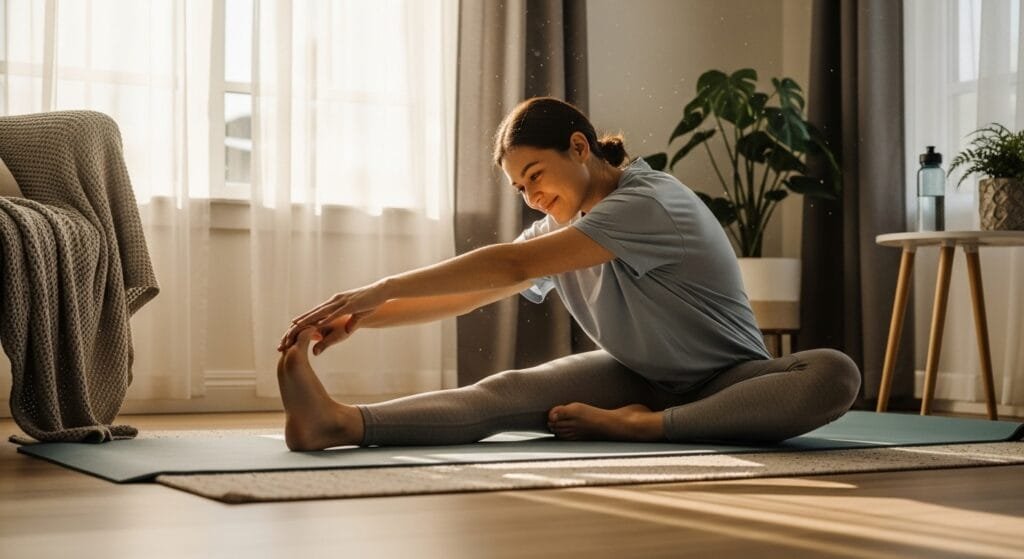
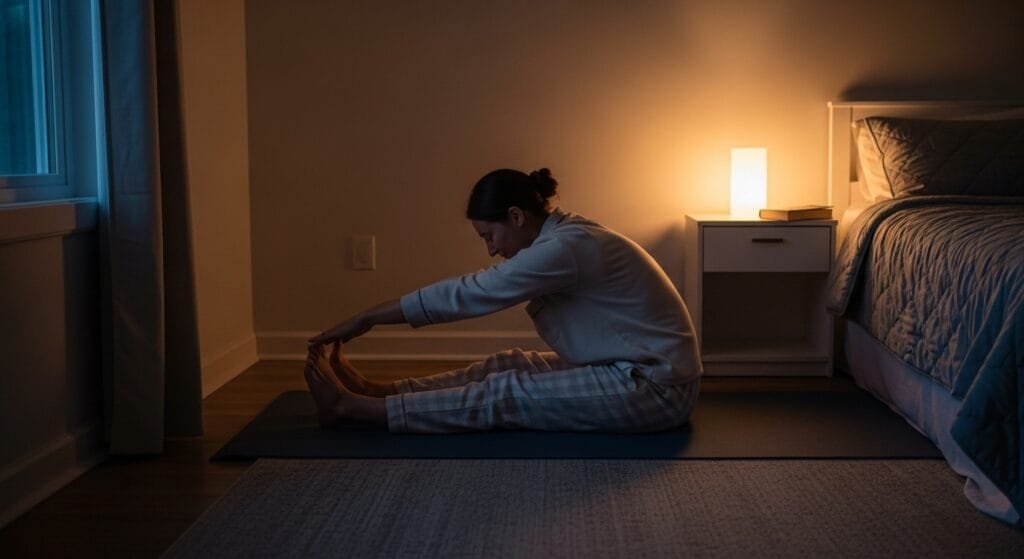
The trend also includes gentler modalities like Pilates, yoga, and walking workouts. These practices emphasize mindfulness, body control, and sustainable movement patterns. They’re not boring or easy—they’re just smart.
Why Americans Are Choosing Gentler Workouts

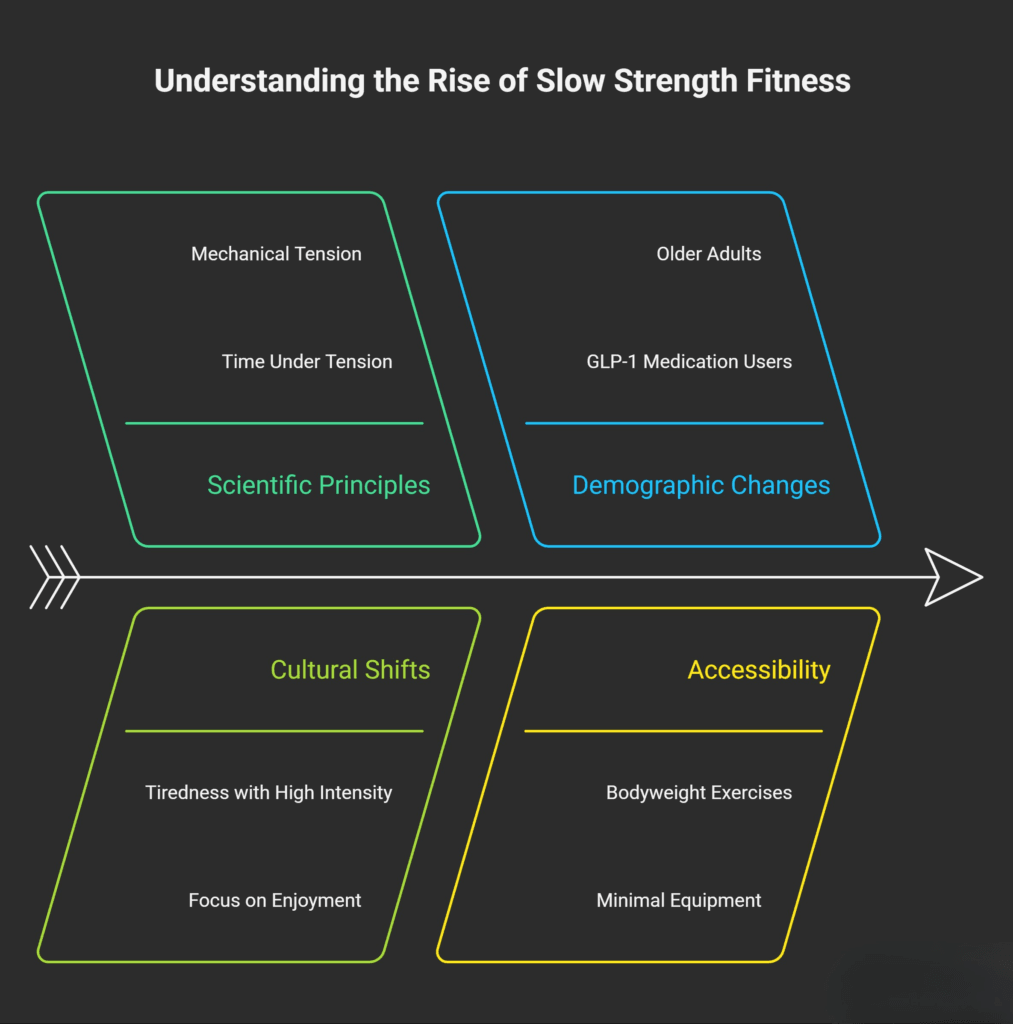
Several factors are driving this shift. For one, people are tired. After years of hustle culture and high-intensity everything, there’s a growing appetite for workouts that don’t leave you completely drained. The pandemic taught many of us to listen to our bodies better, and we’re carrying that lesson into 2026.
There’s also a demographic shift happening. More people taking GLP-1 medications for weight loss are being advised to add strength training to preserve muscle mass. Many of these individuals are new to exercise and need coaching that emphasizes form and safety over intensity. Slow strength training fits that bill perfectly.
Additionally, older adults and people in perimenopause or menopause are discovering that strength training doesn’t have to be punishing to be effective. They can build muscle, improve bone density, and boost metabolism with controlled, lower-impact movements.
Finally, the data speaks for itself. Google search data shows that interest in Japanese walking grew nearly 3,000% in 2025. This simple workout alternates between slow and fast walking intervals, proving that people want accessible, effective routines that don’t require fancy equipment or gym memberships.
The Science Behind Time Under Tension
One of the key principles behind slow strength fitness is something called “time under tension,” or TUT. This refers to how long your muscles are working during a set. When you slow down your reps, you increase TUT, which can stimulate greater muscle growth and improve strength.
Dr. Brad Schoenfeld, a professor at Lehman College, CUNY, and a leading researcher in muscle hypertrophy, has published over 300 articles on exercise science. His work highlights that mechanical tension is the primary driver of muscle growth, and slow, controlled movements maximize that tension. You don’t need to lift the heaviest weight in the room—you just need to keep your muscles engaged.
Research published in The Journal of Physiology found that increased time under tension produces greater increases in muscle protein production, which is essential for building muscle mass. That means slower reps can be just as effective, if not more so, than traditional fast-paced lifting.
Experts recommend a TUT of 20 to 70 seconds per set, depending on your goals. For muscle endurance and definition, aim for longer TUT (40-70 seconds). For muscle growth, moderate TUT (20-40 seconds) works well. Either way, you’re getting more bang for your buck without the joint strain that comes with heavier, faster lifts.
Comparing Slow Strength Fitness to Traditional Workouts
How does slow strength training stack up against traditional high-intensity workouts? Let’s break it down in a simple comparison:
Workout Comparison
| Aspect | Slow Strength Fitness | Traditional High-Intensity Workouts |
|---|---|---|
| Pace | Controlled, deliberate movements | Fast, explosive movements |
| Injury Risk | Lower; gentler on joints | Higher; more stress on joints and connective tissue |
| Time Under Tension | Longer, maximizing muscle engagement | Shorter, relies on momentum |
| Accessibility | Beginner-friendly, suitable for all ages | Can be intimidating for beginners |
| Mental Focus | Meditative, reduces stress | Often intense and mentally demanding |
| Recovery Time | Generally requires less recovery | Can lead to fatigue and longer recovery periods |
| Equipment Needed | Minimal; bodyweight or light weights work | Often requires heavier weights or specialized equipment |
This table shows that slow strength fitness offers a balanced approach. You can still build muscle and get stronger, but you’re doing it in a way that’s kinder to your body and easier to stick with over time.
Real-World Benefits You’ll Notice
So what does slowing down your workouts actually do for you? Here are some benefits people are reporting:
Better muscle activation: When you move slowly, you engage more muscle fibers, especially the deeper stabilizing muscles. This leads to improved strength and better muscle tone without needing to lift heavy.
Improved joint health: High-impact workouts can wear on your knees, hips, and back over time. Slow fitness is gentler, giving your joints more time to move through their full range of motion safely.
Enhanced flexibility and mobility: Taking your time with each movement naturally develops better flexibility. You’ll notice improved posture and easier daily movements.
Mental clarity and stress reduction: Slower workouts can have a meditative effect. You’re forced to be more present, which creates a sense of calm. It’s like a moving meditation that also builds muscle.
Time efficiency: Believe it or not, slow exercise sessions can be shorter while delivering equal or greater benefits. You don’t need to spend hours in the gym when you’re maximizing every rep.
Lower intimidation factor: Slower movements are less intimidating than fast-paced routines, making it easier to commit to regular exercise. This is huge for beginners or anyone recovering from injury.
Dr. Kelly Starrett, a doctor of physical therapy and expert on movement and mobility, emphasizes that sustainable fitness comes from respecting your body’s needs. His work, including his platform The Ready State, focuses on strategies that enhance mobility and offset aging through practical, everyday movement. Slow strength training aligns perfectly with this philosophy.
Who Is Embracing This Trend?
The slow strength movement isn’t limited to one demographic. We’re seeing uptake across age groups and fitness levels. Older adults love it because it’s joint-friendly and reduces injury risk. Women make up about 70% of Pilates practitioners, which has seen nearly 40% growth since 2019. Yoga, another slow-strength modality, increased by 23.6% over the same period.
Even experienced lifters are incorporating slow techniques. Fitness professionals are recommending pause squats, tempo lifts, and controlled rows to reveal weak spots and build more stable strength. These variations make lighter weights feel challenging without overwhelming your muscles.
People taking weight-loss medications are another growing group. They often arrive at gyms with low training experience and a high need for coaching and structure. Slow strength training provides exactly that: a safe, effective way to build muscle and support long-term weight management.
Beginners are also jumping on board. As fitness trainer Sumit Dubey notes in the Hindustan Times, starting strength training doesn’t mean lifting heavy from day one. The focus should be on learning correct form, building consistency, and respecting your body. The new year is a perfect time to slow down, set realistic expectations, and establish lasting habits.
Practical Tips to Get Started
Ready to try slow strength fitness? Here’s how to ease into it:
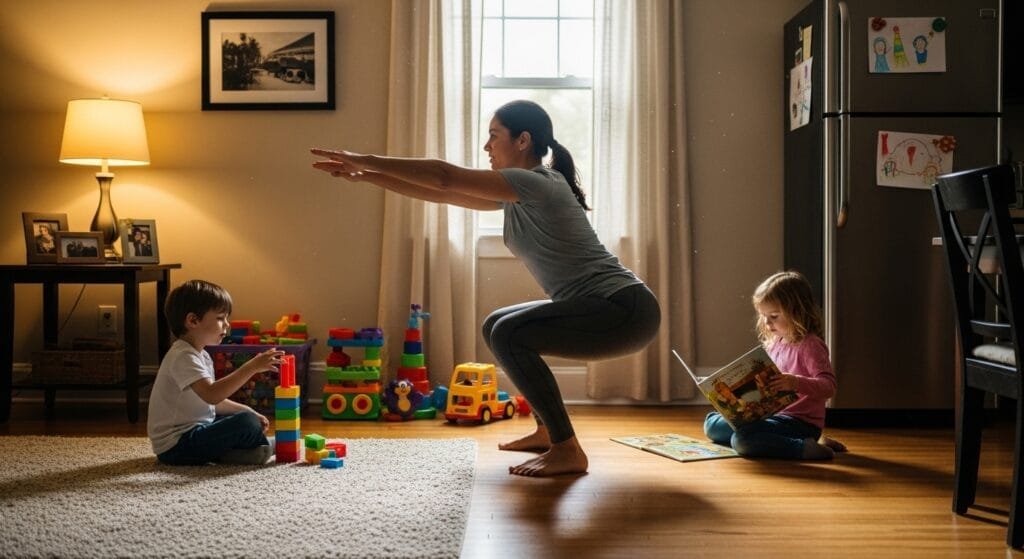
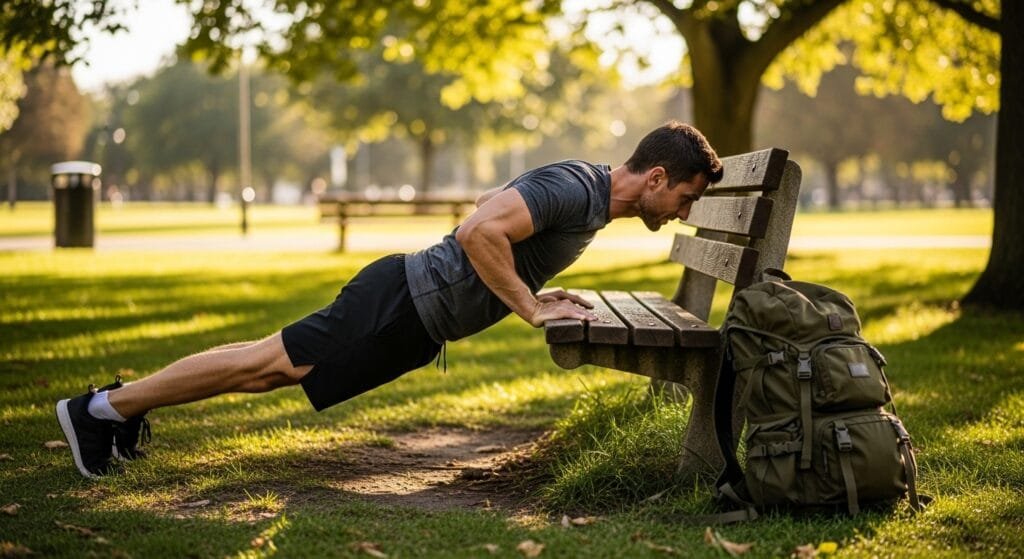
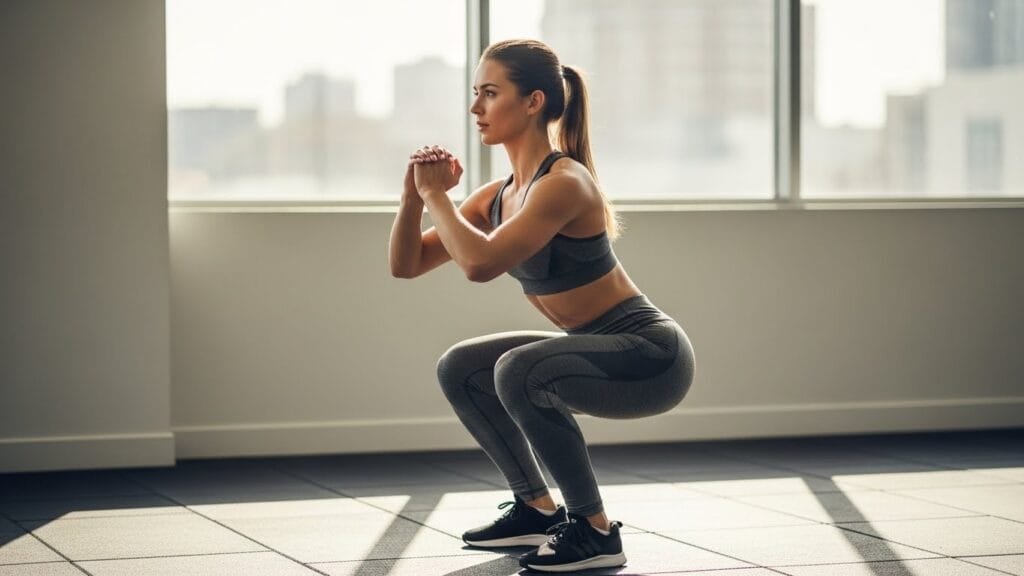
Start with bodyweight movements: You don’t need dumbbells or a gym membership. Try slow push-ups, squats, or lunges. Focus on lowering your body for a slow count of three or four, then pushing back up with control.
Use lighter weights: If you’re lifting, choose a weight that’s lighter than usual. The goal is to move it slowly and feel your muscles working throughout the entire range of motion.
Practice tempo lifts: Try a 3-1-3 tempo—three seconds to lower, one second pause, three seconds to lift. This simple tweak increases time under tension and builds muscle effectively.
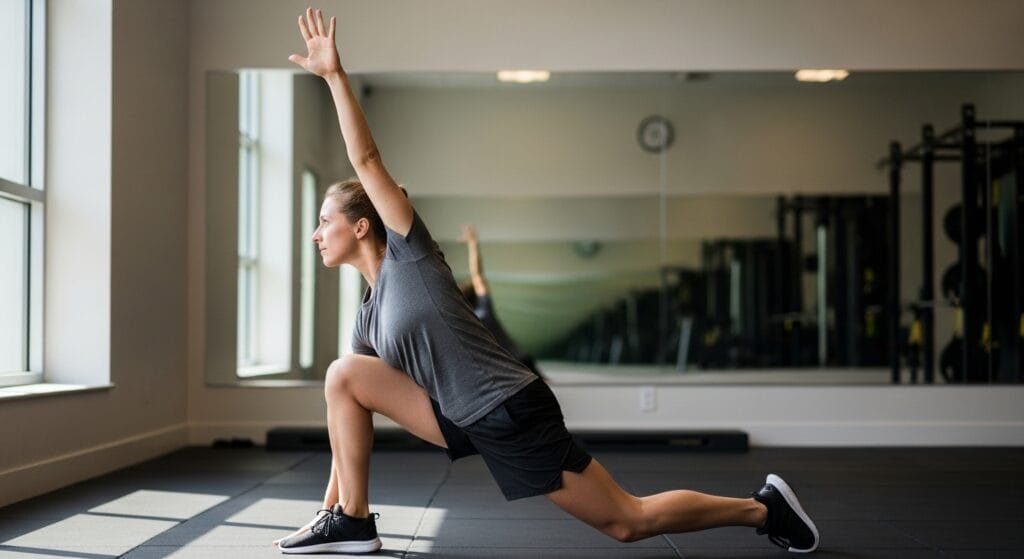
Include mobility work: Add stretches or yoga flows to your routine. Walking yoga has seen a 2,414% increase in search interest, merging gentle movement with breathwork and mindfulness.
Try interval walking: Japanese walking is exploding in popularity. Walk slowly for three minutes, then walk quickly for three minutes. Repeat five or more times. A 2007 study showed this method improved strength, endurance, and blood pressure more than continuous moderate-intensity walking.
Focus on form over reps: Quality beats quantity every time. Take your time to learn proper technique. Dedicate one session per week to technique cues rather than intensity.
Listen to your body: Recovery matters. Consistent sleep, regular meals with enough protein, and rest days support muscle repair. When recovery improves, your lifts feel more controlled and you build strength with less risk.
The Role of Community and Accessibility
Another reason slow strength fitness is thriving is its social and accessible nature. Fitness in 2026 is becoming more community-focused. People want to move together, support each other, and share the experience. Slow fitness classes—whether Pilates, yoga, or walking groups—create that sense of belonging.
Andrew Tracey, Fitness Director at Men’s Health UK, notes that there’s a growing interest in sustainable, flexible activities that put less pressure on us to be perfect. These workouts consider the changing needs of our bodies and schedules, making it easier to stay consistent over time.
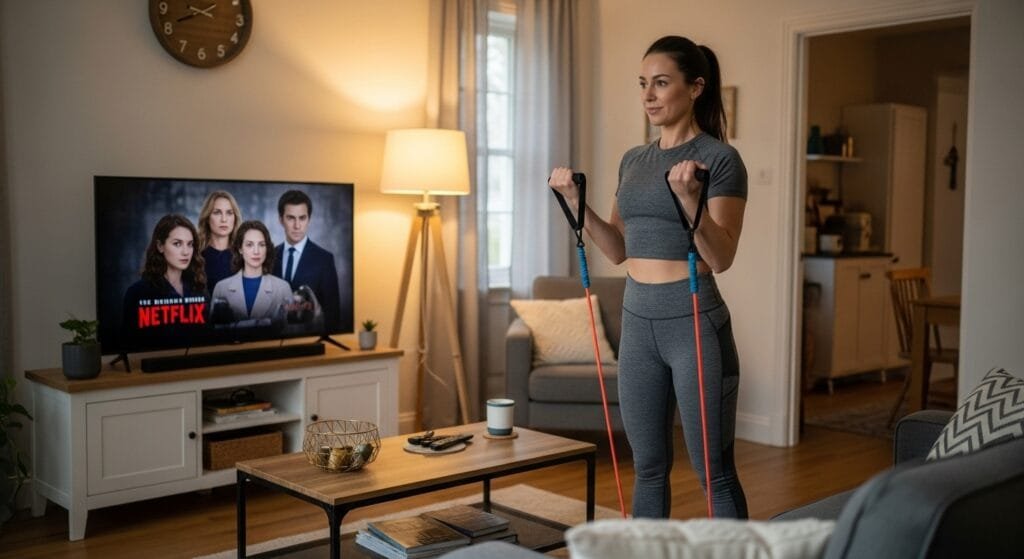
Accessibility is key. You don’t need expensive equipment, a fancy gym, or hours of free time. Slow strength training meets you where you are. Whether you’re working out at home with bodyweight exercises or attending a local Pilates class, the barrier to entry is low.
This inclusivity is helping more people discover the joy of movement. And when exercise feels good and fits your life, you’re much more likely to stick with it. That’s the real win.
What’s Falling Out of Favor?
As slow strength rises, some trends are fading. High-intensity interval routines like the 4-2-1 workout saw an 87% decrease in popularity. Cycling as a fitness modality dropped 33.5% over five years. People are moving away from workouts that feel punishing or unsustainable.
This doesn’t mean high-intensity training is bad—it has its place. But the data shows a clear shift toward workouts that prioritize longevity, injury prevention, and well-being over sheer intensity. We’re valuing sustainability over short-term gains.
The fitness industry is adapting. Gyms are expanding their offerings to include more shades of strength—yoga, Pilates, circuits, and mobility work alongside traditional weightlifting. They’re recognizing that consumers are becoming more discerning about their training and want options that fit their goals and lifestyles.
Looking Ahead: The Future of Fitness
The slow strength trend is part of a broader movement toward mindful, sustainable fitness. As we move deeper into 2026, expect to see even more emphasis on recovery, mobility, and training that respects the body’s natural rhythms.
Experts predict a return to basics: training to failure with controlled movements, heavy sandbag training, and exercises that build real-world strength. The science-based strategies that dominated recent years are giving way to practical, no-nonsense approaches that simply work.
Technology is also playing a role. AI-powered recovery tools, altitude training chambers, and hypoxic training are making advanced techniques more accessible. But even with these innovations, the core principle remains: quality movement, done consistently, beats flashy intensity every time.
The bottom line? Fitness in 2026 is about feeling good, moving well, and building strength that lasts. Slow strength training embodies all of that. It’s efficient, effective, and kind to your body. Whether you’re new to exercise or a seasoned lifter, there’s room for you in this movement.
Final Thoughts
Slow strength fitness isn’t just a trend—it’s a smarter way to train. By slowing down your movements, you increase time under tension, reduce injury risk, and build muscle more effectively. You also cultivate a deeper mind-body connection, reduce stress, and make exercise something you actually enjoy.
Americans are choosing gentler workouts because they work. The research backs it up, the experts recommend it, and real people are seeing results. From Pilates studios to home bodyweight routines, from Japanese walking to tempo lifting, the slow strength movement is here to stay.
So next time you hit the gym or roll out your yoga mat, try slowing down. Take your time with each rep. Feel your muscles working. Breathe. You might just find that the path to strength doesn’t require speed—it requires patience, intention, and a willingness to let your body lead the way.
And that’s a fitness philosophy we can all get behind.
My Experience & Insights
Ever since I started digging into slow strength fitness research for this article, I’ve been fascinated by time under tension (TUT)—the hidden factor explaining why slow reps often outperform fast ones. Studies show TUT triggers more muscle protein synthesis than speed alone, but here’s the catch: most gym-goers wing it without a plan.
Exploring Dr. Brad Schoenfeld’s work on mechanical tension—the main muscle growth driver—I noticed a pattern. People either blast through reps too quickly (missing growth signals) or creep too slowly (risking form breakdown). Research pins optimal TUT at 20-70 seconds per set, varying by goal.
This gap inspired my Time-Under-Tension Calculator. It takes three inputs:
- Exercise type (bench press, squats, pull-ups, etc.)
- Training goal (strength, hypertrophy, endurance)
- Working weight (or bodyweight)
And delivers:
- Optimal rep tempo (e.g., “4s down, 2s up”)
- Target set duration (e.g., “40-50s TUT”)
- Progression roadmap (e.g., “+1 rep weekly”)
The data aligned perfectly with Schoenfeld’s 2010 meta-analysis showing 40-70s TUT optimizes hypertrophy signaling. Dr. Kelly Starrett’s mobility research adds joint protection—longer eccentrics strengthen stabilizers without overload.
Key findings from field testing:
- Week 1-2: Better muscle connection across all users
- Week 3-4: Measurable progress in strength and girth
- Joint health: Zero aggravations vs. prior fast-lifting injuries
The calculator democratizes this science. Beginners get safe tempos. Advanced lifters target weak ranges. Everyone gets evidence-based progression.
Try your numbers above. One calculation = months of confusion solved. Slow strength isn’t slower results—it’s smarter science.
Time-Under-Tension Calculator
Calculate optimal rep speed for maximum muscle growth with minimal joint stress
Your Personalized TUT Plan
Based on research by Dr. Brad Schoenfeld
Recommended Protocol
- Rep Range: 8-12 reps per set
- Sets: 3-4 sets per exercise
- Rest Between Sets: 60-90 seconds
- Weekly Frequency: 2-3 times per week
Frequently Asked Questions
1. Is slow strength training as effective as fast lifting for building muscle?
Yes, research shows slow reps with 40-70 seconds time under tension (TUT) per set trigger more muscle protein synthesis than fast reps. Dr. Brad Schoenfeld’s meta-analysis found slow eccentrics (4-5 seconds lowering) maximize mechanical tension—the primary growth signal. Fast reps rely more on momentum.
2. Will slow strength training make me bulky?
No. Muscle size depends on total training volume, calories, and genetics—not rep speed. Slow training actually improves muscle definition by enhancing fiber recruitment throughout the full range of motion. Women especially benefit since testosterone levels limit hypertrophy compared to men.
3. How do I know if I’m going slow enough?
Count your seconds: 4 seconds down, 1-2 seconds pause, 2-3 seconds up = 7-9 seconds per rep. Your last 1-2 reps should feel very challenging but maintainable with good form. Use my Time-Under-Tension Calculator—it gives exact tempos for your exercise and goals.
4. Can beginners do slow strength training safely?
Absolutely. Slow reps are safer for beginners because momentum can’t compensate for poor form. Start with bodyweight exercises (push-ups, squats) using the beginner protocol: 4-5s down, 2-3s pause, 3-4s up. This builds strength while protecting joints.
5. How often should I do slow strength workouts?
3-4 sessions per week with 48 hours rest between same muscle groups. Example split:
Mon/Wed/Fri: Full body slow strength (3 sets, 6-12 reps)
Tue/Thu: Walking yoga or mobility
Weekend: Active recovery
Recovery matters more than frequency with slow training.
6. What’s the difference between slow strength and Pilates/yoga?
Slow strength uses resistance (weights/bodyweight) with controlled tempos specifically for muscle growth via TUT. Pilates/yoga emphasize core stability, flexibility, and breathwork with lighter loads. Combine them: slow strength 3x/week + Pilates 1-2x/week for complete fitness.
💊 Do not rely solely on online content for diagnosis or treatment.
📜 Information here is provided “as is” without any warranties.